1101 W. Sanilac Rd. Caro, MI 48723
989.673.6690
Choosing the best laser welder in 2026 is not simply a matter of buying the highest-powered machine. The right choice depends on the metals you join, their thickness, your production volume, and the finish you need. A compact handheld unit may suit occasional stainless-steel repairs, while repetitive work can call for automated controls, stable cooling, and local technical support. Small details matter. A cable that cannot reach the workbench or a confusing interface can slow an otherwise capable machine.
Industry forecasts suggest continued interest in laser welding, but market growth does not identify the best machine for every buyer. Fortune Business Insights estimated the global laser welding market at USD 2.79 billion in 2023 and projected USD 5.57 billion by 2032. Its report also notes that market estimates depend on the technologies and applications included. Treat those figures as context, not a purchasing guarantee. In this guide, we compare laser welders by practical criteria: output and control, compatible materials, cooling, safety features, warranty, and service availability. We also distinguish specifications that affect daily work from impressive numbers that may not match your needs. I would be cautious about any “best” list that ignores operator training or realistic workload. Those points are easy to overlook. The goal is a clearer, evidence-informed shortlist, not a one-size-fits-all recommendation.
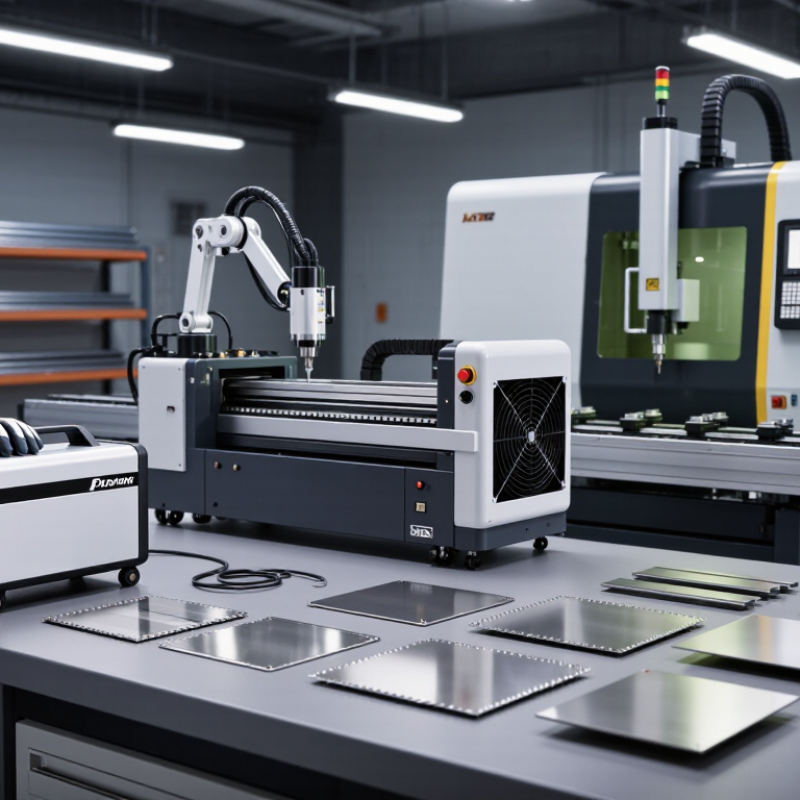
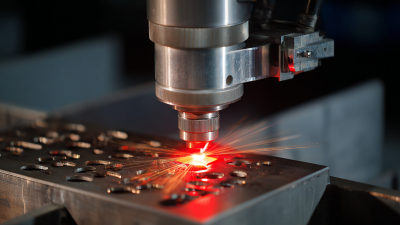
A laser welder directs concentrated light onto a joint, heating the metal until its edges melt and form a small weld pool. As the pool cools, it joins the pieces. The heat stays close to the seam, so surrounding areas often experience less distortion than with broader heat sources. Clean surfaces and a close fit still matter. Gaps can weaken a weld or make the process less predictable.
Laser welders are used for sheet-metal fabrication, appliance components, vehicle parts, medical equipment, and precision electronics enclosures. A thin stainless-steel panel may need a neat seam with little finishing, while a thicker assembly may require different power, speed, or joint preparation. Some systems are designed for automated production; others are handheld for varied repair and fabrication tasks. The right setup depends on material, thickness, seam access, and daily workload—not a single headline power rating.
One point buyers can underestimate is operator training. A fast process is not automatically an easy one. Reflective metals, inconsistent gaps, and changing travel speed can affect results. Proper guarding, suitable eye protection, and fume extraction are essential. Before choosing a machine in 2026, compare sample welds made on your own materials and inspect both the surface and the joint. A shiny bead can still hide a weak connection.
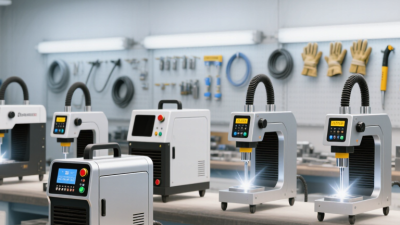
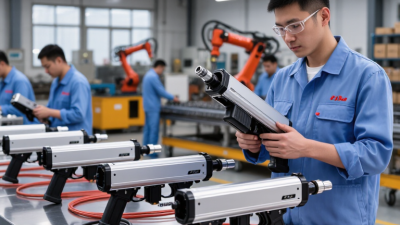
Laser welders in 2026 generally fall into two useful categories: handheld systems and fixed, automated machines. Handheld units pair a laser source with a gun-shaped welding head. They suit varied jobs, such as joining thin stainless panels or repairing small metal parts. Their portability is appealing, but steady results still depend on operator control, joint fit, and setup. A light-looking seam is not proof of a sound weld.
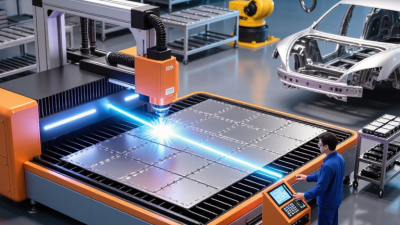
Fixed systems hold the workpiece or welding head in place, often with programmed motion. They can repeat a path accurately across many similar parts. Some include fixtures, cameras, or robotic arms; these additions matter only when the production task needs them. Laser sources also differ. Continuous-wave lasers deliver a steady beam, while pulsed lasers send short bursts that can help limit heat in delicate work. The best choice depends on metal type, thickness, seam design, and required output. I would be cautious about choosing by power rating alone. It leaves out too much.
Buyers should also compare the complete setup, not just the laser source. Check guarding, fume extraction, compatible materials, service support, and training requirements. Ask for a sample weld using your actual material and joint. A supplier’s demonstration may look tidy, yet your parts can behave differently. That gap deserves attention.
The best laser welder is the one that reliably handles your actual joints, not the one with the biggest power rating. Match power and spot size to the material, thickness, and joint gap you expect to weld. Test samples with real parts. Look closely for porosity, burn-through, and inconsistent penetration. A wide adjustment range can help with varied jobs, but it cannot compensate for poor fit-up. Check duty cycle, cooling capacity, and electrical requirements against your planned shift length and workspace.
Controls matter too. Clear parameter displays, repeatable settings, and accessible maintenance reduce avoidable setup errors. If automation is planned, check communication and fixture compatibility before purchase. The International Federation of Robotics reported 541,302 industrial robot installations worldwide in 2023, a useful signal that automated production is substantial; it does not mean every shop needs robotic welding. Safety deserves equal scrutiny: verify enclosure design, interlocks, extraction, and operator training for your application. Grand View Research estimated the laser welding market at $2.7 billion in 2023, but market growth alone cannot identify the right machine. I’d be cautious about choosing from a brochure. A polished demo may not match your materials, tolerances, or operators. Ask for a trial using your own workpieces.
For a 2026 purchase, match the laser welder to the material and joint, not just its advertised power. Stainless steel, carbon steel, aluminum, and copper behave differently under concentrated heat. Reflective metals may need a process and setup designed to manage reflected energy. Fit matters. A narrow, even gap is easier to weld consistently than a loose, uneven seam.
For thin sheet and delicate assemblies, compare pulse control, spot size, and heat input. These affect burn-through, distortion, and the appearance of the finished bead. For thicker parts or longer seams, check whether the machine can maintain stable output during sustained use. A higher power rating alone does not guarantee a better result. Test sample pieces that match your actual material thickness and joint design. Small details count.
Also compare beam delivery, operator controls, maintenance access, and support for setup and training. Ask how the machine handles changes in material thickness, and whether its settings can be adjusted repeatably. That assumption can fail: a machine that performs well on flat coupons may struggle with tight corners or inconsistent fit-up. Check the safety enclosure, interlocks, and fume extraction requirements for your workspace. These are practical purchase criteria, not optional extras.
What Is the Best Laser Welder to Buy in 2026?
The best laser welder is the one that suits your materials, workload, and workspace—not simply the one with the highest power rating. List the metals and thicknesses you expect to weld, then compare those needs with the machine’s documented capabilities. A unit for thin stainless-steel panels may not be suitable for frequent work on thicker parts. Check the recommended duty cycle, too. Downtime matters.
Measure your work area before comparing prices. Leave room for the machine, workpieces, cables, and safe operator movement. Consider electrical supply, ventilation, and whether the equipment’s enclosure and safety features fit your setup. A compact shop may need a different configuration than a production floor. Measure twice. It sounds basic, but skipped measurements can turn a good purchase into an awkward fit.
Set a total budget, not just a machine budget. Include installation, compatible accessories, operator training, maintenance, and any required workspace improvements. Ask suppliers for written specifications, warranty terms, service availability, and a demonstration on representative material. Compare the finished weld, setup time, and ease of adjustment. A polished sample may not reflect daily use. I would also leave some budget uncommitted; real workspace needs can be easy to underestimate.
Compare common laser output power configurations when balancing welding needs, budget, and workspace.
These are representative power configurations, not a ranking or a guarantee of material capacity. Actual results depend on material, thickness, joint design, travel speed, and machine setup. Compare total cost, safety requirements, and the machine’s footprint with your available workspace.