| Laser source type |
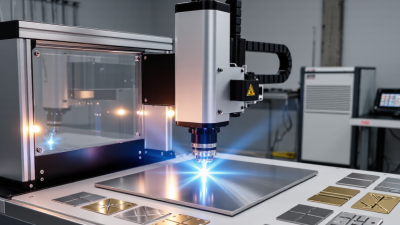
Continuous-wave ytterbium-doped fiber laser; common industrial wavelength approximately 1,030–1,080 nm, often near 1,070 nm |
Near-infrared radiation is invisible to the human eye and can create serious eye and skin hazards at high power |
Request the source wavelength, maximum optical output, beam-delivery data, and laser safety documentation |
| Recommended power band by application |
1–3 kW: thin sheet and general fabrication; 4–6 kW: medium-gauge production; 8–12 kW: higher throughput and thicker mild steel, subject to process validation |
Higher power increases the importance of engineered enclosure, interlocking, beam termination, and reflected-beam control |
Compare verified cutting trials rather than relying only on rated power or maximum advertised thickness |
| Typical cutting envelope |
Common work areas include approximately 1,500 × 3,000 mm, 2,000 × 4,000 mm, and 2,000 × 6,000 mm |
The enclosure must prevent hazardous accessible radiation throughout the full travel range and during foreseeable misalignment |
Confirm usable travel, loading access, door coverage, panel joints, apertures, and maintenance openings |
| Product laser class |
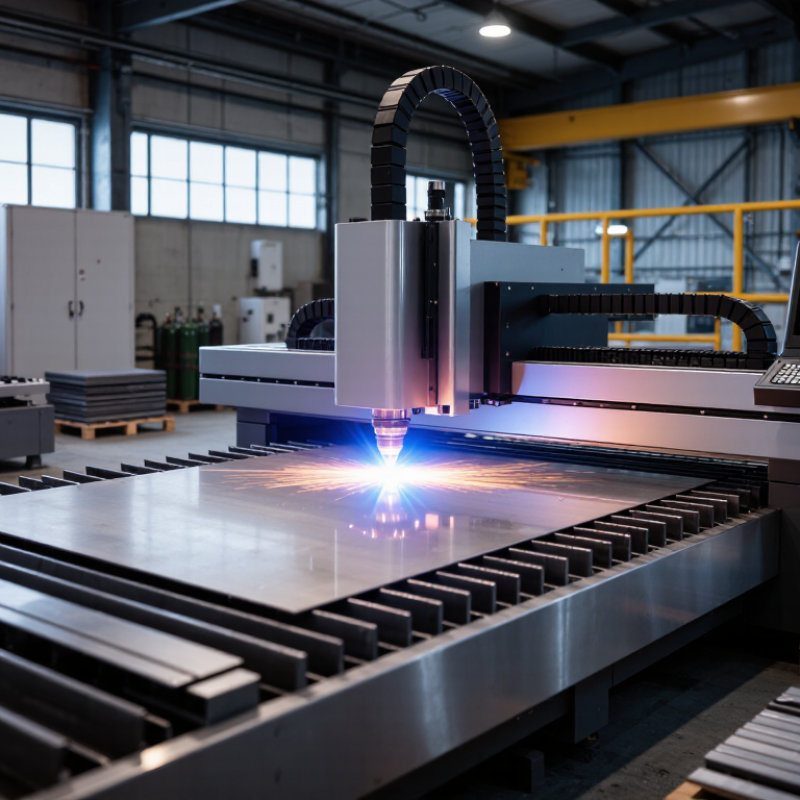
A fully enclosed production machine is commonly designed as a Class 1 laser product during normal operation |
Class 1 means accessible emissions are within the applicable Class 1 accessible emission limits under reasonably foreseeable use; it does not mean the internal source is low power |
Check the final classification, accessible-emission assessment, labels, user instructions, and conformity documentation |
| Internal laser hazard |
The enclosed cutting source and open-beam areas may contain a Class 4 laser hazard when guards are opened or safety functions are defeated |
Class 4 hazards can include direct and reflected-beam exposure, skin injury, fire risk, and hazardous fumes or process emissions |
Verify controlled-access procedures, service-mode controls, authorized personnel requirements, and lockout/tagout provisions |
| Fixed machine guarding |
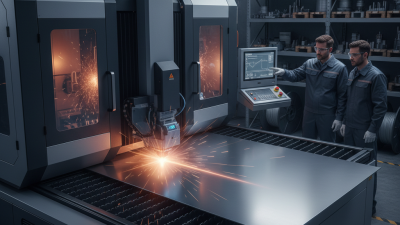
Opaque or suitably attenuating panels, roof sections, doors, and sealed joints around the cutting zone |
Guards should prevent access to hazardous radiation and withstand foreseeable mechanical, thermal, and process conditions |
Ask for guard material, attenuation test evidence, viewing-area specifications, and inspection criteria |
| Access doors and interlocks |
Interlocked doors or panels should stop hazardous laser emission when opened, with protection against easy defeat |
Safety-related control functions should be validated for the required performance level or safety integrity level |
Review interlock monitoring, restart prevention, fault response, coded or trapped-key arrangements, and validation records |
| Viewing windows |
Windows should be specifically rated for the laser wavelength, power, exposure duration, and foreseeable reflected radiation |
Ordinary transparent glass or plastic must not be assumed to provide laser protection |
Request wavelength-specific optical density or attenuation data and verify that the rating covers the complete operating range |
| Beam delivery and termination |
Protected fiber routing, enclosed beam path where practicable, secure optics, and suitable beam dumps or absorbers |
A credible single fault should not create uncontrolled accessible radiation where reasonably foreseeable |
Inspect cable protection, bend-radius control, beam-stop condition, optics retention, and maintenance access |
| Emergency stop and safe shutdown |
Accessible emergency-stop devices, controlled laser shutdown, motion stopping, and prevention of automatic restart after reset |
Emergency stopping is part of the overall machinery risk-reduction design and does not replace guarding or interlocks |
Test each stop device, reset sequence, restart behavior, and fault indication during acceptance |
| Laser warning indicators |
Status lamps or equivalent indicators for power-on, emission, fault, access-door state, and service mode |
Indicators and labels should clearly communicate laser status and residual hazards at access points |
Confirm warning symbols, wording, location, visibility, language, and consistency with the risk assessment |
| Fume and fire protection |
Downdraft or side-draft extraction, spark and slag management, suitable fire detection or suppression where the risk assessment requires it |
Laser safety does not by itself address combustion products, dust, fumes, fire, or material-specific hazards |
Evaluate extraction capacity, filter suitability, ducting, maintenance access, combustible materials, and local occupational limits |
| Electrical and control safety |
Protective bonding, overcurrent protection, guarded electrical panels, documented safety circuits, and verified control functions |
IEC 60204-1, ISO 13849-1, or IEC 62061 may be relevant depending on the machine design and market requirements |
Request circuit diagrams, safety-function calculations, validation results, and electrical test records |
| Applicable laser-processing standard |
Machine design should consider ISO 11553-1 for laser processing machines, together with IEC 60825-1 for laser-product classification |
Standards address different aspects: laser classification, machine hazards, protective measures, information, and verification |
Identify the exact edition and national adoption used for the conformity assessment |
| Global conformity planning |
Prepare technical file, risk assessment, declaration or certification documents, manuals, labels, and local-language safety information |
IEC standards are international references; legal obligations vary by jurisdiction and may include machinery, electrical, EMC, and workplace rules |
Confirm requirements for the destination, importer, installation site, electrical supply, and authorized service personnel |
| Best overall buyer profile |
Enclosed fiber laser cutter with verified Class 1 operation in normal use, wavelength-rated viewing protection, monitored interlocks, safe shutdown, extraction, and complete documentation |
Safety performance depends on the complete integrated machine, not the laser source rating alone |
Make documented safety compliance, acceptance testing, training, spare parts, and service support conditions of purchase |