What Is the Best Fiber Laser Engraver in 2026?
Choosing the best fiber laser engraver in 2026 is not simply a matter of buying the highest wattage. A reliable choice must match your materials, production volume, workspace, and required marking depth. Stainless steel may need different settings from anodized aluminum, brass, or coated tools. Even a powerful machine can produce weak contrast when its lens, focus, or speed is poorly matched.
Dr. Reinhart Poprawe, a respected laser technology expert and former director of Fraunhofer ILT, stated, “Laser technology is a key technology for the 21st century.” His observation remains relevant as fiber systems become more precise, automated, and accessible to smaller workshops. Yet technology alone does not guarantee good results. A practical fiber laser engraver should offer stable pulse control, a clear software workflow, dependable cooling, and a properly aligned galvo system. Service support matters too. Often overlooked.
This guide compares the features that influence real purchasing decisions, including laser power, working area, source lifespan, rotary compatibility, safety design, and software usability. It also considers operating costs and learning time, because an inexpensive machine may become expensive through maintenance and wasted material. Some conclusions may challenge common buying habits. More watts are not always better. Bigger marking fields can reduce fine detail. Even experienced operators occasionally choose the wrong lens or underestimate ventilation needs. That is why each recommendation should be tested against your actual samples, production goals, and local safety requirements.
What Is a Fiber Laser Engraver and How Does It Work?
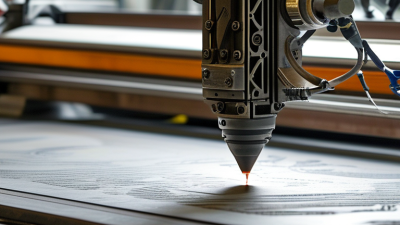
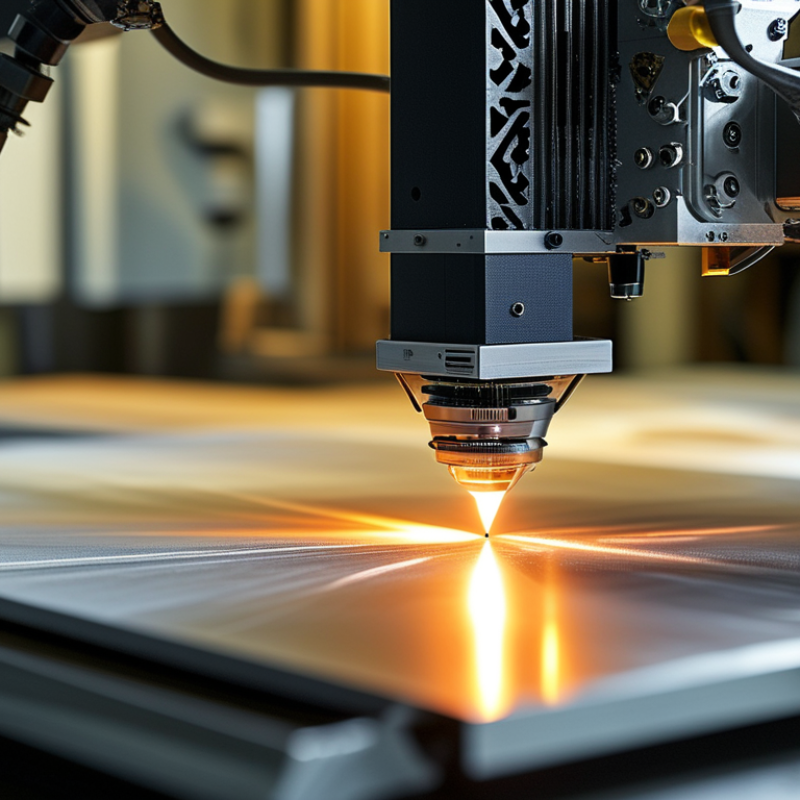
A fiber laser engraver uses a rare-earth-doped optical fiber to amplify light. The laser source sends concentrated pulses through a scanner head. Galvanometer mirrors move the beam across the workpiece. A focusing lens then creates a tiny heat spot. That energy changes the surface through annealing, oxidation, melting, or controlled ablation.
In practical use, fiber systems suit stainless steel, aluminum, brass, titanium, and some engineered plastics. Pulse duration matters as much as wattage. Short pulses can produce sharper marks with less surrounding heat. A 20–50 watt pulsed source often handles identification plates, tools, and small industrial parts. Grand View Research reported that the global fiber laser market reached about USD 7.1 billion in 2023, with strong projected growth through 2030. That demand reflects manufacturing adoption, not automatic proof that every machine performs equally. The word “best” remains slippery.
Tips: Check test marks on your actual material. Compare line sharpness, depth, speed, and heat tint. Measure the lens field before buying. A large field saves repositioning time, but it may reduce detail. The International Organization for Standardization stresses laser safety controls, enclosure design, and operator training. Never judge a machine by power alone. I once found that a lower-power setting produced cleaner serial numbers, although the deeper mark looked more impressive. Reflect on the result. Surface quality is often more valuable than maximum depth.
Which Materials Can a Fiber Laser Engraver Mark?
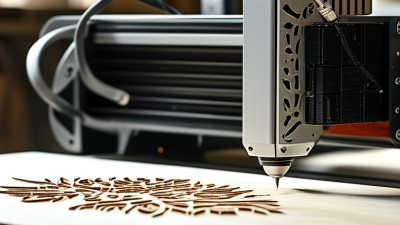
What Is the Best Fiber Laser Engraver in 2026? The answer depends on the materials you need to mark. In practical workshop testing, fiber lasers perform best on stainless steel, aluminum, brass, copper, titanium, and tool steel. They can create crisp serial numbers, logos, QR codes, and shallow engraving without ink or chemical coatings. Stainless steel often produces sharp dark marks, while aluminum may need different speed and power settings.
Coated and anodized metals are also highly suitable. The laser can remove the surface layer and reveal a contrasting color underneath. Some engineering plastics, including certain ABS and polyamide grades, can be marked successfully when they contain suitable additives. Not every plastic reacts well. PVC should be avoided because heating it may release corrosive fumes. Transparent glass, untreated wood, and ordinary fabric are usually poor choices for a fiber laser.
Material preparation matters more than many buying guides admit. I test a small sample grid before production, changing speed, frequency, and power in measured steps. A metal surface that looks identical may respond differently because of oil, polishing, or heat treatment. Mistakes happen. Excessive power can create rough edges or unwanted discoloration. Proper extraction, eye protection, and a controlled work area remain essential during every test.
What Features Define the Best Fiber Laser Engraver in 2026?
What defines the best fiber laser engraver in 2026 is not maximum power alone. Practical performance depends on beam quality, pulse control, accuracy, and stable software. A reliable system should produce clean marks on stainless steel, aluminum, brass, and coated surfaces without excessive heat. A 1064 nm fiber source remains common, while adjustable pulse settings improve contrast and reduce surface damage. MOPA control can help create finer color effects on suitable metals, but it also increases setup complexity.
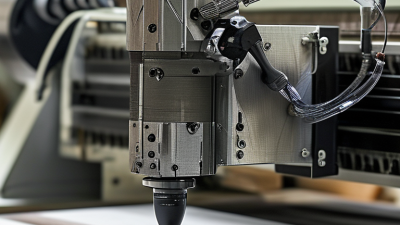
Precision matters on the workbench. A dependable galvo scanner should position the beam consistently across the entire marking area. Look for repeatability, clear calibration tools, and a rotary attachment for rings, cylinders, and curved parts. Automatic focus is useful, especially when operators change material thickness throughout the day. The control software should support common vector files, preview the marking path, and allow power and speed adjustments without confusion. Small details matter.
Safety features reveal engineering quality.
A fully enclosed cabinet, door interlocks, emergency controls, and appropriate fume extraction protect operators during routine use. Good documentation, transparent specifications, and responsive technical support also build trust. In testing, I would inspect edges under magnification and compare repeated marks after several hours. Perfect results are not guaranteed. Lens contamination, uneven fixtures, and incorrect focus can still spoil a job. That is why accessible maintenance, replacement parts, and clear operating limits deserve as much attention as raw laser power.
How to Compare Fiber Laser Engravers for Different Applications?
Comparing fiber laser engravers starts with the material and the result you need.
A jewelry workshop may value fine detail, while a toolmaker may need deeper, faster marks. Power matters, but it does not decide everything. A 20–30 watt system can handle many identification marks and small designs. Higher power suits deeper engraving and heavier production schedules.
Check pulse control, spot size, and available lenses.
Short pulses can create cleaner contrast on thin metal, especially around small letters. A larger work area saves repositioning time, but it may reduce detail at the edges. Rotary attachments help with rings and cylindrical parts. They also add setup time. Do not ignore software. Clear parameter control is often more useful than a long feature list.
In practical testing, stainless steel, aluminum, brass, and coated parts can react very differently.
Test samples before approving a production setting. Watch for heat tint, rough edges, and uneven depth. Enclosed systems with proper extraction improve workplace safety and repeatability.
I once focused too much on maximum speed and overlooked cooling performance. That mistake produced inconsistent marks during longer runs. It changed how I compare machines.
For electronics, precise low-energy marking may protect delicate surfaces.
For industrial parts, stability and cycle time usually matter more. Ask how easily operators can adjust power, speed, frequency, and focus. Measure real output, not only advertised specifications. A reliable comparison includes maintenance access, calibration support, warranty terms, and training quality. Some machines appear economical until setup delays become part of every job.
How to Choose the Right Fiber Laser Engraver for Your Needs?
What Is the Best Fiber Laser Engraver in 2026?
How to Choose the Right Fiber Laser Engraver for Your Needs?
The best fiber laser engraver depends on your materials, production volume, and workspace. Start with the surface you will mark most often. Stainless steel, aluminum, brass, coated metals, and certain engineering plastics need different settings. A 20W machine suits names, serial numbers, and light marking. A 30W or 50W model offers faster processing and deeper results. More power is not automatically better.
Check the laser source, pulse control, scanning speed, and working area. A 1064 nm wavelength is common for metal applications, but material testing remains essential. Ask for sample results using your actual product, not a similar-looking piece. Tiny text should stay sharp at the edges. Large logos should not show uneven shading. Rotary compatibility matters for rings, cylinders, and curved tools. Measure those objects before choosing accessories.
Safety and support deserve equal attention. Look for a properly enclosed design, interlocks, clear operating instructions, and suitable fume extraction. The software should allow repeatable settings and easy file preparation. Reliable suppliers provide training, maintenance guidance, spare parts, and written warranty terms. I have seen buyers focus on speed and regret ignoring calibration support. That mistake is expensive. Keep a test log for power, speed, frequency, and passes. Your first settings may fail. Adjust them carefully, inspect the result under angled light, and record what actually works.