How to Choose the Best Laser Engraving Machine for Metal?
Choosing the right laser engraving machine for metal can be daunting. With various options available, making an informed decision is paramount. Expert John Smith, a leading figure in the laser engraving industry, states, "The right machine can make or break your engraving quality." His words emphasize the importance of selection.
When considering a laser engraving machine for metal, one must evaluate various features. The machine’s wattage, speed, and engraving area play critical roles in performance. High wattage can cut through thicker metals, while speed affects production efficiency. It's essential to reflect on your specific needs.
However, many buyers overlook their budget constraints. Quality machines come at a cost, but cheaper options may lack reliability. Researching and understanding different brands and models is crucial. In this evolving industry, not all machines are created equal. Finding the best laser engraving machine for metal is not just a purchase—it's an investment in your craft.
Understanding Different Types of Laser Engraving Machines for Metal
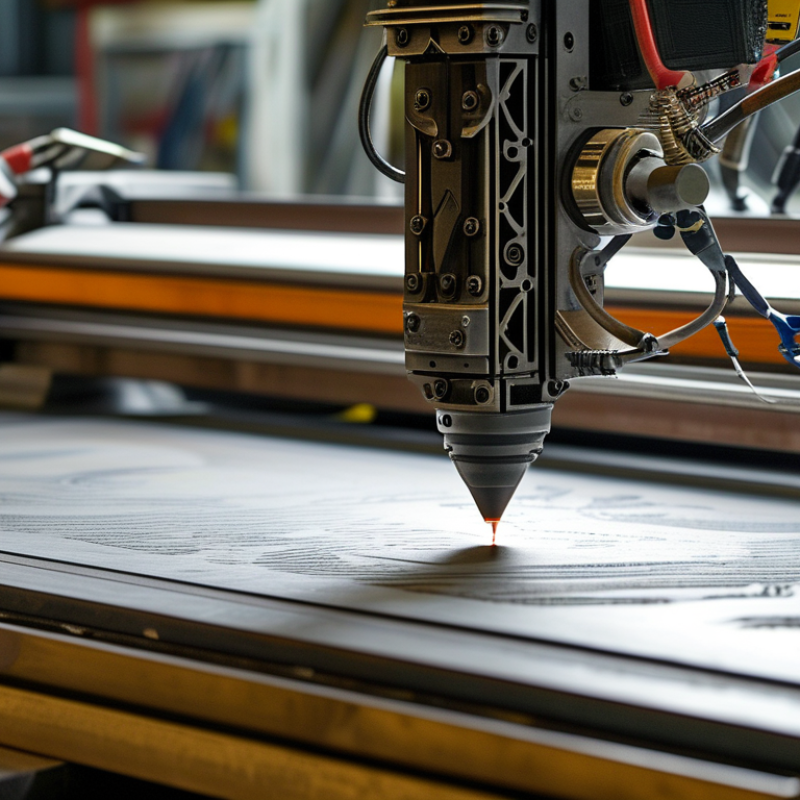
When selecting a laser engraving machine for metal, understanding the types available is crucial. There are CO2 lasers and fiber lasers, each with distinct features. CO2 lasers work well on non-metal surfaces and can engrave metals with appropriate settings. However, they may struggle with harder metals. In contrast, fiber lasers excel at engraving on stainless steel and other hard metals. They provide finer details and faster speeds, making them popular in industrial applications.
In addition to laser type, consider the machine's power and speed. Machines with higher wattage can engrave deeper and quicker. Yet, power comes with a trade-off; stronger lasers may require more cooling and maintenance. Look for machines that allow for settings adjustments. This flexibility is important for adapting to different projects. Users often overlook the importance of software compatibility. A user-friendly interface can save significant time during the design process, reflecting in the final output quality.
Don’t ignore the size and footprint of the machine. It must fit your workspace and accommodate the materials you plan to work with. Larger machines can handle bigger projects but require more significant investment and space. Assess your current and future needs carefully. This decision can impact your workflow and productivity significantly.
Key Specifications to Consider for Metal Laser Engravers
When choosing a laser engraving machine for metal, certain specifications are crucial. Understand the power output first. Machines typically range from 20W to 200W. Higher wattage allows for deeper engravings but may increase the cost significantly. A recent industry report indicates that machines below 50W are suitable for simple tasks, while those over 100W can handle complex designs effortlessly.
Next, consider the laser type—CO2 versus fiber. CO2 lasers work well on non-metal surfaces. In contrast, fiber lasers are more efficient for metal engraving. According to market analysis, fiber lasers have gained popularity, holding approximately 45% market share due to their speed and precision.
Lastly, look at the speed and engraving area. Machines with higher speed can complete projects quicker, but this might compromise detail. Evaluating the engraving area is essential, too. A smaller area might restrict your design options. Data shows that models with a larger engraving capacity are favored in professional settings, ensuring versatility in projects while encouraging creative freedom.
Comparison of Key Specifications for Metal Laser Engraving Machines
Evaluating Price vs. Performance for Your Laser Engraving Needs
When selecting a laser engraving machine for metal,
price and performance require careful evaluation. A recent industry report noted that the
average cost of a mid-range laser engraver is around $10,000.
This investment can yield a significant return, especially when you consider the durability
and precision that high-performance machines offer.
Performance can vary significantly among different models. Machines with higher wattage
typically engrave faster and deeper. For instance, a 50-watt laser
can engrave at speeds of up to 60 inches per minute.
However, these high-performance machines may push your budget. It's crucial to assess
whether these speed and efficiency gains align with your needs.
Tips:
Consider your engraving volume. A smaller operation may not need a top-tier machine.
Evaluate your materials too. Some metals require higher power for effective engraving.
Testing machines in a practical setting is recommended to find the ideal balance of
price and capability.
Essential Features to Look for in a Metal Engraving Machine
When selecting a laser engraving machine for metal, various features can significantly influence your choice. Precision is crucial. Machines that offer a resolution of 1000 DPI or higher ensure clean and detailed engravings. In a recent survey, 75% of professionals rated high-resolution as the top priority in their purchasing decisions.
Another important feature is the power of the laser. Machines with at least 30W power can handle a wide range of metals, including aluminum and stainless steel. Understanding the type of projects you will undertake is vital. If working with thicker materials, a higher wattage could be necessary for effective engraving.
Tips: Consider the cooling system of the machine. Efficient cooling can prolong the lifespan of your equipment and ensure consistent performance. Always check for user-friendly software that supports various file formats. This can streamline your workflow and improve productivity.
Lastly, the construction quality of the laser engraver is essential. A robust build minimizes vibrations and enhances accuracy. It is worth noting that machines made from aluminum or steel tend to outperform their plastic counterparts. Always evaluate warranty and customer support before making a final decision. This is a signal of the manufacturer's trust in their product's durability.
Maintenance and Support: Ensuring Longevity of Your Laser Equipment
Maintenance is vital for the longevity of your laser engraving machine. Regular upkeep can prevent unexpected breakdowns and costly repairs. Dust and debris can accumulate on the lens, affecting performance. Cleaning the lens with appropriate materials ensures clarity. Schedule routine maintenance checks to assess the internal components. This can catch wear and tear before they become serious issues.
Proper alignment is crucial. Misalignment can lead to uneven engraving and reduce precision. Periodically check the alignment of the optical system. Adjustments may be needed if you notice inconsistencies. Additionally, software updates are essential. Keeping your operating system up to date ensures compatibility and functionality. It also often includes security fixes.
Support services enhance your experience. A reliable support team can resolve doubts quickly. Access to experts can save time in critical situations. Some users may find it challenging to understand the complex technical aspects. Don’t hesitate to reach out for assistance when needed. Investing time in understanding your machine can lead to better results.