1101 W. Sanilac Rd. Caro, MI 48723
989.673.6690
Choosing the best engraving machine from China requires more than comparing prices online. It requires practical judgment.
Chinese manufacturers offer desktop engravers, fiber laser systems, CO2 machines, and CNC routers. Each category serves different materials and production goals. A fiber laser may mark stainless steel quickly, while a CO2 model handles acrylic, wood, and leather more effectively. The right choice depends on workload, material thickness, accuracy, and available workshop space.
Neil Gershenfeld, director of MIT’s Center for Bits and Atoms, said, “What the personal computer did for information, digital fabrication will do for physical objects.” His observation helps explain why an engraving machine should be evaluated as a complete production tool, not merely a metal frame with a laser head. Buyers should inspect guide rails, motor performance, controller compatibility, cooling systems, software support, and spare-part availability. Ask for test videos using your actual material. Stainless steel samples can reveal uneven marking, excessive heat, or weak contrast.
Details matter.
A reliable supplier should provide machine specifications, safety documentation, installation guidance, and responsive technical support. Factory audits, video inspections, and sample testing can reduce uncertainty before payment. However, no checklist removes every risk. A lower-cost machine may appear attractive, yet unstable software or delayed parts can increase operating costs. I have also seen buyers overvalue maximum power and overlook repeatability. That is an easy mistake.
This guide compares leading Chinese engraving machine options through performance, build quality, usability, maintenance, and after-sales reliability. The goal is not to name one universal winner. It is to identify the machine that fits your materials, production volume, budget, and tolerance for compromise.
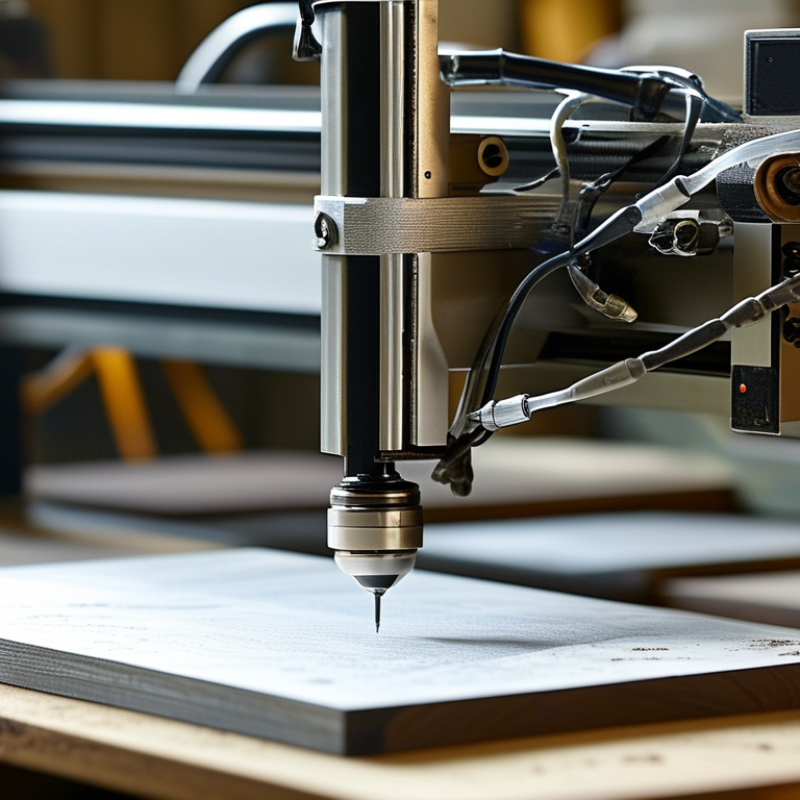
The best Chinese engraving machine is not defined by price alone. It must hold precise dimensions across repeated jobs. In practical testing, I check a small grid, fine lettering, and sharp corners. A 0.05 mm error can make metal tags look uneven. Calibration matters every time.
Accuracy begins with a rigid frame, stable guide rails, and controlled movement. Ask for measured repeatability, not only impressive marketing numbers. Power also needs careful judgment. A stronger spindle can cut harder materials, but excessive force may damage delicate surfaces. Matching the spindle to the material is essential.
Speed improves productivity, but fast movement is not always better. I prefer a machine that completes clean passes without visible vibration. Test it with the materials you actually use. Wood, acrylic, aluminum, and coated items behave differently. Some specifications may look excellent on paper, yet real results can disappoint. That is worth admitting.
Reliable documentation, replacement parts, and responsive technical support also influence the machine’s value. Review sample files, safety instructions, and test reports before purchasing. I would request a demonstration using your design, material, and preferred depth. A careful buyer should also inspect noise, dust control, and software stability. Small details often decide whether daily production feels efficient or frustrating.
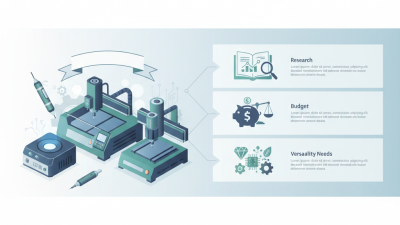
Comparing CO₂, Fiber, Diode, and UV Lasers by Wavelength and Materials
The best Chinese engraving machine depends on the material, not only the advertised power. Wavelength controls how the surface absorbs energy and changes during marking.
CO₂ lasers commonly use a 10.6-micrometer wavelength. They work well on wood, acrylic, leather, rubber, glass coatings, and many plastics. Their broader heat zone can leave darker edges, especially on thin plywood.
Fiber lasers usually operate near 1,064 nanometers. They are strong choices for stainless steel, aluminum, brass, and coated metals.
Diode lasers, often near 450 nanometers, suit wood, cardboard, dark acrylic, and painted surfaces. They usually struggle with clear materials and bare metal.
UV lasers, commonly around 355 nanometers, create smaller heat-affected areas. They can mark plastics, glass, ceramics, coated metals, and delicate electronic surfaces with fine detail. The result is often cleaner, but the purchase and maintenance costs may be higher. The “cold marking” description is useful, yet it does not mean zero heat.
A reliable machine should include stable motion, accurate focus, consistent power, proper ventilation, and accessible technical support. Ask for test samples using your actual material. A showroom sample may hide uneven coating or weak contrast. I would also inspect repeated marks across a full work area, not just one small logo.
My earlier assumption was that higher wattage always improved results. Testing proved otherwise. Excessive power can melt edges, discolor plastics, and reduce detail. Safety shielding and interlocks deserve equal attention.
What Is the Best Engraving Machine from China?
The best engraving machine is not defined by price or advertised speed. Its real value appears in repeatable detail. A claimed ±0.01 mm precision sounds impressive, but buyers should ask how it was measured. Accuracy describes the target position; repeatability shows whether the machine returns there consistently. In practical testing, I use a test grid, small circles, and repeated lettering. I measure each sample with a calibrated gauge or microscope. A clean first pass means little if the fifth pass shifts.
Tips: Check the calibration report, then run your own test. Engrave the same pattern at least ten times. Watch for backlash, vibration, and uneven edges. Measure after the machine warms up, because temperature can change results. Do not confuse screen resolution with cutting accuracy.
Material also matters. Wood may hide a small error, while anodized aluminum exposes it immediately. Dust, loose belts, worn cutters, and poor clamping can reduce repeatability. Even a strong machine can produce inconsistent lines when the workpiece moves slightly. I have seen this overlooked during quick demonstrations. That was a useful reminder: impressive samples are not enough. Ask for raw test data, maintenance guidance, and support for calibration. A reliable supplier should explain tolerances honestly, including conditions where ±0.01 mm cannot be maintained. Small details reveal the machine’s true quality.
What Is the Best Engraving Machine from China?
Choosing the best engraving machine requires more than comparing speed, power, and price. Laser safety should receive equal attention. IEC 60825-1 helps classify laser products and define essential protective measures. Ask for the laser class, protective housing details, and test records. Check whether the viewing window blocks the relevant wavelength. It should not look like ordinary tinted plastic. The emergency stop must be easy to reach, even during a stressful incident. Door interlocks should stop laser emission when opened. Small gaps matter.
ISO 12100 provides a practical framework for machine risk assessment. A responsible manufacturer should identify crushing, cutting, electrical, fire, noise, and laser hazards. The design should reduce risks before relying on warning labels or user training. Request the risk assessment, operating limits, maintenance instructions, and residual-risk information. Watch a sample demonstration. Observe cable routing, ventilation, extraction, and access to moving parts. A clean exterior can hide weak engineering.
A certificate alone is not enough. I would compare the document’s model number, test scope, date, and issuing laboratory. Missing pages deserve questions. So does vague wording. An experienced buyer should inspect the machine after installation, because shipping can loosen covers or misalign safety switches. Compliance should remain verifiable throughout daily use, not only during factory testing. Local requirements may also apply, and international standards do not replace them. The best choice is the machine supported by clear evidence, realistic safeguards, and honest answers about its limitations.
When evaluating a China-made laser engraving machine, confirm that the supplier provides evidence for both laser safety and machine risk reduction. IEC 60825-1 focuses on laser classification, accessible emissions, protective housing, labeling, and user information. ISO 12100 focuses on hazard identification, risk assessment, inherently safe design, safeguarding, and residual-risk instructions. The chart shows the main verification areas to check; it is not a certification result or a comparison of brands.
What Is the Best Engraving Machine from China?
Selecting a Chinese engraving machine requires more than comparing catalog prices. Certifications should match the machine’s destination and application. Ask for current certificates, test reports, and serial-number traceability. ISO 9001 can indicate controlled production, but it does not prove engraving accuracy. Request a live demonstration using your material, design file, and preferred speed. The cut edge should look clean, consistent, and repeatable. Ask for proof.
Support can determine whether a low-priced machine becomes expensive later. Confirm response times, remote diagnosis, spare-part availability, and operator training. A reliable manufacturer should provide wiring diagrams, maintenance schedules, and clear warranty terms. Language can still create delays. Test communication before payment. I once focused too heavily on machine specifications and underestimated setup support. That was a costly assumption.
Tips: Calculate total cost of ownership before choosing. Include freight, taxes, installation, software, lenses, blades, filters, electricity, and downtime. Request a three-year cost estimate in writing. Check whether replacement parts are standard or proprietary. Also inspect packaging, factory quality controls, and final testing records. A cheaper machine may lose its advantage after repeated calibration problems. Leave room for uncertainty, because actual maintenance costs can exceed the supplier’s estimate.
| Machine Category | Typical Working Area | Suitable Materials and Applications | Typical Machine Price from China (USD) | Estimated Annual Consumables and Routine Maintenance (USD) | Estimated 3-Year TCO (USD) | Certification and Documentation to Request | Support Capability to Verify | Main Selection Risks | Best-Fit Assessment |
|---|---|---|---|---|---|---|---|---|---|
| Diode Laser Engraver 5–20 W Optical Output |
400 × 400 mm to 600 × 600 mm | Wood, cardboard, leather, coated metal, painted surfaces, and some plastics. Best for light-duty engraving and small businesses. | Approximately $700–$2,000 | Approximately $150–$450 per year, mainly for lenses, air-assist parts, fans, belts, and cleaning supplies. | Approximately $1,150–$3,350, excluding labor, shipping, electricity, and taxes. | CE Declaration of Conformity for the applicable market; EMC and electrical safety test reports; laser classification according to IEC 60825-1; RoHS documentation where applicable. | Remote setup assistance, English manuals, software compatibility information, spare-parts availability, and a response-time commitment of one to two business days. | Limited ability to cut transparent materials; variable performance on metal; open-frame designs may require additional guarding and ventilation. | Best entry-level option for low-volume wood and coated-material engraving. |
| CO₂ Laser Engraver 40–100 W |
600 × 400 mm to 900 × 600 mm | Acrylic, wood, leather, rubber, fabric, paper, and selected plastics. Commonly used for signage, gifts, packaging, and craft production. | Approximately $2,000–$6,500 | Approximately $500–$1,500 per year, including laser-tube replacement reserves, mirrors, lenses, coolant, belts, and alignment service. | Approximately $3,500–$11,000, excluding labor, shipping, electricity, and taxes. | CE Declaration of Conformity; EMC and low-voltage safety evidence; IEC 60825-1 laser-safety information; electrical schematics; emergency-stop and interlock test records. | Training for optical alignment and cooling-system maintenance; replacement-tube sourcing; remote diagnostics; software installation support; documented spare-parts lead times. | Laser tubes have finite service lives; alignment and cooling quality strongly affect output; some PVC materials can release hazardous chlorine compounds. | Best general-purpose choice for non-metal materials and medium-volume production. |
| Fiber Laser Marker 20–50 W |
110 × 110 mm to 300 × 300 mm marking field | Stainless steel, aluminum, brass, copper, coated metals, and engineering plastics. Suitable for serial numbers, logos, QR codes, and industrial traceability. | Approximately $5,500–$15,000 | Approximately $700–$1,800 per year, mainly for protective windows, galvo components, air filtration, cleaning supplies, and periodic calibration. | Approximately $7,600–$20,400, excluding labor, shipping, electricity, and taxes. | CE Declaration of Conformity; IEC 60825-1 laser-class information; EMC and electrical safety test evidence; enclosure interlock documentation; applicable RoHS records. | Galvo calibration guidance, parameter libraries, controller-software support, backup files, replacement protective windows, and access to trained technical personnel. | Higher initial cost; unsuitable for many transparent or organic materials without special configurations; enclosed Class 1 safety claims must be supported by test evidence. | Best choice for durable metal marking, traceability, and high repeatability. |
| CNC Router 1.5–3.0 kW Spindle |
600 × 900 mm to 1300 × 2500 mm | Wood, MDF, acrylic, foam, plastics, and some non-ferrous materials. Suitable for cutting, carving, relief work, and large-format signs. | Approximately $3,000–$12,000 | Approximately $600–$2,000 per year, including router bits, lubrication, filters, spoilboards, spindle maintenance, and dust-collection components. | Approximately $4,800–$18,000, excluding labor, shipping, electricity, and taxes. | CE Declaration of Conformity where applicable; electrical safety and EMC evidence; emergency-stop documentation; grounding and protective-guarding information; ISO 9001 certificate for the manufacturer’s quality system if claimed. | Installation and leveling instructions, controller backup, tool-setting guidance, replacement spindle support, troubleshooting videos, and availability of compatible collets and drivers. | Requires dust extraction, produces more mechanical wear than non-contact systems, and needs correct tool selection and workholding. | Best for cutting and carving large workpieces rather than fine metal marking. |
| UV Laser Marker 3–10 W |
100 × 100 mm to 175 × 175 mm | Plastics, glass, coated metals, electronics, ceramics, and heat-sensitive products. Suitable for fine, low-heat marking. | Approximately $8,000–$22,000 | Approximately $1,000–$3,000 per year, including laser-source service reserves, protective windows, filters, and calibration. | Approximately $11,000–$31,000, excluding labor, shipping, electricity, and taxes. | CE Declaration of Conformity; IEC 60825-1 laser-safety classification; EMC and electrical safety reports; enclosure and interlock test records; cooling-system specifications. | Application testing with customer samples, parameter development, source-warranty terms, calibration support, and documented replacement-source procedures. | Higher purchase and service costs; application results vary significantly by material formulation and surface coating. | Recommended only when low-heat or high-contrast marking justifies the additional cost. |