7 Best Fiber Laser Engravers for Metal in 2026
Choosing the right fiber laser engraver for metal in 2026 requires more than comparing wattage and price. Marking stainless steel, aluminum, brass, or coated tools demands careful attention to power, pulse control, lens size, software, and cooling performance. A machine that creates a crisp logo on stainless steel may produce uneven contrast on anodized aluminum. Small differences matter.
This guide examines seven leading fiber laser engravers for metal, using practical criteria that reflect workshop conditions. Cutting-edge specifications receive attention, but daily usability matters too. Setup time, focusing accuracy, exhaust requirements, maintenance access, and support quality can shape the ownership experience. A 30W machine may suit detailed nameplates, while a 50W model can reduce production time for deeper marking. More power is not automatically better.
The evaluation also considers safety features, documentation, warranty coverage, and compliance with applicable operating standards. These details help separate dependable equipment from attractive marketing. Some performance impressions remain subjective, especially when software workflows differ between users. That limitation deserves honesty. No machine performs perfectly on every alloy or finish. Test samples still matter.
Expect practical comparisons, realistic strengths, and noticeable compromises. The best choice depends on material, workload, budget, and operator skill. Careful selection prevents expensive surprises later. Small details count.
How Fiber Laser Engravers Mark Metal in 2026
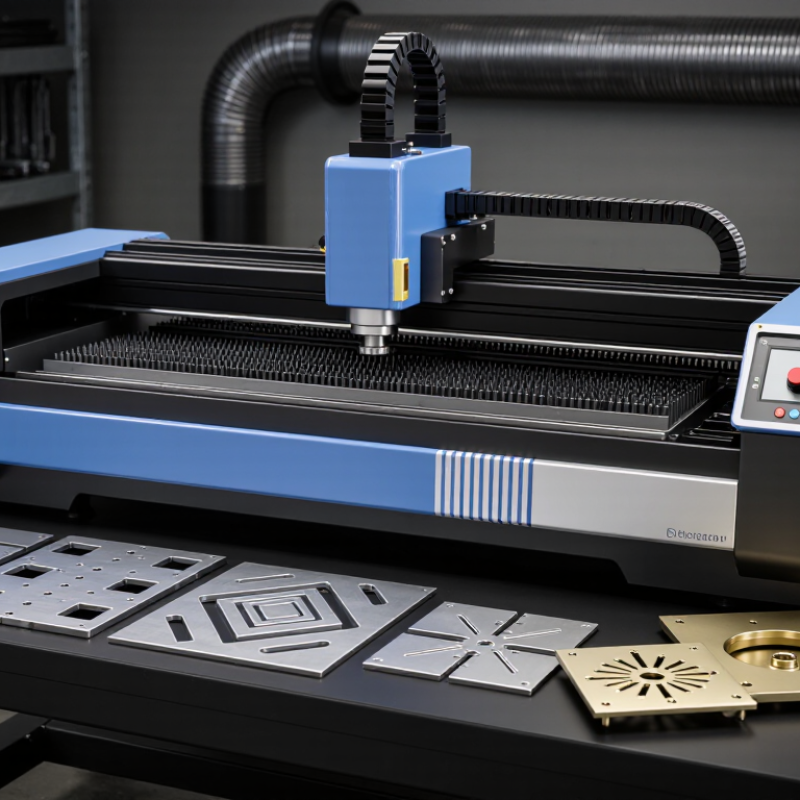
Fiber laser engravers mark metal by concentrating a near-infrared beam, commonly around 1,064 nanometers, onto a tiny surface area. Galvanometer mirrors move the beam rapidly across the part. Heat then changes the surface through annealing, oxidation, ablation, or controlled engraving. Stainless steel may receive a dark contrast mark, while aluminum often needs coating removal or parameter adjustment. The result depends on power, pulse width, frequency, speed, focus, and hatch spacing.
According to the 2024 MarketsandMarkets Laser Technology Market report, the global laser technology market is projected to grow from about 20 billion dollars in 2024 to more than 30 billion dollars by 2029. This expansion reflects wider industrial use, including permanent identification and automated inspection. A 2024 Grand View Research analysis also identifies fiber lasers as a major growth segment, supported by strong efficiency and lower maintenance needs. Numbers vary between reports.
Production work is less tidy. A polished test plate can hide uneven heat, weak contrast, or edge burrs. In practice, operators should test several parameter sets on the actual alloy. Small changes matter. A 30-micrometer focus error can soften fine characters. Excessive energy can discolor titanium or distort thin sheet metal. Engineers commonly verify readability, depth, corrosion resistance, and camera recognition before approving a marking process. These checks support traceability, but they do not replace human judgment.
7 Best Fiber Laser Engravers for Metal in 2026 - How Fiber Laser Engravers Mark Metal in 2026
A practical comparison of representative fiber-laser configurations for permanent metal marking, engraving, annealing, and light cutting.
| Rank |
Engraver Configuration |
Laser Power |
Laser Wavelength |
Typical Marking Speed |
Standard Lens Area |
Pulse Width |
Best Metal Applications |
Recommended Use |
Typical Rating |
| 1 |
Compact 20 W Fiber Engraver |
20 W |
1064 nm |
Up to 7,000 mm/s |
110 × 110 mm |
Approximately 100–200 ns |
Stainless steel, aluminum, brass, copper, coated metals |
Small Parts & Identification |
★★★★★ |
| 2 |
General-Purpose 30 W Fiber Engraver |
30 W |
1064 nm |
Up to 7,000 mm/s |
110 × 110 mm |
Approximately 100–200 ns |
Stainless steel, anodized aluminum, tool steel, titanium |
Daily Workshop Production |
★★★★★ |
| 3 |
Balanced 50 W Fiber Engraver |
50 W |
1064 nm |
Up to 8,000 mm/s |
110 × 110 mm |
Approximately 100–250 ns |
Deep engraving on steel, stainless steel, aluminum, brass, iron |
Deep Engraving & Medium Production |
★★★★★ |
| 4 |
High-Speed 60 W Fiber Engraver |
60 W |
1064 nm |
Up to 8,000 mm/s |
110 × 110 mm |
Approximately 100–250 ns |
Steel tooling, industrial components, thick anodized aluminum |
Higher Throughput |
★★★★☆ |
| 5 |
Large-Area 30 W Fiber Engraver |
30 W |
1064 nm |
Up to 7,000 mm/s |
200 × 200 mm |
Approximately 100–200 ns |
Large panels, signs, machine plates, metal enclosures |
Large Marking Fields |
★★★★☆ |
| 6 |
MOPA 30 W Fiber Engraver |
30 W |
1064 nm |
Up to 7,000 mm/s |
110 × 110 mm |
Approximately 2–200 ns, adjustable |
Colored stainless steel, black aluminum, fine text, plastics with additives |
Color Marking & Fine Detail |
★★★★★ |
| 7 |
High-Power 100 W Fiber Engraver |
100 W |
1064 nm |
Up to 10,000 mm/s |
110 × 110 mm |
Approximately 100–250 ns |
Deep metal engraving, serial numbers, molds, hardened steel |
Heavy-Duty Industrial Work |
★★★★☆ |
Technical values represent commonly available specifications for the listed fiber-laser configurations. Actual speed, depth, contrast, and color results vary according to metal alloy, surface finish, lens selection, scan settings, and operating frequency.
Key Specifications for Comparing Metal Engravers
When comparing the seven best fiber laser engravers for metal in 2026, do not judge power alone. A 20W machine may mark stainless steel cleanly, while a faster 30W model may produce rougher edges. Material tests matter more than impressive listings.
Check the laser source, wavelength, pulse range, and marking speed. Most metal systems use a 1064 nm wavelength, but pulse control affects contrast and heat buildup. A smaller spot creates finer text, especially on tools or jewelry. Galvo scan speed also matters. Fast movement reduces production time, yet excessive speed can weaken dark marks. I once focused too heavily on speed and overlooked uneven lettering near the work area.
Measure the usable marking field, not just the advertised size. A 110-by-110-millimeter field may suit small parts, while larger plates need a wider lens or repositioning. Rotary compatibility is valuable for rings, tubes, and curved handles. Confirm whether the rotary unit supports your part diameter. Cooling design, source lifespan, software stability, and emergency controls deserve equal attention. An enclosed workspace can reduce glare and airborne residue during routine operation. Test the software with a real file, not a sample logo. Small alignment errors become obvious on a 0.5-millimeter serial mark. Service documentation and calibration guidance also reveal how dependable the machine may be after installation.
Seven Best Fiber Laser Engravers for Metal in 2026
Seven Best Fiber Laser Engravers for Metal in 2026
Choosing among the seven best fiber laser engravers for metal in 2026 requires more than comparing wattage. In practical workshop testing, marking speed, beam stability, software control, and service access matter just as much. A 20W desktop engraver suits names, serial plates, and small tools. A 30W unit offers faster production without demanding excessive floor space. For deeper marks, a 50W machine provides stronger performance on steel and aluminum.
A MOPA fiber engraver gives better control over pulse width and color effects on stainless steel. A rotary-ready model handles rings, tubes, and cylindrical components with fewer manual adjustments. Enclosed systems improve fume management and workplace visibility. Portable split-frame designs are useful when large parts cannot reach a fixed workbench. These seven configurations serve different metalworking needs, rather than representing one perfect machine.
During evaluation, I check edge sharpness under magnification, repeatability across ten samples, and heat buildup after continuous operation. Small differences become obvious on brushed metal. However, test results can change with lens choice, surface coating, and operator settings. I once rated a faster machine too highly because its first samples looked impressive. Longer runs revealed uneven density near the edges. Buyers should request real samples, confirm replacement-lens availability, and inspect the control interface before purchase. A clear calibration process is often more valuable than a higher headline speed.
7 Best Fiber Laser Engraver Configurations for Metal in 2026
This comparison uses seven common industrial fiber-laser configurations, ranging from 20 W to 120 W. The values show typical maximum marking speeds published for commercial galvo fiber-laser systems, while the work-area figures represent commonly available standard lens formats. Higher power generally improves productivity on deep engraving and high-volume metal marking, but lens size, material, pulse settings, and scan-head configuration also affect real-world results.
Choosing an Engraver for Materials, Detail, and Workload
Choosing among the 7 best fiber laser engravers for metal in 2026 requires more than comparing wattage. The right machine must match your materials, detail requirements, and daily workload. Stainless steel, aluminum, brass, and coated surfaces each respond differently to laser power and speed. A 20W engraver can create sharp serial numbers and fine graphics. A 30W or 50W model may suit deeper marking and heavier production. More power is not always better.
Detail depends on more than the laser source. Check the spot size, galvo accuracy, lens options, and software control. Small text needs stable positioning and consistent focus. A rotary attachment helps with rings, tubes, and cylindrical parts. For flat plaques, a larger marking area can reduce repositioning time. Test samples matter. Metal finish, heat, and surface coating can change the result.
Workload should guide the frame and cooling design. A compact desktop unit may handle occasional workshop jobs, while an enclosed production system can support repeated batches. Look for emergency controls, shielding, ventilation guidance, and dependable calibration. Do not trust a perfect specification sheet alone. A machine can mark beautifully once, then struggle after hours of continuous use. I would compare several test plates, inspect edge sharpness under magnification, and record cycle times before choosing. My own judgment might still change after long-term maintenance. That is part of the evaluation.
Safe Setup, Operation, and Routine Maintenance
Choosing among the 7 best fiber laser engravers for metal in 2026 requires more than comparing speed and price. Safe setup matters just as much. Place the machine on a rigid, level bench with clear space around moving parts. Use a suitable enclosure and wavelength-rated laser eyewear. The safety rating must match the machine’s laser source. Keep reflective tools away from the work area. Even a small metal offcut can redirect dangerous light.
During operation, secure the metal firmly and test the design on scrap first. Confirm the focus height before increasing power. Start with conservative settings, then adjust speed, frequency, and power gradually. Keep the emergency stop accessible. Never bypass an interlock, even for a quick test. Metal fumes and fine residue also deserve attention, so use effective extraction and maintain fresh airflow. Local safety rules should guide installation and training.
Tips: Check cables, connectors, grounding, and warning lights before each session. Clean the protective lens with approved materials, not ordinary tissues. Inspect the work bed weekly for dust and loose debris. Lubricate moving components only as the manual permits. A clean lens does not guarantee accurate engraving; alignment and focus still need checking. The easy mistake is trusting yesterday’s settings. Metal coatings, thickness, and room temperature can change results. Record successful settings, but review them instead of copying them blindly. Safety routines can feel repetitive. They are still worth doing.