1101 W. Sanilac Rd. Caro, MI 48723
989.673.6690
Choosing the best fiber laser for 2026 starts with the work it must perform. A machine cutting thin stainless sheet has different needs from one marking serial numbers or welding small components. Peak power matters, but so do beam quality, pulse control, motion accuracy, and the material’s response. A specification sheet cannot show every production problem.
Dr. Valentin Gapontsev, founder of IPG Photonics and a pioneer in fiber-laser development, offers a useful perspective through his work. A buyer-focused takeaway—not a verbatim quotation—is: “Choose the laser for the process, not the biggest number on the spec sheet.” That distinction can prevent expensive mismatches. A 3 kW source may suit one cutting line, while a lower-power pulsed fiber laser may produce cleaner marks with less heat on delicate parts. Real samples tell you more than a sales headline.
This guide compares the factors that matter when selecting a fiber laser for 2026: application, output, wavelength, pulse options, cooling, software, service, and total ownership cost. We will also look at practical details, such as cut-edge quality, cycle time, and whether replacement components are readily available. No single model wins every job. The strongest choice is the one that proves reliable on your materials, fits your production goals, and comes with support you can verify.
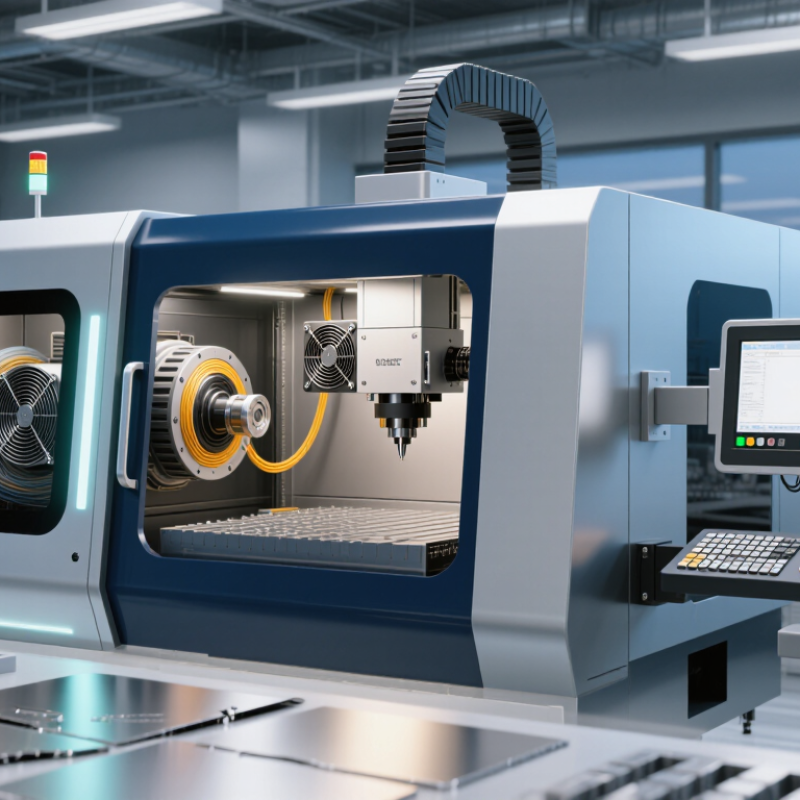
A fiber laser generates light inside an optical fiber rather than in a free-space crystal or gas tube. The fiber’s core contains small amounts of rare-earth elements, such as ytterbium. These atoms help amplify light when energized. The result is a concentrated beam that can be guided through a flexible fiber cable. That is the basic idea.
Electrical power feeds pump diodes, which send light into the doped fiber. The added energy excites atoms in the fiber core. As photons pass through, they trigger the release of more photons with matching properties. This process, called stimulated emission, builds a strong, organized beam. Reflective sections help amplify the light, while an output path directs it toward the work area. Optics then focus the beam into a small spot.
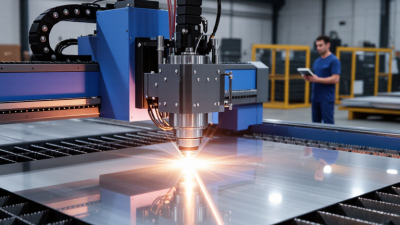
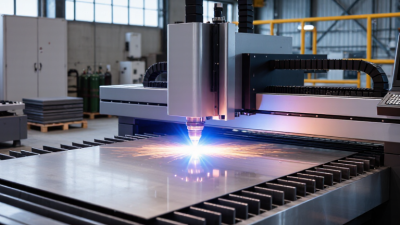
In metal cutting and marking, that focused energy heats a precise area, melting or vaporizing material depending on the process settings. Results depend on more than laser power: material type, thickness, focus, speed, and assist gas all matter. A clean edge on thin sheet does not guarantee the same result on a thicker plate. I should qualify any “best” claim: the right system depends on the job, and sample testing can reveal limits that a specification sheet misses. That’s worth testing.
What Is the Best Fiber Laser for 2026?
Which Specifications Matter Most in a 2026 Fiber Laser?
Choosing a fiber laser starts with the work, not the headline power rating. For sheet-metal cutting, match output power to the materials and thicknesses you process most often. A higher rating may increase speed, but it can also raise purchase, electrical, and cooling requirements. That matters. Check the stated cutting range against realistic production samples, not just ideal conditions.
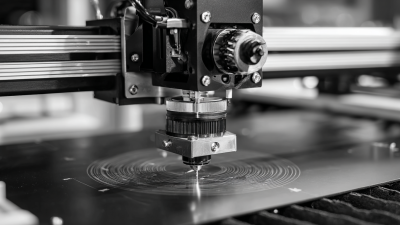
Beam quality and spot size influence how energy reaches the material. For fine marking or detailed engraving, pulse frequency, pulse duration, and peak power deserve close attention. Continuous-wave systems suit many cutting tasks, while pulsed models offer different control over heat input. Not always. Compare specifications measured under comparable conditions, and ask how stable output remains during extended operation.
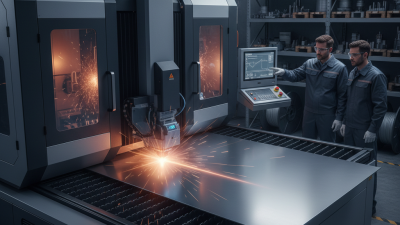
Also examine duty cycle, cooling capacity, service access, and control software. A machine that pauses often can erase gains from a faster cutting speed. Confirm that the work area, extraction setup, and electrical supply fit your facility. A polished specification sheet cannot predict every result; material finish, focus settings, and operator setup all affect performance. Request a sample test using your own material and typical job files. The best choice is the one that delivers repeatable quality at a sustainable operating cost, even if its top speed looks less impressive.
Which specifications matter most? Compare the estimated electrical input for common laser output-power classes at two illustrative wall-plug efficiency levels.
Values are calculated as laser output power divided by wall-plug efficiency. They estimate the laser source’s electrical input only; the chiller, motion system, and other equipment are excluded. Actual efficiency varies by source and operating conditions. The best choice depends on the material, thickness, throughput, beam quality, and service requirements of your application.
A fiber laser is not one tool with a universal job. Continuous-wave systems deliver steady energy for fast cutting and deep welds, especially on metal sheet and structural parts. Single-mode beams concentrate energy into a small spot, helping produce narrow cuts and precise seams. For thicker sections, higher-power multimode systems can offer a practical balance between penetration and processing speed. The fit matters.
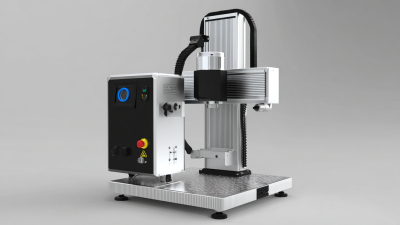
Pulsed fiber lasers suit marking, surface cleaning, and fine engraving, where short bursts limit heat buildup. For delicate microprocessing, ultrashort-pulse sources reduce thermal damage, though they often cost more and need careful process control. A common mismatch is choosing by maximum wattage alone; the wrong beam quality or pulse format can leave rough edges, discoloration, or excess rework. Not always obvious.
Market growth signals wider adoption, not one best configuration. Grand View Research’s Fiber Laser Market report valued the global market at USD 6.5 billion in 2023. That figure reflects many uses, from automotive welding to electronics marking. Before choosing, test the actual material, thickness, and finish under production conditions. A polished sample is not enough. Record cut quality, cycle time, assist-gas use, and maintenance needs; then compare total operating cost, not just the laser’s rated output.
The leading fiber laser options depend on the work, not a single headline power rating. Continuous-wave systems suit steady cutting and welding, where consistent output matters. Pulsed lasers are better suited to marking, engraving, and tasks that need controlled bursts. MOPA-style pulsed systems offer adjustable pulse settings for varied surface effects. Ultrafast fiber lasers serve specialized precision work, but their cost and setup may be harder to justify.
Start with the material, thickness, and desired edge quality. A shop cutting thin sheet may value speed and reliable motion control more than extra power. For marking coated metal, pulse duration and frequency can shape contrast and limit heat discoloration. Check the full system: source, optics, cooling, software, and service support. Small details matter. A poorly matched lens can undermine an otherwise capable laser.
Compare sample cuts or marks on your actual materials before buying. Ask for repeatability data, operating costs, and maintenance requirements, not just peak performance figures. Safety enclosures, extraction, and trained operators are essential parts of a responsible installation. Specifications can look decisive on paper. In practice, production schedules, operator skill, and changing materials complicate the choice; even a careful shortlist may need revision after real shop-floor testing.
Choosing the best fiber laser begins with the job, not the largest power rating. List the materials, thicknesses, and operations you actually need. A system for cutting sheet metal may not suit fine marking or precision welding. Match continuous-wave or pulsed operation to the task, then compare power, beam quality, and pulse control.
Check real samples before deciding. Ask for a test using your material, including its surface finish and thickness. Inspect the cut edge, weld depth, or mark under ordinary working conditions. A clean sample is useful. A repeatable sample is better. Also check the work area, extraction needs, enclosure, and operator safeguards. These details affect daily use as much as the laser source.
Consider the full cost: installation, consumables, maintenance, training, and local technical support. Ask how quickly common service issues can be handled, and whether replacement parts are available. A detailed specification sheet cannot predict every production problem. That deserves a little skepticism. If possible, run a short trial with your own workflow and record cycle time, scrap, and setup effort. The “best” machine may be less powerful, but easier to use consistently.