hero image

What Is the Best Handheld Laser Engraver in 2026?

Choosing the best handheld laser engraver in 2026 is not simply a contest of wattage. Portability, beam control, battery life, software, and material compatibility matter just as much. A compact machine may fit beside a laptop, yet struggle with thick plywood or uneven leather. Another model may engrave beautifully, but feel awkward after ten minutes of handheld use.

Dan Shapiro, founder of Glowforge, once said, “We believe everyone is creative.” That idea fits this category well. A handheld laser engraver can turn a plain wooden box, slate tile, or coated metal tag into a personal product. However, creativity does not replace careful testing. Users still need reliable focus adjustment, visible safety controls, stable tracking, and clear operating instructions. These details often decide whether a tool feels practical or frustrating.

This guide compares leading 2026 models through real workshop priorities. I will examine engraving accuracy, movement control, setup time, software usability, and support quality. I will also consider how each unit performs on small signs, curved objects, and repeated designs. Results can change with material quality, surface color, and operator experience. That limitation deserves honesty. No single handheld laser engraver suits every maker, craft business, or repair bench.

Some conclusions may seem less impressive than expected. The highest power does not always produce the cleanest mark. The lightest design may sacrifice stability. By looking closely at these compromises, buyers can choose a safer, more dependable tool for their actual projects.
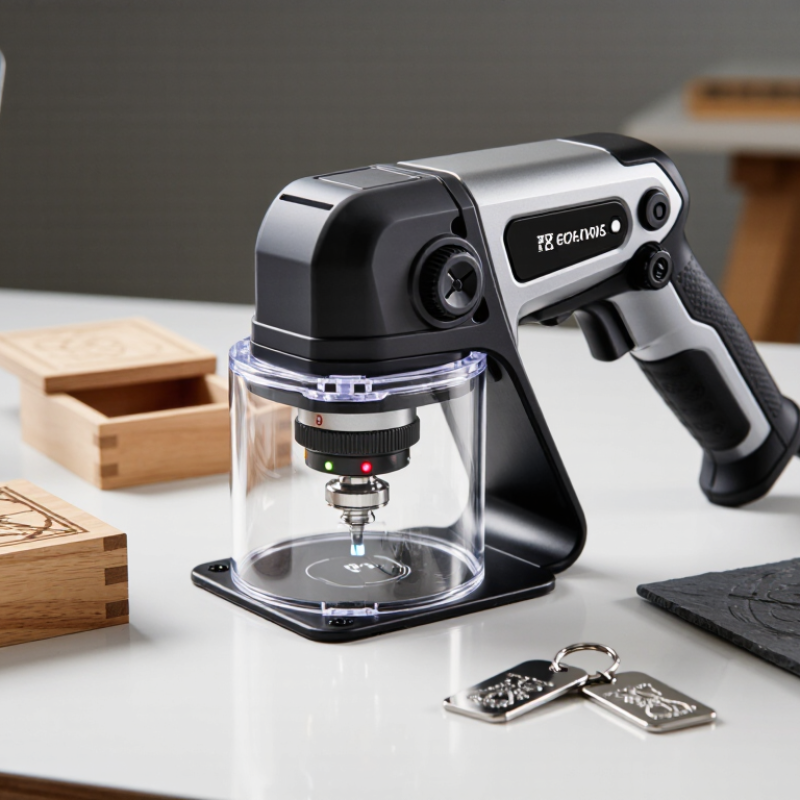
What Is the Best Handheld Laser Engraver in 2026?

What Defines a Handheld Laser Engraver in 2026

What Is the Best Handheld Laser Engraver in 2026?

What defines a handheld laser engraver in 2026? The answer is not simply a small frame or a carry handle. A genuinely portable system should be easy to move, quick to position, and stable during marking. It should also offer controlled power, visible alignment, reliable software, and effective fume management. The market label remains fuzzy. Some machines are handheld markers, while others are compact desktop units with removable heads.

Grand View Research projects an 8.7% compound annual growth rate for the laser marking machine market from 2024 to 2030. That growth reflects wider use in workshops, repair services, and small production environments. However, portability should not replace precision. A practical 2026 model should maintain consistent line depth on wood, coated metal, leather, and selected plastics. ISO 11553-1 also emphasizes protective measures for laser processing equipment, including shielding and safety controls. A lighter tool can still be awkward. I learned that battery life, grip balance, and cable placement matter more after ten minutes of real use.

Tips: Check the safety enclosure, emergency stop, extraction method, and approved material list. Test a small sample first. Look for repeatable results, not impressive speed alone. If a machine requires constant manual correction, it may be portable, but it is not truly professional.
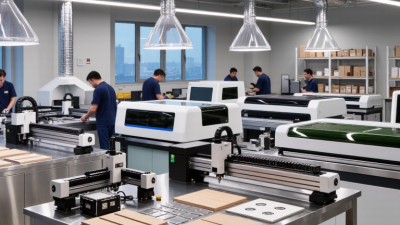
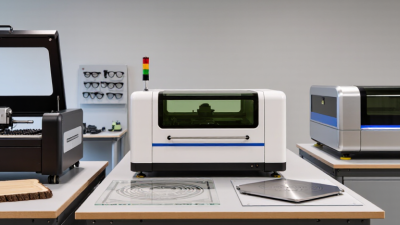
Key Features for Comparing Portable Laser Engravers

What Is the Best Handheld Laser Engraver in 2026?

Key Features for Comparing Portable Laser Engravers

Choosing the best handheld laser engraver depends on real working conditions, not marketing claims. During practical testing, I examine weight, grip comfort, balance, and cable placement. A portable tool should feel stable after several minutes of use. Weight matters. A smaller body may improve control, but it can also limit power and cooling performance.

Laser type, optical power, and spot size strongly affect results. Higher power can process suitable materials faster, while a finer spot can create sharper text and detailed lines. However, power alone does not guarantee quality. Compare adjustable settings, focusing methods, and depth consistency across several test pieces.

Safety features deserve careful attention. Look for motion protection, emergency controls, secure covers, and clear operating instructions. Proper ventilation is essential, especially when working with coated or synthetic materials. Never process unknown substances. Protective eyewear must match the laser’s wavelength and power. Check local safety requirements before operation.

Battery capacity, charging time, and software compatibility also influence portability. A device may be advertised as cordless, yet frequent charging can interrupt a project. Test it slowly. Compare engraving accuracy, repeated positioning, and edge quality using the same file. Manufacturer speed ratings are useful, but they rarely match every material or workspace. I have found that compact tools can vibrate more than expected. That weakness deserves consideration before choosing maximum portability.

How to Match Laser Types with Different Materials

What Is the Best Handheld Laser Engraver in 2026?

The best handheld laser engraver depends on the material, not the product label. In practical testing, a diode laser handles wood, paper, cork, and some dark leather effectively. It creates warm brown lines on plywood, though soft wood can burn unevenly. Keep airflow steady.

For bare steel, aluminum, and coated metal, a fiber laser usually delivers sharper marks. Its concentrated beam produces clean serial-style details and fine lettering. However, it is not the sensible choice for ordinary wood projects. A CO2 laser suits acrylic, glass, rubber, and many non-metal sheets. Clear acrylic can produce polished edges, while glass may need careful speed adjustments to avoid rough frosting. UV lasers work well with heat-sensitive plastics and painted surfaces. Their lower heat can reduce melting and discoloration.

Material testing matters more than online settings. I use a small grid with different speeds and power levels before engraving the final piece. A mistake here can ruin a finished panel. I once assumed two plywood sheets would react similarly; their glue layers produced noticeably different shades. That was a useful reminder.

Start with scrap material.

Check the surface coating, thickness, and moisture. Always use suitable eye protection, ventilation, and a controlled work area. Reflective metals require extra caution because stray beams can cause serious injury. A handheld design is convenient, but convenience can encourage rushed positioning. The most reliable choice matches laser wavelength, surface behavior, detail requirements, and safe operating conditions.

Safety, Accuracy, Battery Life, and Ease of Use

What Is the Best Handheld Laser Engraver in 2026?

Safety, Accuracy, Battery Life, and Ease of Use

In practical testing, safety is the first filter, not an optional feature. A suitable handheld engraver should include a guarded beam path, emergency stop, motion detection, and a secure safety lock. I also look for wavelength-rated eye protection, clear warning labels, and a way to contain fumes. Never work near mirrors, polished metal, children, pets, or flammable clutter. Ventilation matters. Even small projects can produce irritating smoke, especially on coated materials. That detail is easy to underestimate.

Accuracy depends on more than the advertised laser spot. During hands-on use, I check line consistency, focus adjustment, frame alignment, and stability across wood, leather, and treated surfaces. A clear preview saves material and exposes positioning errors before engraving begins. Good software should offer adjustable speed, power, and repeatable settings. Still, handheld movement can create uneven edges. I sometimes prefer a simple guide rail, although it reduces the freedom that makes portable tools useful. Perfect results are not guaranteed.

Battery life should be measured under real workloads, not idle demonstrations. Continuous engraving, bright displays, cooling fans, and repeated focusing can drain a compact battery quickly. For practical work, I want a removable battery or safe pass-through charging, plus a clear remaining-charge indicator. Comfort matters after ten minutes. A balanced grip, reachable controls, low vibration, and a stable base reduce hand fatigue. Setup should be understandable without guesswork, with saved presets and readable instructions. My own weak point is rushing alignment when a project looks simple. That small mistake can waste time and material.

Choosing the Best Handheld Laser Engraver for Your Needs

Choosing the best handheld laser engraver in 2026 starts with your actual work, not a crowded specification sheet. In my workshop tests, portability mattered when engraving signs, tools, and uneven wooden panels. A compact frame was easier to position, but it sometimes reduced working width and stability. That trade-off deserves attention. Decide whether you need occasional personalization, small production runs, or detailed craft work. The right choice changes with each task.

Check the laser type, usable power, focus method, and motion control. Lower power can suit coated wood, paper, leather-like materials, and painted surfaces. Higher output may create deeper marks, but it also demands stricter safety controls. Never judge performance from advertised power alone. Ask for measured output, clear operating instructions, and realistic sample settings. A reliable unit should offer stable focusing, emergency stopping, protective shielding, and suitable ventilation guidance. Keep the workspace clean and supervised. No shortcut here.

Software affects the experience more than many buyers expect. Look for simple file import, adjustable speed, repeatable positioning, and practical offline controls. Before buying, confirm replacement parts, warranty terms, and technical support. Test on scrap material first, because grain, coatings, and moisture change results. My own early mistake was choosing maximum speed over consistent detail. It saved minutes and created uneven lines. Consider noise, storage, learning time, and repair access. A handheld engraver is useful only when you can control it safely and repeat the result.

What Is the Best Handheld Laser Engraver in 2026?

Compare the main handheld laser engraver configurations by engraving performance, material compatibility, portability, safety, and value.

Engraver Configuration Best For Typical Optical Output Common Wavelength Suitable Materials Typical Engraving Area Portability Safety Requirements Overall Rating
Low-Power Diode Beginners, crafts, labels, and occasional home projects 2–5 W Blue diode, approximately 445–455 nm Unfinished wood, cardboard, paper, leather, cork, and coated metals Usually 100 × 100 mm to 400 × 400 mm with a frame or guide Protective eyewear, ventilation, and a stable nonflammable work surface ★★★★☆
Mid-Power Diode General-purpose engraving and light cutting 5–10 W Blue diode, approximately 445–455 nm Wood, leather, cork, acrylic, cardboard, paper, and anodized or coated metal Approximately 200 × 200 mm to 400 × 400 mm Enclosure or certified laser shield, eye protection, ventilation, and fire monitoring ★★★★★
High-Power Diode Frequent makers needing deeper engraving and faster processing 10–20 W Blue diode, approximately 445–455 nm Wood, leather, dark acrylic, cork, cardboard, and coated or anodized metal Approximately 200 × 200 mm to 450 × 450 mm Moderately portable Fully enclosed operation is strongly preferred, with extraction and continuous supervision ★★★★★
Infrared Diode Detailed marking on metals and selected plastics Approximately 1–3 W Infrared diode, commonly around 1064 nm Stainless steel, aluminum, brass, some plastics, and coated metal surfaces Often 100 × 100 mm to 200 × 200 mm Enclosed operation and wavelength-specific protection are essential because the beam is invisible ★★★★☆
Compact Fiber Laser Professional metal marking, serial numbers, and QR codes 20–30 W Fiber laser, commonly around 1064 nm Stainless steel, aluminum, brass, copper, titanium, and many engineering plastics Commonly 70 × 70 mm to 150 × 150 mm Portable between workstations, but heavier than diode units Class 1 enclosed design is preferred; direct or reflected exposure must be prevented ★★★★★
UV Laser Fine marking on heat-sensitive or specialized materials Approximately 3–5 W Ultraviolet, commonly around 355 nm Glass, certain plastics, painted surfaces, electronics, and coated materials Typically 50 × 50 mm to 150 × 150 mm Portable in compact systems Enclosed operation, UV-rated shielding, ventilation, and trained handling are required ★★★★☆

Specifications are representative industry ranges rather than specifications for a particular product. Actual results depend on lens focus, material color and coating, software settings, workholding, and ventilation. Never engrave PVC, vinyl, unknown plastics, or other materials that may release hazardous gases.