Top Benefits of Using a Handheld Laser Welder for Your Projects?
In recent years, the adoption of handheld laser welders has revolutionized various industries. These devices offer precision and versatility, making them ideal for welding tasks in tight spaces. According to a report by MarketsandMarkets, the handheld laser welding market is projected to reach $620 million by 2026, highlighting significant growth in demand. Industry expert Dr. Emily Harper states, “The handheld laser welder combines convenience with advanced technology, transforming traditional welding processes.”
One key advantage of handheld laser welders is their ease of use and portability. Operators can maneuver these tools effectively, leading to reduced setup time on projects. This efficiency is particularly important in sectors like automotive and manufacturing, where time is critical. Despite these benefits, some users still express concerns about the learning curve associated with mastering this technology.
Moreover, while the advantages are compelling, it is essential to acknowledge that not every project may suit a handheld laser welder. Understanding the limitations is crucial. As the market evolves, ongoing training will be vital to maximize their potential. Embracing these tools requires a balance of innovation and practical experience for optimal results.
Key Features of Handheld Laser Welders
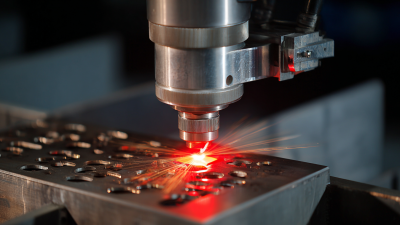
Handheld laser welders are revolutionizing the way projects are approached, offering unique features that enhance usability and efficiency. One key feature is their portability. These devices are lightweight and easy to maneuver, making them ideal for intricate tasks that require precision. Users can work seamlessly in tight spaces, which is often challenging with traditional welding equipment.
Another notable aspect is the versatility of handheld laser welders. They can be used on various materials, including metals, plastics, and composites. This adaptability allows for greater application across different industries, from automotive to art. The laser's focus provides a clean and precise weld, reducing the need for extensive post-welding cleanup. However, achieving the best results requires practice and a keen understanding of material behaviors under laser exposure.
Additionally, the speed of operation is impressive. Handheld laser welders reduce the time spent on tasks. Yet, working quickly can lead to mistakes if not handled carefully. Users must continuously assess their technique to avoid overheating or damaging materials. It’s essential to balance speed with caution for optimal results.
Advantages of Portability in Handheld Laser Welding
Handheld laser welders offer great flexibility for various projects. Their lightweight design allows users to move easily between workstations. You can weld in tight spaces or remote locations without needing bulky equipment. This portability can save time and effort, making projects more efficient.
When using a handheld laser welder, the ease of transport becomes a major advantage. You can quickly adapt to different job sites. By reducing the need for multiple tools, workflow becomes streamlined. Yet, the convenience does come with some challenges, such as the need for consistent power access.
Additionally, the precision of handheld lasers is impressive. However, achieving flawless welds requires practice. Many users may initially struggle with technique or setup. Mistakes can happen, leading to wasted materials. Refining skills over time is essential for optimal results. Understanding the balance between portability and precision can enhance project outcomes significantly.
Improved Precision and Control in Welding Tasks
Using a handheld laser welder offers improved precision and control for various welding tasks. This technology allows users to achieve clean and accurate welds. The focused laser beam targets specific areas, minimizing heat dispersion. As a result, distortion is reduced, making it perfect for delicate projects, such as jewelry or intricate metalwork.
To maximize the benefits of a handheld laser welder, it’s essential to practice proper technique. Keeping a steady hand ensures consistent results. Different materials may require adjustments to the power settings. Taking the time to understand these variables can significantly enhance your workflow and outcome.
Remember, experimentation is key. While handheld laser welders provide numerous advantages, mastering the tool takes time. Don't hesitate to try different angles or speeds to find what works for you. Learning from each project will improve your skills and confidence in welding tasks.
Time Efficiency and Cost Savings of Using Handheld Lasers
Handheld laser welders are gaining popularity due to their time efficiency and cost-saving potential. A study by the Welding Institute indicates that these devices can reduce welding time by up to 50% compared to traditional methods. This is crucial for industries where every minute of production counts. As a result, companies can significantly increase their output and meet tighter deadlines.
Moreover, handheld laser welding can lower operational costs. A report from the American Welding Society highlights that these welders often require less energy than MIG or TIG welding. This reduction in energy consumption can translate to lower utility bills for manufacturers. Investing in a handheld laser welder often pays off within a few months due to these savings.
However, it’s essential to acknowledge that not all projects benefit from handheld lasers. Their effectiveness is influenced by factors such as material type and joint design. Some welders may find a learning curve associated with mastering this technology. Therefore, it’s important to assess your specific needs before adopting this equipment fully. Balancing efficiency with the right application is key to maximizing the advantages of handheld laser welders.
Top Benefits of Using a Handheld Laser Welder for Your Projects
| Benefit |
Time Efficiency |
Cost Savings |
| Precision Welding |
Reduces rework time |
Minimizes material waste |
| Versatile Applications |
Cuts setup time across projects |
Reduces tool costs |
| User-Friendly Operation |
Minimizes training time for operators |
Lower labor costs |
| Reduced Heat Affected Zone |
Speeds up cooling time |
Less post-weld cleanup |
| Portable Design |
Eliminates transportation delays |
Fewer overhead expenses |
Applications and Versatility of Handheld Laser Welders
Handheld laser welders have gained immense popularity due to their diverse applications across various industries. These devices are particularly useful in automotive repair, jewelry making, and industrial assembly. According to a recent industry report, handheld laser welding technology has experienced a growth rate of over 20% annually. This surge indicates a clear shift towards more efficient and precise welding methods.
In automotive repair, for example, handheld laser welders allow for rapid spot welding, significantly reducing downtime. This adaptability is crucial as traditional welding methods can take longer and might not offer the precision needed for high-quality repairs. Data indicates that laser welding methods can achieve a finer weld bead, with widths as small as 0.5 mm, ensuring minimal distortion in sensitive parts. This precision not only minimizes material waste but also enhances overall product quality.
The versatility of handheld laser welders extends to various metals and thicknesses. They can be used effectively on materials ranging from thin stainless steel to thicker aluminum alloys. However, it's worth noting that training and experience are essential to achieving the best results. Poor technique can lead to inconsistent welds, causing project delays. It’s important to continuously refine skills to fully harness the capabilities of these advanced tools.
Top Benefits of Using a Handheld Laser Welder
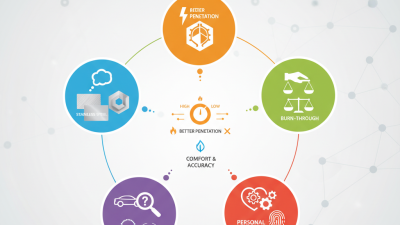
This chart illustrates the key benefits of using a handheld laser welder in various projects, highlighting aspects such as precision, portability, speed, versatility, and cost-effectiveness.