Best Laser Marking Machine for Metal Buying Guide?
When considering the best laser marking machine for metal, it is essential to rely on expert insights and industry data. According to a report by MarketsandMarkets, the global laser marking market is projected to reach $5.8 billion by 2026, reflecting a growing demand for precision and efficiency in metal marking applications. Industry expert Dr. Emily Johnson emphasizes, "The right laser marking machine can significantly enhance product traceability and brand integrity."
Many manufacturers are shifting toward laser marking technology for its myriad benefits. Unlike traditional marking methods, these machines offer high precision, speed, and minimal material wear. In various industries, precise metal engraving is crucial for safety and compliance. However, not all machines are created equal, and choosing the right one requires careful consideration of factors like output quality and operational costs.
Investing in a laser marking machine for metal means weighing performance against budgetary constraints. It's easy to be swayed by flashy features or low prices. However, the long-term reliability and technical support are often overlooked but are critical for operational success. Reflecting on this, one must recognize the balance between cost and quality, understanding that a hasty decision may lead to regrets down the line.
Key Factors to Consider When Choosing a Laser Marking Machine for Metal
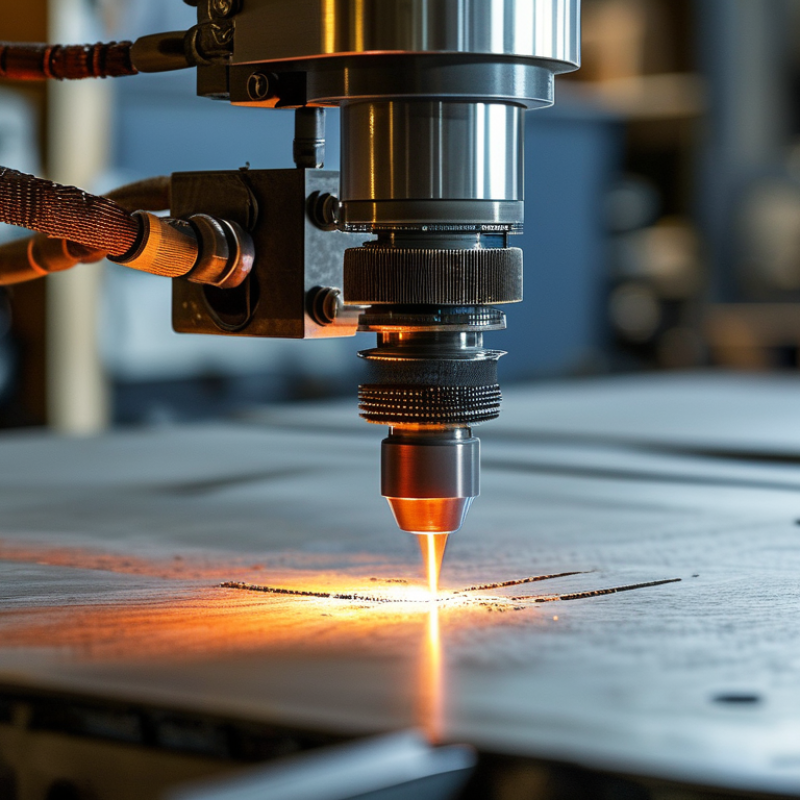
When selecting a laser marking machine for metal, there are key factors to keep in mind. The type of marking technology significantly affects the efficiency and quality of the results. Fiber lasers are often preferred for their ability to engrave deeply and produce clear, precise markings. However, CO2 lasers can also be effective on particular metal surfaces, depending on the application.
Consider the machine's power and speed. A higher-wattage laser machine can operate faster and handle tougher materials. Yet, this doesn’t mean you should always opt for the highest wattage. It’s essential to match the machine's capabilities with your specific requirements. If you frequently mark on soft metals, a lower power might suffice, saving energy and costs.
User-friendliness is another crucial factor. A complicated interface can hinder productivity. Look for machines that offer intuitive software and easy adjustments. The support and warranty from the manufacturer also play roles in reliability. Machines that come with a solid support system can significantly reduce downtimes and unexpected costs. Reflecting on your needs will guide you to the most appropriate choice.
Best Laser Marking Machine for Metal Buying Guide
| Key Factor |
Description |
Importance Rating (1-5) |
| Laser Type |
Fiber lasers are most suitable for metals due to their efficiency and effectiveness. |
5 |
| Marking Speed |
Higher marking speeds can enhance productivity in industrial applications. |
4 |
| Power Output |
Higher wattage allows for deeper engraving and faster marking. |
5 |
| Cooling System |
Efficient cooling prevents overheating, prolonging the machine's lifespan. |
4 |
| Software Compatibility |
User-friendly software is essential for design and control. |
5 |
| Maintenance Requirements |
Regular maintenance ensures optimal operation and longevity. |
4 |
| Safety Features |
Built-in safety features protect users and comply with regulations. |
5 |
Types of Laser Technologies Used in Metal Marking: CO2 vs. Fiber Lasers
Laser marking technology has made a significant impact in the metal fabrication industry. When considering CO2 and fiber lasers, it's crucial to understand the differences in their applications. CO2 lasers operate at longer wavelengths, making them suitable for marking non-metal materials. However, for metal marking, fiber lasers stand out due to their efficiency and precision.
Fiber lasers achieve high energy density, allowing them to create deep and clear marks on metals such as stainless steel and aluminum. According to a 2022 report by the International Journal of Advanced Manufacturing Technology, fiber lasers can mark metals at speeds up to four times faster than CO2 lasers. This efficiency leads to less operational time and improved productivity. In environments where precision is vital, fiber lasers are favored for their capability to deliver intricate designs and text.
Consider your specific needs before purchasing a marking machine. Assess the types of metals you frequently work with. Fiber lasers excel at marking, engraving, and cutting various metal surfaces. Always factor in maintenance; fiber systems generally require less upkeep than CO2 setups. Stay informed about technological advancements. The laser marking field evolves rapidly, and new innovations emerge frequently, impacting performance and cost-effectiveness.
Understanding the Importance of Power and Speed in Laser Marking Machines
When choosing a laser marking machine for metal, two key factors come into play: power and speed. The power of a laser marking machine determines its ability to engrave or cut through different metal types. Higher wattage means deeper and faster engravings. Yet, too much power can lead to burns or excessive heat, damaging the material. Understanding the balance here is crucial.
Speed is equally important. Faster marking speeds increase productivity in a manufacturing setting. However, speed can compromise the quality of the marks, especially on intricate designs. A machine that is exceptionally fast but leaves shallow engravings might not meet industry standards. Finding equipment that accommodates both speed and power can be challenging, as it requires a thorough assessment of specific needs.
Investing in a laser marking machine involves understanding these nuances. Not every application demands the highest power or fastest speed. Some projects may require detailed work that benefits from slower, precise marking. Ultimately, knowing your material and end goals will guide your choice. Consider testing machines to see which settings yield the best results. This exploration is key to making an informed decision.
Evaluating the Cost-effectiveness of Laser Marking Solutions in Industry
When evaluating the cost-effectiveness of laser marking solutions in industry, one must consider several factors. Laser marking machines are often touted for their efficiency and precision. These machines can reduce labor costs and minimize material waste. However, the initial investment can be significant. It's essential to analyze the return on investment over time.
Operational costs should also be evaluated. Maintenance and power consumption play critical roles in overall cost-effectiveness. Many users report unexpected expenses related to repairs. Additionally, the ease of use impacts productivity. Staff training may be necessary, which adds to initial costs.
Lastly, consider the market demand for products marked with lasers. Enhanced branding and traceability can offer competitive advantages. But not every business will benefit equally from these advantages. Careful assessment of specific needs is crucial. Is the high precision worth the cost? Each business should weigh these questions before making a decision.
Common Applications of Laser Marking Machines in Metal Fabrication Industries
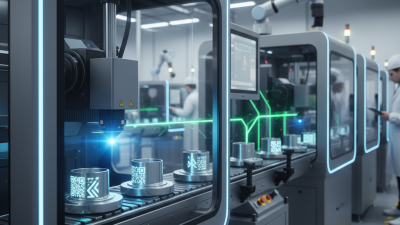
Laser marking machines play a crucial role in metal fabrication. They provide precise identification, branding, and decoration on various metal surfaces. Common applications include marking serial numbers, barcodes, and logos. This technology enhances traceability in manufacturing processes. Many industries, like aerospace and automotive, heavily rely on these machines. Reliable markings prevent mix-ups and improve safety.
In addition to identification, these machines facilitate part customization. They enable intricate designs that can enhance a product's appeal. However, understanding the material is essential. Not all metals react identically to laser marking. Operators must consider factors like metal composition and surface finish. This nuanced approach is vital in achieving high-quality results.
Yet, challenges persist. Misalignment or improper settings can lead to poor quality marks. Regular training and adjustments are recommended. Investing in continuous education about new technologies can improve outcomes. Fabrication companies should also evaluate their needs regularly. Balancing efficiency and quality remains an ongoing task.
Common Applications of Laser Marking Machines in Metal Fabrication Industries