

Choosing a handheld laser welding machine in 2026 is not simply a matter of comparing wattage. A bright display and attractive price can hide weak cooling, limited service support, or unstable beam control. The right machine must match your materials, production rhythm, workshop space, and operator experience. Stainless steel, aluminum, galvanized parts, and thin sheet each respond differently under the beam.
Laser-processing specialist John C. Ion has emphasized, “The laser is a tool, not a process.” That reminder matters here. A powerful source cannot correct poor joint preparation, incorrect shielding gas, or careless parameter settings. Small details matter. A clean seam begins before welding starts.
This guide examines seven leading handheld laser welding machine options for buyers planning purchases in 2026. Each model is considered through practical criteria, including laser power, welding speed, wobble range, cooling design, fiber-cable length, controls, and after-sales support. We also consider portability, because a machine that feels manageable on paper may become tiring after several hours beside a fabrication bench.
Some rankings are necessarily imperfect. Manufacturer data may use different testing conditions, and real results depend on material thickness and operator skill. That uncertainty deserves attention. A machine suitable for repair work may disappoint in continuous production. Another may cost more initially but reduce setup delays and maintenance concerns.
The goal is not to identify one universal winner. It is to help readers compare realistic strengths, limitations, and ownership risks before investing. Proper ventilation, eye protection, guarding, and professional training remain essential with every model reviewed.
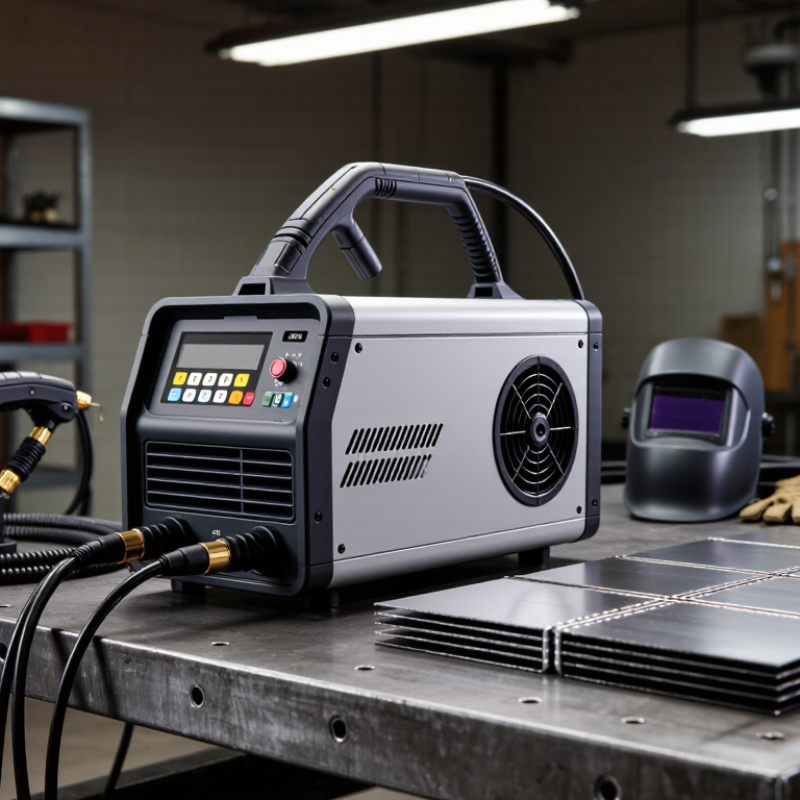
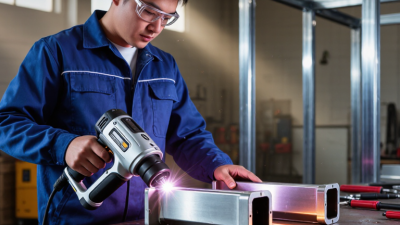
A handheld laser welding machine uses a concentrated beam of light to join metal at a small, controlled area. Its main parts are a laser source, a hand-held welding head, controls, and often a cooling system. The operator guides the head along the joint, while the beam heats and fuses the material. That sounds simple. In practice, steady movement and suitable settings matter. Many machines include adjustable power and wire-feeding options, but their usefulness depends on the metal, thickness, and joint shape.
For example, a technician might join two thin stainless-steel panels, keeping the seam narrow and the surrounding surface relatively cool. A tight fit helps; gaps can make the weld uneven. The first test weld may look neat but still have weak penetration. I would not judge a machine from appearance alone. Check sample joints, inspect both sides where possible, and consider whether settings are easy to adjust during a real task. Results vary with operator skill and preparation.
The beam can injure eyes or skin, including through reflected light. Use the machine only with suitable laser-rated protection and a controlled work area. Fumes also need attention, especially when coatings or surface contaminants are present; effective extraction helps keep the air cleaner. A handheld design offers flexibility, not automatic safety or perfect results. Short practice runs reveal a lot.
| 7 Best Handheld Laser Welding Machines to Buy in 2026 - What Is a Handheld Laser Welding Machine? | ||||||
|---|---|---|---|---|---|---|
| Machine Type | Typical Laser Power | Cooling | Common Materials | Practical Use | Key Advantage | Important Consideration |
| 1. Compact Entry-Level Unit | About 1,000 W | Air-cooled or compact water-cooled system, depending on design | Stainless steel, mild steel, and some thin aluminum applications | Light fabrication, repair work, and short weld runs on thin sections | Lower equipment footprint and simpler setup than higher-power systems | Lower power generally means slower travel speeds and less capacity on thicker joints. |
| 2. General-Purpose Workshop Unit | About 1,500 W | Usually water-cooled | Stainless steel, carbon steel, and aluminum with suitable parameters | Everyday fabrication, enclosures, sheet-metal work, and maintenance | A useful balance of welding speed, penetration potential, and operating cost | Actual results depend on joint fit-up, material grade, shielding gas, and operator technique. |
| 3. Higher-Output Production Unit | About 2,000 W | Water-cooled | Stainless steel, carbon steel, and aluminum | Frequent production work and a broader range of joint thicknesses | More power can support faster welding or thicker work than lower-power units | Requires appropriate electrical supply, cooling capacity, ventilation, and laser controls. |
| 4. Heavy-Duty Fabrication Unit | About 3,000 W | Water-cooled, typically with a larger cooling system | Steel and aluminum components suited to the machine’s process settings | High-throughput fabrication and heavier work within the system’s rated limits | High output can improve productivity on compatible jobs | Higher power increases safety demands; confirm the manufacturer’s thickness and duty-cycle limits. |
| 5. Wire-Feed-Ready Unit | Commonly 1,500–2,000 W | Usually water-cooled | Steel and aluminum, using compatible filler wire where required | Joints with a gap, build-up work, or applications that benefit from added filler | A wire feeder can help bridge gaps and add material to the weld | Wire size, feed speed, material, and laser settings must be matched to the job. |
| 6. Multi-Function Welding and Cleaning Unit | Commonly 1,500–2,000 W | Usually water-cooled | Materials supported by the unit’s welding and cleaning configurations | Shops that need welding plus laser surface cleaning in one platform | Can reduce the need for separate equipment for compatible tasks | Cleaning capability and included accessories vary; cleaning mode is not a substitute for every surface-preparation method. |
| 7. Portable, Job-Site-Oriented Unit | Typically around 1,000–1,500 W | Compact cooling design; check the specified duty cycle | Commonly stainless steel and mild steel, with other materials subject to setup | On-site repair and work where moving a large production system is impractical | Designed for easier relocation and setup in different work areas | “Portable” does not mean cordless or suitable for every site; verify power, cooling, and environmental requirements. |
What is a handheld laser welding machine? It is a laser welding system that directs a concentrated beam through a hand-held welding head to join compatible materials. The specifications above describe common equipment categories, not verified specifications for particular products. Weldable thickness and performance vary with material, joint design, surface condition, shielding gas, settings, and operator skill. Handheld laser welding requires appropriate laser-rated eye protection, controlled access, and compliance with applicable laser-safety rules.