hero image

2026 Best Dot Peen Marking Machine Buying Guide

In 2026, a dot peen marking machine is more than a steel-point tool. It is a traceability link between production, inspection, and service. Every dot must survive oil, heat, vibration, and years of handling. That changes the buying decision. Speed matters, but readable marks matter longer.

Recent research supports this shift. Grand View Research’s 2024 industrial marking equipment analysis identifies automation, permanent identification, and production traceability as major demand drivers. MarketsandMarkets also connects industrial automation growth with stronger data control and process visibility. These reports describe broad market trends, not a guarantee for every factory. That distinction is important. A machine with impressive specifications may still perform poorly on curved parts, hardened steel, or uneven castings.

“Mark quality is only valuable when it remains readable throughout the component’s life,” says Martin Keller, an industrial marking applications specialist at Telesis Technologies. His point deserves practical testing. Buyers should examine needle force, marking depth, controller software, fixture stability, and service response. Ask for samples from your actual material. Test small characters, Data Matrix codes, serial numbers, and angled surfaces. Do not rely only on a showroom plate.

Some choices remain uncomfortable. The cheapest machine may create expensive rework. The fastest machine may sacrifice contrast. A connected controller may improve records, yet increase integration effort. This 2026 buying guide compares those trade-offs clearly. It considers marking speed, accuracy, noise, maintenance, software compatibility, operator training, and total ownership cost. The goal is not to recommend one universal machine. It is to help manufacturers choose equipment that stays dependable after the sales demonstration ends.
2026 Best Dot Peen Marking Machine Buying Guide

What Is a Dot Peen Marking Machine and How Does It Work?

2026 Best Dot Peen Marking Machine Buying Guide

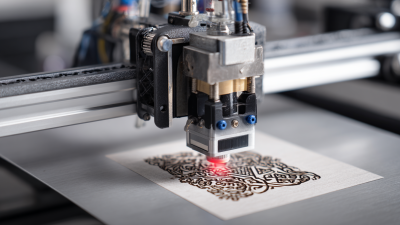
A dot peen marking machine creates permanent marks through controlled impact. An electromagnetic or pneumatic pin strikes the surface repeatedly. Each impact forms one small dot. Software then arranges dots into letters, numbers, logos, or Data Matrix codes. The process works on steel, aluminum, brass, and selected hard plastics. Marking depth depends on pin force, speed, material hardness, and surface finish.

This method suits production lines because it needs no ink or drying time. Marks can remain readable after heat, abrasion, and oily handling. MarketsandMarkets’ 2024 Industrial Marking Machine Market study forecasts approximately 5.7% annual growth through its reported forecast period. The report links demand to automation and product traceability. ISO/IEC 16022 defines Data Matrix symbology, but code quality still depends on contrast, depth, and inspection. A deeper mark is not always better. It may weaken thin parts or distort small cells. That is where real workshop testing matters.

Tips: Test the actual workpiece before buying. Bring curved samples and coated surfaces. Check pin diameter, marking area, noise level, and software compatibility. Ask for a readability test after cleaning and abrasion. Grand View Research’s 2024 industry analysis also identifies automated traceability as a major market driver. Still, reports cannot predict every factory condition. Vibration, operator training, and poor fixturing can reduce consistency. Leave room for adjustment.
Which Materials and Marking Applications Does It Support?

Choosing a dot peen marking machine starts with the material, not the machine’s advertised speed. These systems work best on steel, stainless steel, aluminum, brass, copper, and titanium. They can mark flat parts, curved housings, and coated metal surfaces when the coating is firm and consistent. The carbide pin creates controlled indentations, producing readable characters without ink, labels, or solvents.

Typical applications include serial numbers, production dates, batch codes, logos, and Data Matrix codes. Automotive components often need deep, permanent identification after painting or heat treatment. Tooling, industrial valves, electrical enclosures, and aerospace parts may also require traceability. Marking depth, character size, and surface curvature must match the application. A code that looks clear to the operator may fail under a scanner.

Plastic is more complicated. Hard engineering plastics can accept a light mark, but soft materials may deform or crack. Glass, ceramics, thin sheet metal, and brittle coatings usually require another marking method. Test real samples before purchasing. Include the actual surface finish, hardness, and cleaning process. That matters greatly.

Do not assume maximum force means better results. Excessive pressure can weaken thin parts or distort small codes. From practical testing, consistent pin maintenance often matters as much as machine power. I would also verify readability after vibration, oil exposure, and repeated cleaning. Some early trials look successful, yet their contrast becomes poor months later. That weakness deserves attention before production approval.

2026 Best Dot Peen Marking Machine Buying Guide — Which Materials and Marking Applications Does It Support?
Material Typical Suitability Supported Marking Applications Expected Marking Result Recommended Surface Condition Important Buying Considerations
Carbon Steel and Mild Steel Excellent Serial numbers, QR codes, Data Matrix codes, logos, part numbers, date codes and traceability identifiers. Clear, permanent indented characters with good contrast after painting, coating or oxidation. Flat, curved or slightly uneven surfaces; remove loose scale, heavy rust and oil before marking. Choose a machine with adjustable impact force and marking speed. A carbide stylus is commonly used for general steel applications.
Stainless Steel Excellent Automotive components, pressure equipment, food-processing parts, medical components and product identification. Durable dot-peened characters that remain readable after handling and many finishing processes. Clean, dry and reasonably smooth surfaces provide the most consistent dot geometry. Use controlled impact energy to avoid excessive deformation. For corrosion-sensitive parts, verify that the stylus and cleaning process are compatible with the application.
Tool Steel and Hardened Steel Good to Excellent Dies, molds, cutting tools, bearings, gears and high-wear industrial components. Permanent indentations are possible, but the mark may be shallower on highly hardened surfaces. Machined or ground surfaces are preferred; remove scale and avoid unstable parts. Confirm the machine's maximum material hardness and impact capability. A harder stylus and slower marking speed may be required.
Aluminum and Aluminum Alloys Excellent Vehicle identification, aerospace parts, housings, nameplates, serial numbers and 2D codes. Fast, readable marks with relatively low impact force; excessive force can cause raised edges or distortion. Flat or contoured surfaces are suitable. Painted, anodized or coated parts may require process testing. Use lower impact energy and optimize dot spacing to protect thin walls and cosmetic surfaces.
Copper and Copper Alloys Good Electrical terminals, busbars, connectors, plumbing components and identification of machined parts. Permanent marks are achievable, although soft copper can show wider or less sharply defined dots. Clean, supported surfaces are important, especially for thin electrical components. Use reduced impact force and suitable fixturing to prevent deformation. Test the mark on plated or treated surfaces before production.
Brass and Bronze Good Valves, fittings, instruments, decorative hardware and component traceability. Readable permanent marks with generally good visual quality. Machined, polished or lightly finished surfaces can be marked; remove loose contamination. Adjust force according to alloy hardness and surface finish to avoid excessive dot spread.
Titanium and Titanium Alloys Good Aerospace components, medical implants, oil and gas parts, and high-performance mechanical components. Permanent identification marks with controlled indentation and good durability. Clean, stable surfaces with secure workholding are recommended. Validate marking depth and post-marking requirements for fatigue-critical or regulated components. Avoid unnecessary deep marking.
Nickel-Based Alloys Good Turbine parts, heat-resistant components, energy equipment and industrial machinery. Durable marks are possible, but the material may require higher impact energy or slower marking speed. Stable, clean and well-supported surfaces produce more consistent results. Select a robust marking head with sufficient impact force and verify stylus wear during long production runs.
Cast Iron Good Engine blocks, pump housings, machinery bases, brake components and industrial castings. Permanent marks are generally achievable, although rough cast surfaces may reduce character uniformity. Machined pads or locally smoothed areas are preferred over heavily textured casting surfaces. Use a fixture that prevents vibration. Surface roughness compensation and adjustable marking parameters are valuable.
Zinc and Die-Cast Alloys Good Automotive housings, handles, appliance parts and lightweight mechanical components. Readable marks with low to moderate impact force; deep marks may cause local distortion. Clean, supported and preferably flat surfaces are recommended. Use a low-force setting and test coated or painted parts to confirm adhesion and appearance.
Hard Engineering Plastics Application-Dependent Electrical housings, molded components, industrial tags and traceability of rigid polymer parts. Possible on rigid, dimensionally stable plastics; the mark may be less defined than on metal. Use only on hard plastics that do not crack, melt or rebound excessively under impact. Confirm compatibility through sample testing. Laser or scribe marking may be more suitable for soft, flexible or heat-sensitive plastics.
Painted, Powder-Coated or Anodized Parts Application-Dependent Finished-part identification, asset tracking, serial numbering and code marking after surface treatment. The stylus may displace or penetrate the coating, revealing the substrate or creating a visible indentation. Coating thickness and adhesion must be consistent; avoid loose, brittle or poorly bonded finishes. Decide whether the mark should penetrate the coating. Test for corrosion protection, appearance and coating delamination.
Buying note: Dot peen suitability depends on material hardness, thickness, surface geometry, coating, required mark depth and code readability. Always perform a production-representative sample test before final machine selection. For thin, flexible, brittle or heat-sensitive materials, verify that the impact does not cause distortion, cracking or delamination.

How to Compare Machine Types, Features, and Performance

Choosing the best dot peen marking machine requires more than comparing advertised force or price. Pneumatic systems suit deep marks on steel, while electromagnetic models usually offer cleaner control and lower air dependence. Portable units help with large frames, but integrated machines support faster production. It sounds simple. It is not.

Compare marking depth, pin diameter, stroke speed, character spacing, and controller stability under real conditions. Ask suppliers to mark your actual parts, including curved surfaces, oily finishes, and heat-treated samples. A readable mark at the start of a shift proves little. Measure contrast, repeatability, cycle time, and failure rates after several hours. The World Robotics 2024 report recorded 541,302 industrial robot installations worldwide in 2023, showing why reliable machine integration matters. A marking system should communicate with scanners, PLCs, and production databases without manual re-entry.

Software deserves equal attention. Check user permissions, serial-number rules, audit trails, language support, and offline recovery. The Deloitte and MAPI 2024 Smart Manufacturing Survey found that 86% of manufacturers view smart manufacturing as an important competitiveness factor. However, connectivity can become expensive if the interface is unstable. I have seen buyers focus on speed and overlook fixture rigidity, noise, and pin replacement costs. That is a mistake. Review total cost over three years, including compressed air, calibration, spare pins, training, and rejected parts. A slightly slower machine may win when it produces consistent marks with fewer interruptions.

What Specifications Matter When Choosing a 2026 Model?

In 2026, a dot peen marking machine should be judged by measurable performance, not impressive catalog language.

Start with marking depth, pin force, and stroke control. These specifications determine whether characters remain readable on painted steel, aluminum, or hardened parts. Ask for test marks on your actual material. Test it first. Measure depth with a gauge, then inspect edges under bright, angled light. Excessive force can deform thin panels. Too little force disappears after finishing.

Marking speed matters, but it should not hide poor repeatability. Check characters per second, positioning accuracy, minimum letter height, and the available marking area. For serial numbers, repeatability is often more valuable than peak speed. Also examine the pin material, replacement method, and expected service interval. I once underestimated setup time and lost more production hours than the machine saved. That mistake changed how I compare cycle-time claims.

Controller specifications affect daily reliability.

Look for a clear display, simple file transfer, password control, and automatic date or sequence functions. USB and network options should match your workshop’s security rules. For dusty floors or occasional washdown, verify the enclosure rating instead of guessing from pictures. Noise, power consumption, fixture access, and emergency-stop placement also deserve a hands-on check. Request maintenance records, calibration details, and realistic warranty terms. Cheap support becomes expensive.

How to Evaluate Costs, Maintenance, Safety, and Supplier Support

2026 Best Dot Peen Marking Machine Buying Guide

A low purchase price can hide expensive downtime. Calculate the full cost, including tooling, electricity, air supply, software, and spare parts. A carbide stylus may last months in clean production, but abrasive dust can shorten its life sharply. Ask for realistic lifespan data, not ideal laboratory figures. Our early cost estimate was too optimistic because operator training and fixture changes were overlooked. That mistake is easy to repeat.

Maintenance should be simple enough for daily production staff. Check whether the marking head allows quick stylus replacement and easy cleaning. Review service intervals for guides, cables, and controller components. Safety deserves equal attention. Look for guarded moving parts, clear emergency-stop access, stable workholding, and readable operating instructions. Confirm that the machine can fit your workplace risk assessment and applicable local requirements.

Tips: Request a sample mark on your actual material. Test shallow and deep settings. Measure readability after oil, handling, and light abrasion. Ask suppliers about response times, remote diagnostics, replacement-part availability, and training. A helpful supplier should explain limitations, not promise perfect results. Get support terms in writing. “Fast service” means little without hours, channels, and targets. Also ask who handles software updates. This detail is often missed. Finally, speak with current users if possible, but remember their production conditions may differ from yours.