1101 W. Sanilac Rd. Caro, MI 48723
989.673.6690
Laser etching is no longer limited to premium industrial equipment. It now supports traceability, branding, medical identification, electronics, automotive parts, and customized consumer products. Grand View Research estimated the global laser marking machine market at approximately USD 3.2 billion in 2023. Its report also forecasts an 8.6% compound annual growth rate from 2024 to 2030. That growth reflects stronger demand for permanent, readable marks across complex materials.
Arthur Schawlow, a laser pioneer and Nobel Prize winner, famously said, “The laser is a solution looking for a problem.” Buyers should remember that warning. A laser source alone does not guarantee a good mark. Fiber, CO2, UV, green, diode, and ultrafast systems behave differently on steel, plastic, glass, ceramics, and coated surfaces. Pulse duration matters. So does heat.
Small detail. Large consequence.
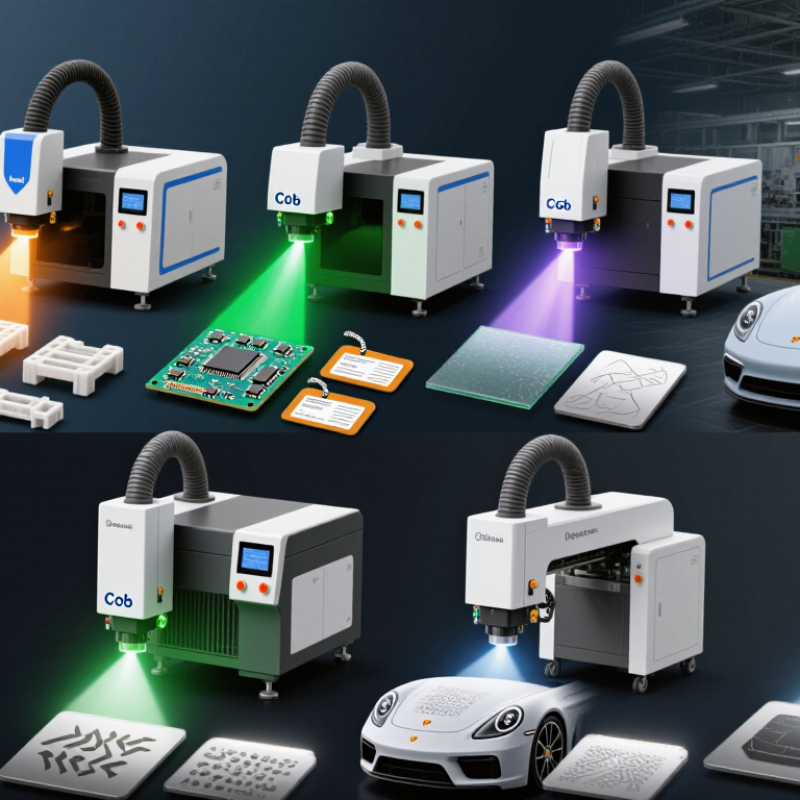
This guide examines ten laser etching types buyers should understand before requesting quotations. It compares wavelength, marking speed, contrast, depth, precision, maintenance, operating cost, and typical applications. ISO 11145 terminology and ISO 11553 laser-processing safety principles provide useful reference points, but factory validation remains essential. A glossy sample can hide warping, residue, weak contrast, or slow production cycles. I have seen specifications look excellent on paper and disappoint under continuous operation. That is an uncomfortable but necessary reflection.
The right purchase depends on the substrate, production volume, mark geometry, compliance needs, and available extraction system. Reliable decisions begin with test pieces, measurable acceptance criteria, and an honest conversation with the equipment supplier.
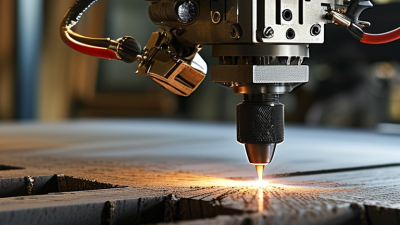
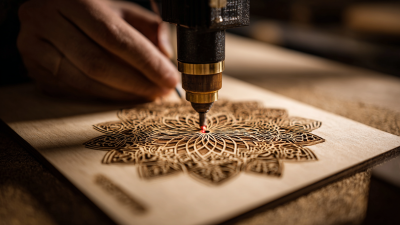
Laser etching removes or changes a very thin surface layer with a focused beam. Unlike deep engraving, it usually creates shallow marks. The result may appear as a dark line, a light contrast, or a controlled texture. The effect depends on the material, coating, wavelength, power, speed, and pulse frequency.
The process starts with digital artwork and material testing. A technician focuses the beam on the surface, then adjusts the scan path and energy settings. The laser moves across the workpiece in measured lines. Heat can vaporize a coating, alter the surface color, or create fine oxidation. Metals, plastics, glass, ceramics, and painted parts may require different laser sources. In my experience, even identical sheets can react differently. Surface oils, grain direction, and small thickness changes matter. The finish is not always perfectly uniform. That is why a test coupon should be marked before production.
Tips: Clean the surface first. Confirm the marking depth and contrast with a physical sample. Check small text under normal viewing distance. Use suitable ventilation when the material may release fumes. Avoid judging quality from a computer preview alone. It can look sharper than the real mark. Buyers should also ask about repeatability, fixture alignment, maintenance records, and inspection methods. A fast machine is not automatically the right machine. The best choice matches the material, required detail, production volume, and acceptable variation.
The Ten Main Laser Etching Types Explained
Laser etching changes a material’s surface through controlled heat or light. Surface etching creates shallow marks on coated metal, plastic, or painted parts. Deep engraving removes more material and leaves a tactile groove. Laser ablation strips coatings without cutting deeply into the base material. Annealing changes metal color while preserving its surface. It works well for readable identification marks.
Color marking uses carefully controlled heat to create contrasting shades. Frosted glass etching produces a soft, white appearance on bottles, panels, and decorative surfaces. Photo engraving converts images into dots with varied density. The result depends heavily on resolution and material tone. 3D relief engraving removes different depths to form raised-looking details. It often requires accurate focus control and several test passes.
Rotary etching keeps cylindrical products turning beneath the laser beam. It suits rings, tubes, and rounded containers. Raster etching fills an image line by line, while vector etching follows precise paths. These ten types can overlap in one project. In production trials, I check focus, speed, power, and material response before full marking. Small changes can alter edge sharpness or contrast. I have also found that a technically correct setting may still look unattractive. Material samples matter more than assumptions. Good operators record successful settings, inspect under normal lighting, and leave room for improvement.
Laser etching results depend heavily on the material beneath the beam. Stainless steel usually produces clean, durable contrast, while aluminum may need controlled power and speed. Plastics behave less predictably because heat can melt, discolor, or warp the surface. Glass often requires careful energy control to prevent rough edges and microcracks.
Surface finish changes the result too. A polished metal surface reflects more light and may create a weaker mark. Brushed or blasted finishes scatter light, often improving visual contrast. Anodized, coated, and painted surfaces can produce sharp removal marks, but coating thickness must remain consistent. Even fingerprints and cutting oil can affect the etching depth.
Small details matter. In production trials, I check a sample from every material batch before approving settings. Power, pulse frequency, focus, and travel speed should be adjusted together, not separately. A deep mark is not always a better mark. Excessive heat can damage edges and reduce readability. I have also seen attractive test samples fail after cleaning or abrasion testing. That mistake is easy to repeat. Measure it properly. Use contrast tests, rub tests, and dimensional checks to confirm performance. When selecting among laser etching types, match the process to the material’s hardness, reflectivity, coating, and intended service conditions. Expect variation, and leave room for another trial.
Top 10 Laser Etching Types Buyers Need to Know
Before comparing ten laser etching types, buyers should define the material, mark depth, line width, and production volume. A polished sample proves little. Real parts may contain oil, curves, coatings, or heat-sensitive plastics.
According to MarketsandMarkets’ Laser Marking Market report, the sector was valued at about USD 3.0 billion in 2023 and may reach USD 4.4 billion by 2028. This growth makes specification discipline more important. Compare wavelength first. Fiber systems suit many metals, while ultraviolet sources often reduce thermal impact on delicate polymers. CO2 systems remain relevant for wood, glass, films, and other organic materials. Pulse duration also matters. Shorter pulses can limit burrs and discoloration, but they may increase equipment cost.
Run a production trial, not a showroom test. Measure cycle time, contrast, depth, edge quality, and rejected parts. Check whether the system maintains accuracy across the full work area. Software flexibility matters too. It should handle serial numbers, data codes, recipes, and traceability without awkward manual steps. Safety features must match applicable machinery standards and workplace procedures.
Look beyond purchase price. Compare lenses, extraction, filters, calibration, spare parts, training, and expected downtime. A low-cost system can become expensive when maintenance is unclear. I would also question optimistic speed claims. They may exclude loading, focusing, inspection, and cleaning. That detail is easy to miss. Request documented test conditions, sample results, and a realistic total-cost estimate before selecting a system.
Laser etching includes several processes, and each suits a different surface or production goal. Surface etching lightly removes material from metals, creating readable marks with minimal distortion. It works well for tools, panels, and serial plates, but shallow marks may fade under heavy abrasion. Deep engraving cuts further into the surface, giving stronger durability for industrial parts. It requires more time, power, and careful heat control. Laser ablation removes paint, anodized layers, or coatings without cutting the base material. This is useful for control panels, but uneven coating thickness can produce inconsistent results.
Annealing changes the color of stainless steel without removing material. It supports clean medical and food-processing identification, although poor settings may create weak contrast. Foaming raises certain plastics, producing bright marks for electrical housings. The result can soften or distort with excessive heat. Carbonization darkens wood, leather, and some polymers, offering attractive contrast but creating smoke and residue. Color marking uses controlled heat to create visible tones on selected metals. Its appearance depends strongly on alloy composition and surface finish. Selective coating removal exposes a contrasting layer beneath, helping labels remain readable. However, thin coatings can peel during cleaning.
Three-dimensional engraving varies depth across a surface, making molds, decorative parts, and relief patterns. It delivers detail, though programming and inspection become more demanding. Mask removal creates precise openings before another finishing step, but alignment errors can spoil an entire batch. In practice, the best method depends on material, thickness, contrast, speed, and cleaning conditions. Test coupons are essential. I have seen attractive samples fail after routine abrasion testing. That limitation deserves attention before production approval.
Common applications, benefits, and limitations of each laser etching and marking method
Relative buyer-guide scores from 1 to 5. Scores summarize commonly reported process characteristics; actual results depend on material, coating, wavelength, power, speed, and focusing conditions.
Applications: Metal panels, tools, nameplates, and product identification.
Benefit: Produces precise, permanent marks with good fine-detail capability.
Limitation: Mark depth and contrast vary with material reflectivity and surface finish.
Applications: Molds, dies, industrial parts, and wear-resistant identification.
Benefit: Creates a recessed mark that remains readable after abrasion or finishing.
Limitation: Requires more processing time and can increase heat input and debris.
Applications: Stainless steel medical devices, food-processing equipment, and precision components.
Benefit: Creates a dark oxide-colored mark without removing material.
Limitation: Mainly suited to suitable metals and may provide limited visual contrast on some alloys.
Applications: Coating removal, electronics, battery components, and selective surface processing.
Benefit: Removes coatings or material with high positional accuracy.
Limitation: Incorrect settings can damage the substrate or create fumes and redeposited debris.
Applications: Engineering plastics, electrical housings, automotive interiors, and consumer products.
Benefit: Generates light-colored, tactile contrast on selected polymers.
Limitation: Results depend strongly on polymer formulation, fillers, and additives.
Applications: Wood, leather, paper, cardboard, and selected organic materials.
Benefit: Produces a dark mark using localized thermal decomposition.
Limitation: Smoke, odor, charring, and heat distortion may require extraction and testing.
Applications: Polymer components, coated metals, packaging, and consumer-product graphics.
Benefit: Can create high-contrast marks without obvious cutting or deep engraving.
Limitation: Requires a compatible pigment, coating, or material chemistry.
Applications: Transparent glass, crystal, and selected optical materials.
Benefit: Creates internal three-dimensional points while keeping the outer surface intact.
Limitation: Limited material compatibility and possible internal cracking or optical distortion.
Applications: Metal surfaces, precision tooling, medical parts, and decorative finishing.
Benefit: Can reduce microscopic roughness and improve surface appearance.
Limitation: It is primarily a finishing process, not a high-contrast identification method.
Applications: Anti-slip surfaces, mold textures, friction control, and functional microstructures.
Benefit: Enables repeatable micro- and macro-scale surface patterns.
Limitation: Pattern development and processing time can be significant for large areas.