
hero image

Why Use a Pallet Banding Kit for Shipping?

A pallet can look secure at the loading dock and still shift during transit. A loose carton, uneven stack, or sudden turn may disturb the load. A Pallet Banding Kit helps hold cartons or bundled goods together with straps, a tensioning tool, and compatible seals or buckles. Simple tools. A more controlled load.

In practical shipping operations, consistent tension matters. Too little can allow movement; too much may crush cartons or damage product edges. The right kit depends on the load’s weight, shape, strap material, and handling conditions. Before shipment, workers should check strap placement, pallet condition, and whether edge protectors are needed. Small checks help.

Banding can improve load stability and make handling more predictable, but it cannot correct poor stacking or a damaged pallet. That distinction is easy to overlook. A kit also needs to suit the team using it: manual tools may fit occasional packing, while frequent shipments may call for faster equipment. Follow the tool and strap manufacturer’s instructions, and train operators to tension and cut straps safely. No setup is perfect for every shipment. Reviewing damaged loads and adjusting the packing method can reveal what needs improvement. Done well, pallet banding is a practical part of a broader shipping process—not a guarantee against transit damage.
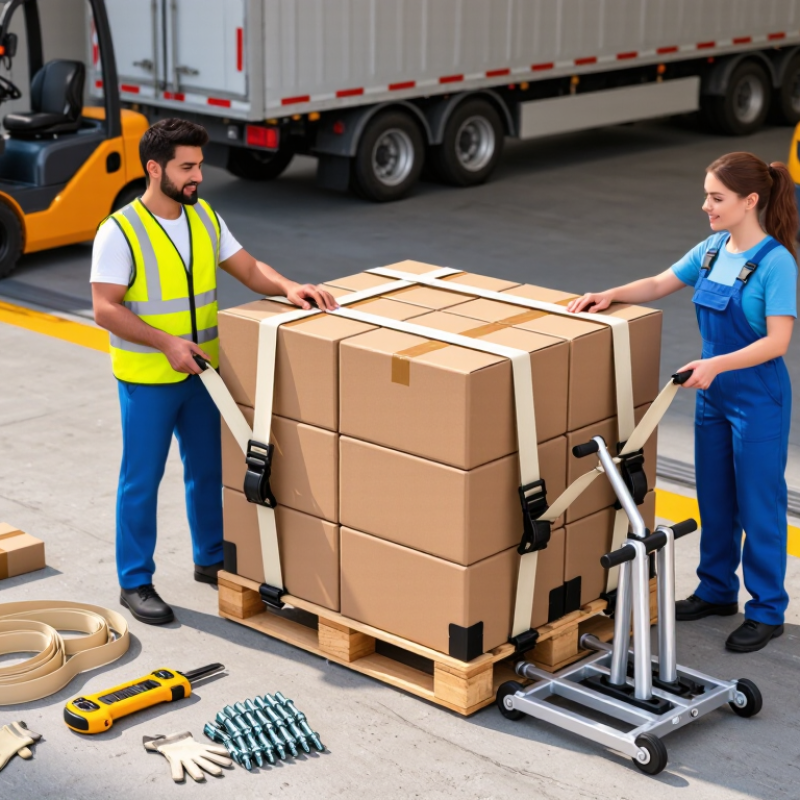
Why Use a Pallet Banding Kit for Shipping?

What a Pallet Banding Kit Is and How It Works

A pallet banding kit contains the tools and materials used to secure a load to its pallet. A typical kit includes plastic or steel strapping, a tensioner, a sealer or buckle, and a cutter. The exact components depend on the strap type and the shipment’s weight. The goal is simple: limit shifting during handling and transit.

To use it, position the strap around the pallet and the load, keeping it flat and away from sharp edges. Feed the strap into the tensioner, then tighten it until the load feels secure without crushing cartons. Fasten the joint with a seal or buckle, depending on the kit, and trim the excess. Repeat with additional bands where needed. A snug fit helps, but excessive tension can dent boxes or damage goods. Banding also works best alongside a stable stack; it cannot fix a poorly arranged load.

Tips: Check that straps sit evenly and do not cross loose corners. Test the load gently before shipping. A small gap may seem harmless, yet it can allow movement. Recheck the setup if cartons settle after packing.

Key Components of a Pallet Banding Kit

A pallet banding kit brings together the tools and materials needed to secure a load for shipping. The strap holds cartons or goods in place, while a tensioner tightens it around the pallet. Check that the tool suits the strap material and width; a poor match can make tensioning difficult or damage the strap.

A sealer or combination tool closes the band, often with a metal seal or a joint made by the tool itself. The right method depends on the kit design. Small parts matter. Keep seals dry and within reach, and use a dispenser to prevent loose strapping from tangling across the floor. A cutter makes trimming cleaner, but cut ends can still be sharp.

Edge protectors sit beneath the strap at vulnerable corners. They spread pressure and help prevent crushed cartons or scuffed surfaces. For uneven loads, corner placement may take a little trial and adjustment. Fit matters. Before dispatch, inspect the strap path, closures, and pallet stability. A kit can simplify packing, but it cannot compensate for an unstable stack or careless tensioning. That part is easy to underestimate.

Why Use a Pallet Banding Kit for Shipping?

Key components help secure a load, protect its edges, and make strapping easier to apply.

Example kit contents: a strap roll, tensioner, sealer, seals, and corner protectors. Actual kit contents and quantities vary by load and supplier.

How to Band a Pallet for Shipping

Why Use a Pallet Banding Kit for Shipping?

How to Band a Pallet for Shipping

Start with a level pallet and a stable load. Align cartons so their edges sit inside the pallet footprint. Check for loose boxes, sharp corners, and gaps that could shift during handling. A banding kit usually includes a dispenser, tensioner, and sealer. Choose strap material and width for the load; a tight strap can still crush cartons. Run the strap around the load and beneath the pallet deck, keeping it clear of fork openings. Tension it until the load feels secure, not distorted, then seal it with the kit’s recommended method. Repeat in the other direction when the load needs cross-banding. It takes a little judgment. Some loads look secure but lean once moved.

Packaging choices matter beyond one shipment. The U.S. EPA’s 2018 Advancing Sustainable Materials Management report estimated that containers and packaging generated 82.2 million tons of U.S. municipal solid waste, or 28.1% of the total. This figure covers packaging broadly, not pallet straps alone. Use only the banding needed to stabilize the load, and follow the strap and tool manufacturer’s specifications. For high-value or unusually shaped freight, test the secured pallet before dispatch. A quick visual check helps, but it does not replace a handling test.

How Pallet Banding Improves Load Stability

A pallet can look secure while cartons still move under braking or vibration. Banding helps hold the load together by applying controlled tension around the pallet and its goods. When a forklift turns or a truck crosses uneven pavement, properly placed straps can reduce shifting and keep the load’s shape intact. Small shifts matter. They can loosen stacked boxes, expose edges, or move weight toward one side.

A pallet banding kit typically includes strapping, a tensioning tool, and a method for securing the strap ends. Apply the bands evenly, and avoid crushing cartons with excessive tension. Corner protectors can spread pressure across vulnerable edges, especially on tall or tightly packed loads. Check that straps sit flat and do not cross sharp corners. For mixed-size cartons, banding may hold the stack, but it cannot fix poor placement or an unstable base. Not by itself. Pair it with suitable wrapping or other load restraint when the shipment needs it, then inspect the pallet after handling. A small gap or slack strap is easy to miss, and worth correcting before dispatch.

Why Use a Pallet Banding Kit for Shipping? - How Pallet Banding Improves Load Stability

Shipping Challenge Banding Approach Typical Kit Components How It Improves Load Stability Practical Consideration
Cartons shift or separate during handling Apply one or more straps around the grouped cartons and pallet load. Strapping, tensioner, seals or a sealless joint tool, and a dispenser. Holds the cartons together as a more cohesive unit during lifting and movement. Keep straps aligned and evenly tensioned; avoid crushing cartons with excessive tension.
Loads move sideways on the pallet Use vertical straps that pass over the load and beneath or around the pallet, where the pallet design permits. Strapping, tensioner, joining tool, and suitable edge protection. Helps connect the load to the pallet and reduce relative movement between them. Check that the strap path does not damage pallet boards, packaging, or the goods.
Stacked cartons lean or spread outward Place horizontal straps around the load at appropriate levels. Strapping, tensioner, seals or a sealless joint tool, and a dispenser. Helps contain the sides of the stack and maintain the load's shape. Use corner or edge protectors when straps could cut into cartons or concentrated edges.
Straps may damage soft or fragile packaging Fit protective corners or edge boards beneath the strap contact points. Strapping, tensioning and joining tools, plus corner or edge protectors. Distributes strap pressure over a wider area and helps preserve package edges. Choose protectors that fit the package and keep the strap from slipping off the edge.
Loads need to be secured quickly and consistently Use a matched kit with compatible strap, tensioning, and joining equipment. Dispenser, compatible strapping, tensioner, and the required sealer or sealless tool. Provides the tools to apply and secure straps consistently across repeated shipments. Confirm tool and strap compatibility, and follow the equipment maker's operating instructions.
Finished pallet loads will travel by road or other transport Band the unit load, then secure it in accordance with the transport and load-restraint requirements. Appropriate pallet-banding kit and any separately required transport restraints. Helps keep products grouped on the pallet during handling and staging. Pallet banding alone does not replace vehicle load securement or applicable safety requirements.

Choosing a Kit for Your Shipping Needs

Why Use a Pallet Banding Kit for Shipping?

Choosing a Kit for Your Shipping Needs

A pallet banding kit helps secure cartons to a pallet and reduce shifting during handling. Choose a kit based on load weight, dimensions, edges, and shipping route—not price alone. Light, uniform loads may suit polypropylene strapping. Heavier loads may need polyester strapping, corner protectors, and a compatible tensioner and sealer. Check strap width, core size, and tool compatibility before ordering. Small mismatch, big delay.

The 2024 MHI Annual Industry Report found that 55% of surveyed supply-chain professionals planned to increase technology investment. This is not a banding-kit statistic, but it highlights the value of equipment suited to real workflows. For frequent shipments, compare manual and battery-powered tools by daily pallet volume, operator training, and maintenance access. For occasional use, a basic hand kit may be more practical. Test the setup on a representative pallet and inspect the strap after handling. Results can vary.

Tips: Measure a finished load and check its weight and sharp corners. Keep spare seals or buckles nearby. Follow the tool maker’s tension limits. Too tight can crush cartons; too loose lets the load move. A small trial can reveal what the spec sheet misses.