What is Welded Wire Mesh and How is it Used?
welded wire mesh is a versatile material widely used in construction and agricultural projects. It consists of steel wires welded together at intersections, creating a strong grid. This durable structure provides essential support for various applications, from reinforcing concrete to enclosing livestock.
Many people overlook the value of welded wire mesh. It's often seen as a basic component, yet it offers significant benefits. For instance, it helps stabilize foundations and prevents soil erosion. Its lightweight nature makes it easy to transport and install, even for DIY enthusiasts. However, some may underestimate its strength and durability, leading to potential failures in critical projects.
Welded wire mesh is not just functional; it's also a cost-effective solution. Constructing fences, making baskets, or building cages are just a few examples. Still, it requires careful handling and installation. Employing improper techniques can result in subpar constructions. Hence, understanding the proper use of welded wire mesh remains crucial for achieving lasting results.
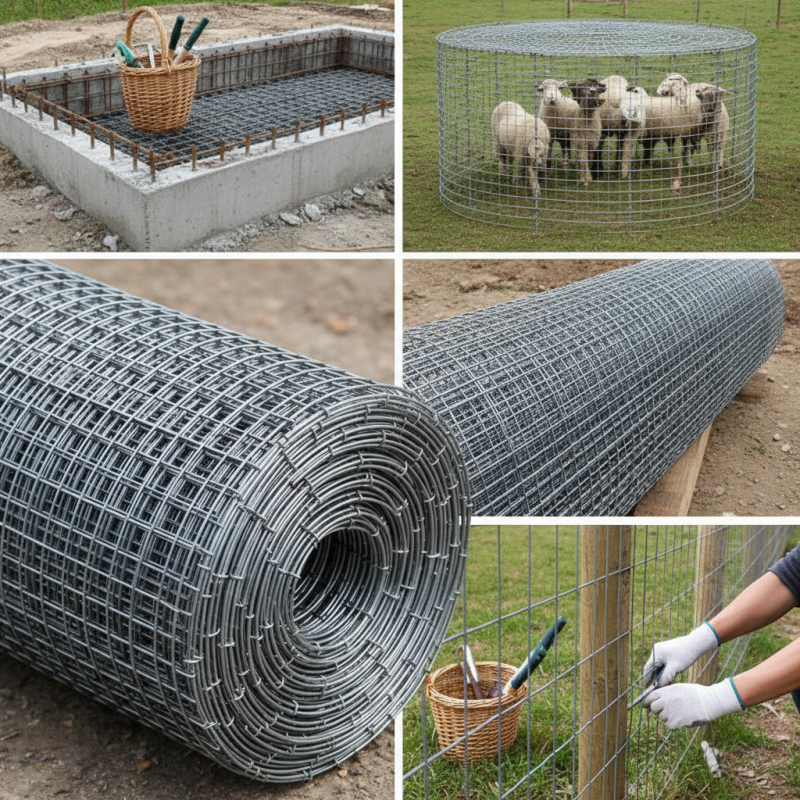
Definition of Welded Wire Mesh and Its Composition
Welded wire mesh is an essential construction material, made from intersecting wires that are welded together at their junctions. The main components include steel wires, usually with a galvanized finish to resist corrosion. The wires are arranged in a grid format, providing strength and support. This simple yet effective design allows for a myriad of applications.
In various construction projects, welded wire mesh is commonly used for reinforcing concrete. It adds stability to structures like slabs, foundations, and walls. The mesh's uniform spacing can contribute to the even distribution of loads. However, it is not always perfect. In some cases, improper installation can lead to issues like cracking or weak points in the concrete.
Moreover, welded wire mesh is also found in agricultural settings. Farmers use it for fencing to keep livestock safe. It can be adjusted to different heights and configurations. However, the mesh may not always hold up against severe weather conditions. Regular maintenance is necessary to ensure its longevity. Despite these considerations, its versatility continues to make it a popular choice in many sectors.
Types of Welded Wire Mesh and Their Specifications
Welded wire mesh plays a crucial role in various constructions. It consists of wires welded together at intersections, creating a strong grid. This grid provides structural support and is widely adaptable.
There are several types of welded wire mesh. One common type is standard welded mesh, often used in concrete reinforcement. It typically comes in different widths and wire diameters, which vary depending on specific needs. Heavy-duty welded mesh serves more robust applications, like fencing and industrial settings. Its thicker gauge enhances strength and durability.
Another significant type is decorative welded wire mesh. This mesh has aesthetic designs for use in architecture or gardening. The openings can be customized in size and shape, which allows for creative applications. Consumers often overlook the importance of specifications. Choosing the right type is vital for performance. Always consider the project’s demands before making a selection.
Welded Wire Mesh Usage Statistics
Common Applications of Welded Wire Mesh in Various Industries
Welded wire mesh is widely used across various industries due to its versatility. In construction, it serves as a reinforcement material, enhancing the strength of concrete structures. According to a report by MarketsandMarkets, the global welded wire mesh market was valued at $5.1 billion in 2020 and is projected to grow at a rate of 6% annually. This shows significant demand in the construction sector.
Agriculture also benefits from welded wire mesh. Farmers use it for fencing and animal enclosures. The mesh helps in protecting crops from pests and wildlife. It provides a durable and cost-effective solution. However, the challenge lies in ensuring the right gauge and spacing for specific applications. Not every mesh type is suitable for every crop or animal.
In the automotive and manufacturing industries, welded wire mesh plays a critical role. It is used in fabrication and safety applications. The mesh is often utilized in production areas to create barriers or storage cages. Yet, some manufacturers overlook quality standards. This can lead to problems with durability and safety over time. The importance of choosing the right steel grade cannot be stressed enough.
Installation Techniques and Best Practices for Welded Wire Mesh
Welded wire mesh is a versatile material used in various construction applications. Its installation requires attention to detail. Proper techniques influence the overall effectiveness of the mesh. According to the American Institute of Steel Construction, up to 60% of structural failures can be attributed to poor installation practices. This highlights the need for diligence during setup.
First, ensure accurate measurements. Incorrect sizes lead to gaps and weaknesses. Use high-quality tools for cutting and adjusting the mesh. Misalignment can compromise the structure’s integrity. When fixing the mesh, appropriate spacing is crucial. Many experts recommend spacing between one and two feet apart. This range helps maintain uniformity and supports load-bearing needs effectively.
Additionally, consider environmental factors. In humid areas, corrosion can be a major risk. Using rust-resistant coatings or paints may be necessary. A recent report indicated that untreated welded wire can lose up to 30% strength in five years in such conditions. Regular inspections should not be overlooked. They can catch issues early and avoid costly repairs later. Installation is not just about placing the mesh; it's about ensuring its longevity and reliability.
What is Welded Wire Mesh and How is it Used?
| Dimension (Inches) | Wire Diameter (gauge) | Mesh Size (Inches) | Material Type | Common Uses |
| 4 x 8 | 12 | 2 x 2 | Carbon Steel | Construction and Reinforcement |
| 5 x 10 | 10 | 2 x 4 | Stainless Steel | Agricultural Fencing |
| 3 x 6 | 14 | 1 x 1 | Galvanized Steel | Home DIY Projects |
| 4 x 10 | 16 | 4 x 4 | PVC Coated | Garden and Landscaping |
Maintenance and Longevity of Welded Wire Mesh Products
Welded wire mesh is widely recognized for its durability and versatility. However, maintenance plays a critical role in ensuring its longevity. Regular inspections can prevent small issues from escalating. According to industry reports, failing to maintain welded wire mesh products can reduce their lifespan by up to 30%. Rust and corrosion are common threats. Applying a protective coating can mitigate these risks but requires periodic reapplication.
Cleaning practices also affect longevity. Using pressure washers can remove debris, but care is necessary to avoid damaging the mesh. Improper cleaning can lead to premature wear. Industry data suggests that more than 40% of users neglect routine cleaning, leading to potential structural failures. This is a major oversight that can be easily avoided.
Environment matters too. In coastal areas, the salt can accelerate corrosion. Choosing materials suited to the environment is essential. Some users may overlook environmental factors, resulting in unnecessary replacements. Understanding these maintenance aspects can significantly extend the life of welded wire mesh products.