What is Water Analysis Instrument and Why is it Important?
Water Analysis Instrument plays a vital role in ensuring water quality and safety. With increasing pollution levels and environmental concerns, accurate water analysis has never been more critical. These instruments help detect contaminants, providing essential data for public health and environmental protection.
Proper functioning of these instruments requires expertise. Skilled professionals must interpret the data accurately. Misinterpretation can lead to severe consequences, including health risks. Water Analysis Instruments are not foolproof; they need regular maintenance and calibration for reliable results.
Awareness of equipment limitations is crucial. Some instruments may not detect all pollutants. Continuous improvement in technology is needed. By understanding the importance of a Water Analysis Instrument, society can better navigate water safety challenges. Ultimately, these tools empower communities to make informed decisions about their water sources.
Definition of Water Analysis Instrument
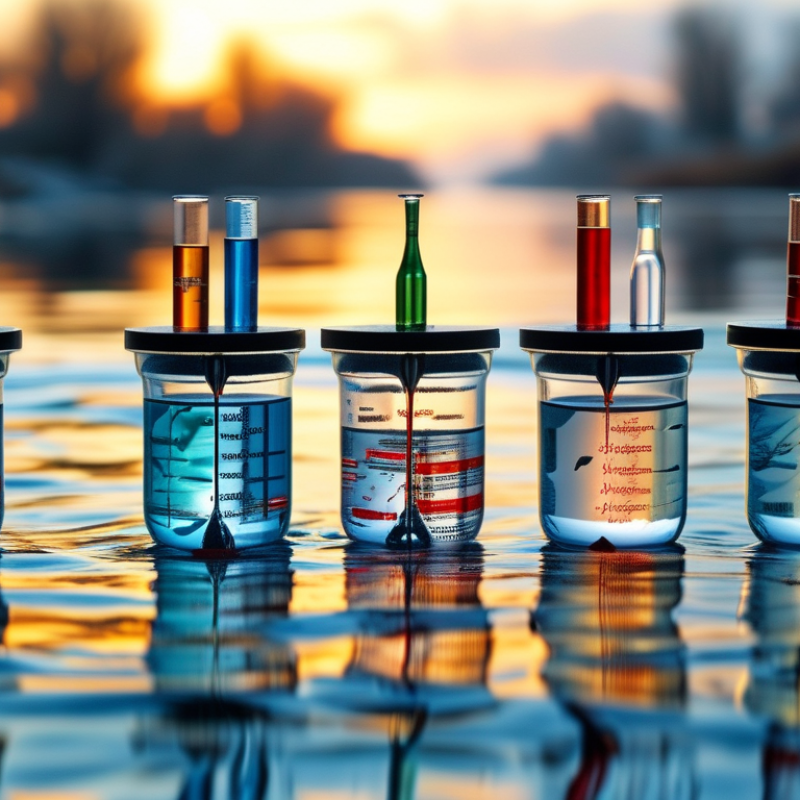
Water analysis instruments are essential tools used to assess the quality of water. These instruments measure various parameters, such as pH, turbidity, and dissolved oxygen levels. Understanding water quality is vital for both environmental and public health. Contaminated water can lead to serious health issues. Thus, regular and accurate water analysis becomes crucial.
These instruments offer precise measurements that help identify pollutants. For example, a colorimeter can detect the concentration of certain chemicals in the water. In industrial processes, maintaining proper water quality is necessary for safety and efficiency. Furthermore, water quality monitoring aids in compliance with regulations. It provides data that can guide decision-making in environmental protection.
While the technology has advanced, challenges remain. Not all water analysis instruments are equally effective in every scenario. Some may require frequent calibration, which can be tedious. Additionally, the interpretation of results can sometimes lead to miscommunication. This highlights the importance of training for personnel using these instruments. It is not just about the tool; expertise is essential in ensuring accurate assessments.
Water Quality Parameters Analysis
Types of Water Analysis Instruments
Water analysis instruments play a crucial role in monitoring water quality, essential for various sectors. Different types serve specific needs. For instance, pH meters accurately measure acidity or alkalinity. These instruments can detect harmful levels of pollutants. According to a report by the Environmental Protection Agency (EPA), even low levels of contaminants can pose serious health risks.
Turbidity meters are another vital tool. They measure cloudiness in water caused by suspended particles. High turbidity indicates potential pathogens or hazardous substances. A study published in the Journal of Water Supply Research found that over 30% of water samples from urban areas exceeded safe turbidity levels. This highlights a need for consistent monitoring.
Dissolved oxygen meters are essential for aquatic health. They quantify oxygen in water, critical for fish and other aquatic life. Low levels can lead to ecosystem collapse. A recent survey by the World Health Organization (WHO) found that many water bodies worldwide suffer from decreasing oxygen levels. Using these diverse instruments ensures water safety and promotes public health. Continuous water quality assessment cannot be overstated.
Applications of Water Analysis Instruments
Water analysis instruments play a crucial role in various applications across industries. These tools are essential for monitoring water quality, crucial for agriculture, drinking water, and environmental protection. According to a report by the Water Quality Association, over 30% of U.S. households use some form of water treatment system, highlighting the importance of testing for contaminants. Accurate measurement of parameters like pH, turbidity, and dissolved oxygen can reveal the health of aquatic ecosystems.
In industrial settings, these instruments ensure compliance with environmental regulations. For instance, the EPA mandates regular testing for heavy metals and pollutants in wastewater. Non-compliance can lead to fines exceeding $10,000 per day. Many facilities use portable water test kits for on-site assessments, which can provide immediate feedback. However, the reliability of these instruments depends on calibration and operator training, a factor that sometimes gets overlooked.
In agricultural applications, water quality directly impacts crop yield and soil health. A study by the USDA indicated that around 50% of irrigation water could be unsafe for crops due to contamination. Farmers are increasingly adopting advanced sensors to monitor salinity and nutrient levels in water sources. Nevertheless, investment barriers still exist, limiting access for smaller farms, potentially leading to inequitable resource distribution in rural areas.
Importance of Water Quality Analysis
Water quality analysis plays a crucial role in safeguarding public health and protecting ecosystems. Clean water is essential for drinking, agriculture, and industry. Contaminated water can cause serious health issues, including waterborne diseases. Monitoring water quality ensures that we identify contaminants early. Regular testing helps communities avoid potential crises.
Understanding pollution sources is equally vital. Factories, agricultural runoff, and urban waste can contribute to water contaminants. By analyzing water quality, we can pinpoint these sources. This information allows for targeted action to reduce pollution. Communities can implement better waste management practices. Improved regulations can follow as well.
The reliability of water analysis instruments is key. They provide accurate results that guide decision-making. However, not all methods are foolproof. Some may deliver inconsistent results. Training personnel on proper testing techniques is essential. Users must also stay updated on new technologies. With awareness, society can strive for better water quality and a healthier environment.
Future Trends in Water Analysis Technology
Water analysis technology is evolving quickly. New instruments are emerging to make testing more accurate and efficient. Smart sensors, for example, are gaining popularity. These devices can collect real-time data, helping us monitor water quality continuously. This trend increases the reliability of water testing methods.
Moreover, artificial intelligence is changing water analysis. AI can analyze large sets of data faster than any human. This allows for quicker decision-making in water management. With machine learning, systems can identify contamination patterns effectively. But, there are challenges. Not all facilities can afford advanced technology. Training staff to use these tools is also essential.
As technology progresses, the focus is shifting to sustainability. Innovative methods for sample collection and analysis reduce waste. Portable devices are becoming more common, enabling testing in remote locations. Still, balancing technology with ecological concerns remains a challenge. We must reflect on the implications of these advancements for the environment.