What is Vacuum Insulation Board and How Is It Used?
Vacuum Insulation Board (VIB) is transforming the insulation industry with its superior thermal performance. According to Dr. Emily Hart, a leading expert in building materials, "Vacuum Insulation Boards deliver unmatched efficiency for modern construction." This innovative material utilizes a vacuum-sealed space to minimize heat transfer, making it essential for energy-saving applications.
The construction of VIB involves complex engineering, ensuring the boards remain lightweight yet effective. They are commonly used in walls, roofs, and floors, providing significant insulation benefits. However, the manufacturing process requires precision, which sometimes leads to inconsistencies in product quality. Additionally, while VIBs can improve energy efficiency, their upfront costs may deter some developers.
Exploring the practical uses of Vacuum Insulation Boards reveals their necessity in sustainable building practices. With rising energy costs and increasing environmental awareness, architects and builders are drawn to these boards. Despite their advantages, the technology still needs refinement to be more accessible and affordable. The journey of understanding and implementing Vacuum Insulation Boards continues to evolve, highlighting both their potential and the challenges faced in the industry.
What is a Vacuum Insulation Board?
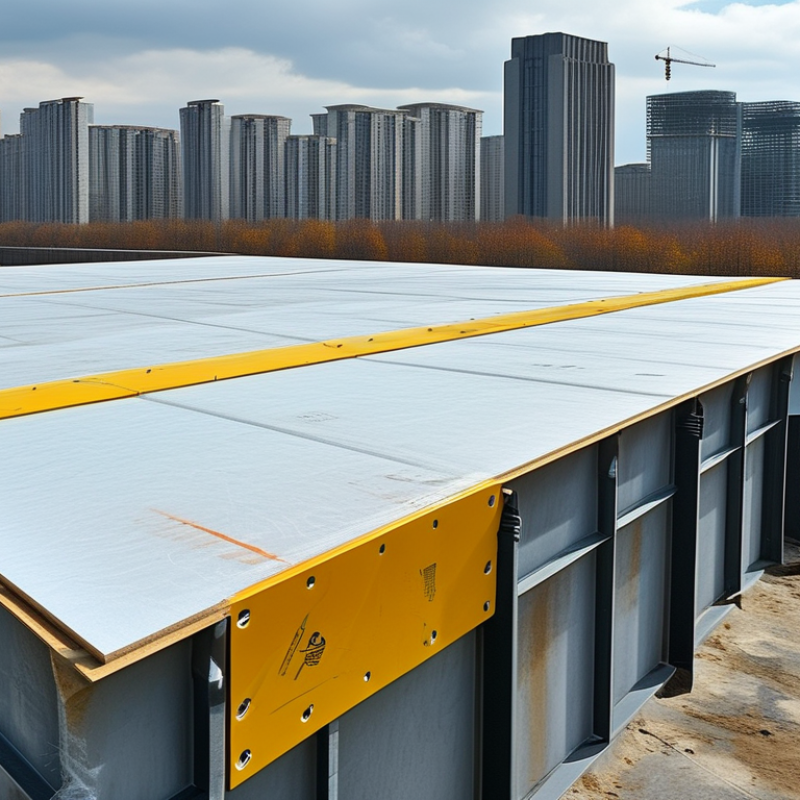
Vacuum Insulation Board (VIB) is a high-performance insulation material widely used in construction and refrigeration. It is created by enclosing a core of insulation material within a rigid casing and removing the air, forming a vacuum. This process significantly reduces thermal conductivity, making VIB one of the most effective insulators available today.
Using VIB can significantly enhance energy efficiency in buildings. For instance, walls outfitted with VIB can maintain temperature more effectively. These boards are also very thin, which makes them ideal for space-constrained applications. However, they are sensitive to physical damage. Even a small puncture can diminish their insulation capabilities.
Tip: Always handle VIB with care during installation. Using gloves can prevent damage from fingerprints or cuts.
In refrigeration, VIB helps keep food fresh for longer by maintaining low temperatures. This is crucial in reducing energy costs in commercial kitchens. Yet, one downside is that VIB is often more expensive than conventional insulation materials.
Tip: Evaluate the long-term savings on energy before choosing insulation types. Sometimes, a higher upfront cost can lead to better value over time.
VIB undoubtedly offers advanced insulation properties. However, its limitations should be carefully considered during a project. Ensuring proper installation can yield excellent results while minimizing potential drawbacks.
The Structure and Composition of Vacuum Insulation Boards
Vacuum insulation boards (VIPs) are innovative materials known for their exceptional insulating properties. They consist of a core rigid foam, sealed within a vacuum. This structure minimizes heat transfer, making VIPs highly effective in various applications. The central foam serves as the thermal insulation, while the vacuum layer acts as a barrier to prevent conductive and convective heat loss.
The composition of VIPs often includes layers of materials like silica, polyisocyanurate, or polystyrene, chosen for their insulating capabilities. The vacuum creates an environment lacking air, which reduces heat conduction significantly. Each element plays a role in maintaining performance standards. However, their production involves complex processes that require caution, as it's easy to compromise quality.
Challenges in installation can also arise. While VIPs offer superior insulation, they demand precise handling to avoid damage. Improper installation may lead to decreased efficiency. Understanding the limitations of VIPs is essential for designers and builders aiming to optimize thermal performance. Such insights ensure that vacuum insulation boards meet practical needs effectively.
Vacuum Insulation Board Thermal Conductivity Comparison
Benefits of Using Vacuum Insulation Boards in Construction
Vacuum Insulation Boards (VIBs) are emerging as a superior choice in the construction industry. Their unique construction features a vacuum layer between two rigid panels, providing exceptional thermal resistance. This results in thinner, more efficient insulation compared to traditional materials. Architects and builders are increasingly turning to VIBs to meet energy-saving goals while maximizing usable space.
Using Vacuum Insulation Boards contributes significantly to energy efficiency. They can greatly reduce heating and cooling costs. This is particularly beneficial in climate-sensitive regions where energy bills can soar. However, installation requires careful handling. The boards are fragile, and improper techniques can compromise their effectiveness. Such challenges pose a risk in project management.
Moreover, the environmental impact of materials is a growing concern. While VIBs can enhance energy performance, their production involves complex processes. This warrants reflection on a balanced approach to material selection. The benefits are clear, but sustainability and resource conservation must remain priorities in construction practices. The integration of VIBs into projects should be done judiciously, considering both their advantages and the potential drawbacks.
Common Applications of Vacuum Insulation Boards
Vacuum Insulation Boards (VIBs) are becoming increasingly popular in various sectors. Their exceptional thermal performance makes them ideal for temperature-sensitive applications. In the construction industry, VIBs are widely used to enhance energy efficiency. They can be incorporated into walls, roofs, and floors, providing superior insulation compared to traditional materials. This results in reduced energy consumption for heating and cooling.
Another significant application is in refrigeration. VIBs are utilized in the design of high-performance refrigerators and freezers. The boards improve insulation without adding excessive thickness, allowing for slimmer designs. This is especially vital in urban settings where space is limited. Industrial manufacturers often face challenges when incorporating insulation seamlessly, but VIBs offer a viable solution.
In the realm of packaging, VIBs protect sensitive products during transportation. They maintain stable temperatures, ensuring that goods like pharmaceuticals and electronics remain in optimal conditions. Though they offer remarkable advantages, certain limitations exist. The initial cost can be higher than that of conventional materials. Additionally, proper installation is crucial for achieving maximum efficiency. Failure to do so can lead to reduced thermal performance, highlighting the importance of expertise in the application of VIBs.
What is Vacuum Insulation Board and How Is It Used? - Common Applications of Vacuum Insulation Boards
| Application Area | Description | Temperature Range (°C) | Thickness (mm) | Thermal Conductivity (W/mK) |
| Building Insulation | Used in walls, roofs, and floors to reduce heat loss. | -50 to +100 | 20-50 | 0.004-0.008 |
| Refrigerators | Enhances energy efficiency by reducing energy consumption. | -40 to +60 | 20-30 | 0.003-0.007 |
| Transportation | Used in containers for transporting temperature-sensitive goods. | -30 to +80 | 30-50 | 0.004-0.008 |
| Cryogenic Applications | Insulation for tanks and pipelines carrying cryogenic liquids. | -196 to +25 | 15-30 | 0.001-0.005 |
| Marine Applications | Insulation in ships to maintain temperature and reduce energy costs. | -20 to +60 | 20-40 | 0.005-0.007 |
Installation and Maintenance of Vacuum Insulation Boards
Vacuum insulation boards (VIBs) are highly effective for thermal insulation. Their installation requires careful planning and precision. Start by assessing the area where you plan to install the boards. Consider factors like surface material and moisture levels. A clean, dry surface is crucial for optimal adhesion. Use appropriate tools for cutting VIBs, ensuring they fit snugly into designated spaces.
Maintenance of vacuum insulation boards is essential to keep them effective. Regularly check for any signs of wear or damage. Small punctures can drastically reduce their effectiveness. If you notice any issues, it's better to replace the affected section. Over time, the efficiency of the insulation can decrease. Stay aware of changes in temperature control in your space. This may indicate issues with the boards.
When dealing with VIBs, some challenges may arise. Proper installation is not always easy, especially in irregularly shaped areas. Mistakes can lead to poor insulation performance. It's also crucial to consider environmental factors. Regular evaluations can help in identifying when maintenance is necessary. Continuous learning from past installations can lead to better outcomes in future projects.