How to Use Polyurethane Expanding Foam for Maximum Insulation?
Polyurethane Expanding Foam is a versatile material used in insulation projects. Its unique properties make it an excellent choice for sealing gaps and improving energy efficiency. This article explores effective ways to use Polyurethane Expanding Foam to achieve maximum insulation benefits in your home or workspace.
Understanding the application of Polyurethane Expanding Foam is crucial. While it expands and fills spaces, improper use can lead to challenges. For instance, overshooting the required amount may create messy overflow. It’s essential to practice precision during application. Consider surveying the area thoroughly to identify all gaps needing insulation.
Furthermore, safety is a significant factor when working with this foam. Proper ventilation and protective gear should not be overlooked. As experts suggest, even minor oversights can lead to long-term issues. In the next sections, we will delve into practical techniques and tips for utilizing Polyurethane Expanding Foam effectively. Through careful application and attention to detail, you can maximize insulation while ensuring structural integrity.
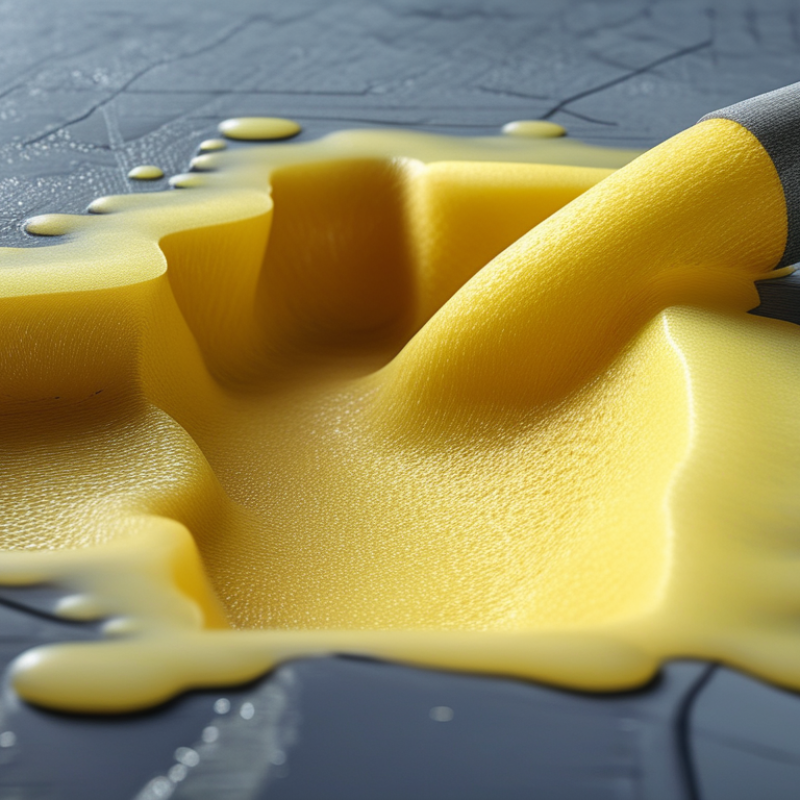
Understanding Polyurethane Expanding Foam: Types and Properties
Polyurethane expanding foam is a versatile insulation material with various types designed for different applications. It’s essential to understand the properties of each type before using it for maximum effectiveness. There are two main categories: open-cell and closed-cell foams. Open-cell foam is lighter and provides soundproofing, making it suitable for interior use. Closed-cell foam is denser and offers better moisture resistance, ideal for exterior projects.
When applying polyurethane foam, consider the environment. Temperature can affect the foam’s expansion. It is best to apply it in moderate conditions. Be aware that application may not go perfectly. Over-expansion can create messiness, so use in small amounts initially.
Tips: Always wear protective gear like gloves and goggles when handling foam. This helps prevent skin irritation. Test the spray in a small area first. This can help you gauge the foam’s expansion and adhesion. Remember, controlling the amount applied can lead to a cleaner finish. Regularly check the foam’s application for gaps or inconsistencies. A little attention can yield significant improvements in insulation quality.
How to Use Polyurethane Expanding Foam for Maximum Insulation?
| Property | Details |
| Type | Two-Component Foam |
| Density | 0.5 to 3.0 lb/ft³ |
| Thermal Conductivity (k-value) | 0.020 to 0.025 W/m·K |
| R-Value per Inch | 6 to 7 |
| Expansion Ratio | Up to 30:1 |
| Applications | Sealing gaps, insulation of walls, roofs, and floors |
| Curing Time | 30 minutes to 2 hours |
| Fire Rating | Class 1 or Class A depending on treatment |
Benefits of Using Polyurethane Foam for Insulation Purposes
Polyurethane foam is a popular choice for insulation because it offers numerous benefits. One of its primary advantages is its high R-value. This means it provides excellent thermal resistance, reducing energy costs significantly. When applied correctly, it can create an effective barrier against heat transfer. This makes your home more comfortable year-round, whether it's cold or hot outside.
Another benefit is the foam's ability to expand. It fills gaps and cracks easily, sealing off areas where air leaks can occur. This helps eliminate drafts. On a practical level, using this foam means less reliance on traditional insulation materials. It’s lightweight and easy to apply, which saves time and effort. However, users should be cautious during application. Overspray can create an unnecessary mess, requiring careful cleanup.
The foam also contributes to soundproofing. It absorbs sound well, making spaces quieter. However, not all areas benefit equally from this. Evaluating where to use it is essential. Moreover, while foam insulation is durable, it can deteriorate over time if improperly installed. Ensuring the right conditions and methods during application is crucial for optimal performance.
Step-by-Step Guide to Applying Polyurethane Expanding Foam
Applying polyurethane expanding foam requires careful preparation and technique. Start by measuring the area you plan to insulate. Clean the surface thoroughly to ensure proper adhesion. An industry report highlights that proper surface preparation can increase insulation efficiency by up to 30%. Select the right foam type for your project. Different applications may require varying densities and qualities to maximize insulation.
Next, wear protective gear. Expanding foam can be harmful if it contacts skin or eyes. Use gloves, goggles, and a mask. Shake the canister well before use. Apply the foam evenly. A common mistake is overfilling, which can create excessive pressure and lead to messy results. According to the U.S. Department of Energy, expanding foam can provide an R-value of 6 to 7 per inch, significantly enhancing thermal performance when applied correctly.
After application, allow the foam to cure fully. It typically takes 24 hours, but this can vary. Monitor temperature and humidity for optimal curing conditions. Once cured, trim any excess foam carefully. Regularly inspect the insulation and address any cracks or gaps. Ultimately, successful application hinges on attention to detail and understanding the limits of your materials.
Best Practices for Achieving Maximum Thermal Resistance
When using polyurethane expanding foam for insulation, attention to detail is crucial. Selecting the right type of foam and applying it correctly can greatly impact thermal resistance. Begin with clean surfaces. Dirt and debris hinder adhesion. Ensure that the area is dry before application.
It is essential to wear protective gear. Foam can stick to skin and clothing, making it difficult to remove. Additionally, proper ventilation is important. Expanding foam emits fumes that can be harmful if inhaled. Keep the workspace well-ventilated during the process.
Tips: Allow the foam to expand fully to achieve the best insulation properties. If any foam escapes the intended area, trim it back once it has cured. Monitor temperatures during application as extreme cold or hot conditions can affect performance. Even small discrepancies in application can lead to gaps, resulting in poor insulation. Ensure to smooth and shape the foam after curing for an even surface.
Pay attention to any imperfections in your application. Re-evaluating these areas can lead to better insulation performance in future projects. Improving your technique over time allows for more beneficial results.
Safety Considerations and Environmental Impact of Foam Insulation
When considering polyurethane expanding foam for insulation, safety and environmental impact are crucial. The foam releases chemicals during application, which can pose health risks. It is essential to wear protective gear, including gloves and masks. Ventilate the area to reduce inhalation of fumes. Even minor exposure can cause irritation or long-term health issues. A cautious approach can minimize these risks.
The environmental impact of foam insulation is also significant. The production of polyurethane foam involves petroleum-based materials. This contributes to greenhouse gas emissions. Disposal of leftover foam can be challenging since it is not biodegradable. Proper disposal methods are essential to prevent environmental damage. Recycling options are limited, making it vital to consider alternatives when planning insulation needs. Awareness of these factors promotes responsible use of polyurethane foam for insulation while ensuring safety and minimizing environmental harm.