
1101 W. Sanilac Rd. Caro, MI 48723
989.673.6690
Tungsten Carbide Welding Rods are specialized hardfacing materials designed to protect metal surfaces from severe abrasive wear. They combine a steel or nickel-based matrix with extremely hard tungsten carbide particles. When applied correctly, these particles create a tough, wear-resistant layer on working edges and contact surfaces. The result is not ordinary welding strength. It is longer service life under demanding conditions.
Technicians use these rods on mining tools, agricultural blades, construction equipment, and recycling machinery. A worn auger flight, crusher tooth, or mixer paddle can receive a carefully placed carbide layer. In mining, crushed rock can quickly damage unprotected steel. On farms, soil and sand create a slower but persistent cutting action. Recycling equipment faces another challenge: mixed materials produce unpredictable wear. The right rod can reduce replacement frequency, but it cannot repair every type of damage.
Surface preparation matters. Poor cleaning causes weak bonding. Excessive heat can damage the carbide structure or distort the base metal. Experienced welders therefore control torch movement, joint temperature, and bead placement. Rod diameter, carbide size, and matrix composition also require attention. A common mistake is choosing the hardest product without considering impact resistance. Hardness alone may lead to chipping. This article explains what Tungsten Carbide Welding Rods are used for, how they perform in different industries, and what practical factors influence their results. It also examines their limitations. That caution matters. Product descriptions can sound similar, while actual performance depends on equipment, technique, and working conditions.
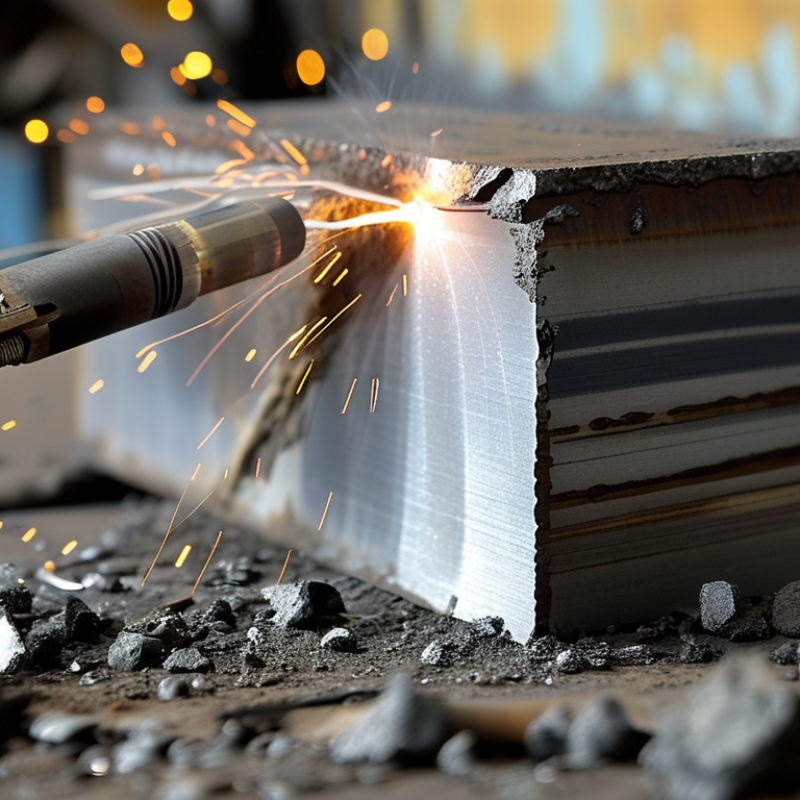
Tungsten carbide welding rods are used to protect metal surfaces from severe abrasive wear. They are common on crusher teeth, drilling tools, mixer blades, rock buckets, and cutting edges. The deposited layer forms a hard, wear-resistant surface that helps equipment operate longer between repairs.
Tungsten carbide rod composition typically contains 60–70% WC particles. These particles provide the main hardness and cutting resistance. A metallic binder, often based on nickel, cobalt, or iron, holds them together during application. Particle size also matters. Coarse grains suit heavy impact, while fine grains create a more even protective layer. The balance is not universal. A rod that performs well in dry rock may wear differently in wet slurry. That detail is sometimes overlooked.
Tips: Clean oil, rust, and moisture from the base metal before welding. Keep heat controlled, because excessive heat can dissolve carbide particles or create cracks. Apply a steady layer instead of building one thick ridge. Inspect the finished surface for exposed steel, loose particles, and uneven bonding. In field repairs, operators sometimes focus only on hardness. That can be a mistake. Impact, temperature, and abrasive material must also guide rod selection. Testing a small section first is sensible, even when the specification appears suitable.
Tungsten carbide welding rods are used for hardfacing surfaces exposed to severe abrasion. Common applications include drill components, crusher teeth, mixing paddles, agricultural tools, and wear plates. Their main advantage comes from tungsten carbide particles dispersed through a weldable metal matrix. With hardness commonly reported around 1,600–2,000 HV, WC particles resist scratching and gradual material loss. That hardness is not magic. The exact result depends on carbide size, particle distribution, binder composition, and welding conditions.
In practical workshop use, these rods can rebuild or protect edges that repeatedly contact sand, rock, slag, or mineral particles. A technician may apply a controlled layer over a cleaned steel surface, keeping heat input moderate. The carbide particles create hard barriers against abrasion. The surrounding weld matrix supports them and helps absorb limited impact. This combination can extend service intervals and reduce frequent part replacement. It is useful in harsh environments.
However, extreme hardness does not guarantee perfect performance. A coating that survives sliding abrasion may crack under heavy impact. Poor surface cleaning can cause weak bonding. Excessive heat may dissolve or damage carbide particles. I would not select a rod by HV alone. Temperature, impact, dilution, carbide geometry, and base-metal condition also matter. Test coupons are valuable before production work begins. That small step can reveal cracking, uneven deposition, or insufficient adhesion before costly equipment is returned to service.
Tungsten carbide welding rods are mainly used for hardfacing surfaces exposed to severe abrasion. Common targets include excavator teeth, crusher parts, drill tools, and agricultural wear edges. In practice, these are usually brazing rods, not conventional fusion-welding rods. A steel base receives the carbide, while a copper-based filler bonds the joint. The carbide particles then form a tough, wear-resistant working surface.
That distinction matters. Carbide itself can crack when overheated. Oxyacetylene welding applies controlled flame heat, often with a neutral flame and suitable flux. The operator heats the steel evenly, melts the filler, and avoids directly melting the carbide. Small details matter: clean steel, correct spacing, steady torch movement, and gradual cooling. I have seen rushed heating produce a sound-looking repair that failed under impact. That result deserves more skepticism.
The U.S. Geological Survey’s Mineral Commodity Summaries 2025 estimated global tungsten mine production at about 81,000 metric tons in 2024. Industry reporting from the International Tungsten Industry Association places cemented carbide above half of global tungsten consumption. These figures explain the material’s industrial importance, but they do not guarantee every repair will last. Rod selection must match impact, abrasion, temperature, and the parent metal. Oxyacetylene remains useful for field work, though flame control is less forgiving than many technicians expect.
Tungsten carbide welding rods are commonly used for hardfacing wear-prone surfaces. During brazing or oxyacetylene application, carbide particles are bonded to a steel or alloy surface to improve resistance to abrasion, impact, and erosion.
The chart shows representative temperatures associated with joining and applying tungsten carbide rods. Silver-based brazing fillers generally melt at lower temperatures than brass-based fillers, while an oxyacetylene flame can reach approximately 3,200°C. Tungsten carbide is not normally melted during hardfacing; it remains as a wear-resistant phase while the bonding alloy flows around it.
Mining, Oil, Recycling, and Agriculture Uses for Wear Protection
Tungsten carbide welding rods create a hard, wear-resistant surface on steel components. They are commonly used when sliding materials, sharp particles, or repeated impact cause rapid damage. In mining, technicians apply carbide to crusher teeth, drill tools, conveyor edges, and bucket lips. The carbide particles protect areas exposed to abrasive rock and sand. Field repairs often require careful cleaning, controlled heating, and correct rod placement. Poor preparation can shorten service life.
Oil and gas equipment also benefits from carbide hardfacing. Operators may protect stabilizers, drill collars, reamers, and other tools that contact abrasive formations. The coating helps reduce metal loss during drilling and circulation. However, carbide is not a universal solution. Severe impact can loosen particles or crack the deposited layer. That risk deserves attention.
Recycling plants use these rods on shredder teeth, hammer edges, and sorting components. Glass, metal, and construction debris can quickly wear ordinary steel. In agriculture, carbide protects tillage points, cultivator edges, feed augers, and mixer paddles. It can preserve working dimensions and reduce maintenance interruptions. Fit matters. Heat matters more.
From practical repair work, I have learned that maximum hardness is not always the best choice. The right carbide size, binder, deposit thickness, and base metal compatibility must match the application. Operators should inspect worn parts before repair, since hidden cracks may remain beneath the surface. A measured repair usually performs better than the hardest-looking one.
What Are Tungsten Carbide Welding Rods Used For?
Tungsten carbide welding rods reinforce surfaces exposed to severe abrasion. They are common on rock drills, mixer blades, conveyor screws, and agricultural wear parts. The practical choice begins with carbide particle size. Coarse particles resist heavy sliding wear and cutting action. Fine particles create a smoother deposit with better edge coverage. Mixed particle sizes can balance both effects, but the result depends on deposition technique. Measure twice.
In a field repair, I once selected a coarse rod for a thin working edge. It lasted well against sand, yet the edge became too rough. That choice was durable, but not ideal. The matrix alloy also matters. Iron-based matrices suit general repairs and moderate temperatures. Nickel-based matrices offer better corrosion resistance in wet or chemically active conditions. Cobalt-based options can retain hardness under higher heat, although impact resistance may vary.
Operating conditions should guide the final selection. Heavy impact calls for a tougher matrix and controlled carbide loading. Dry abrasive wear often favors a harder, coarser deposit. Heat, vibration, and repeated thermal cycling can change performance quickly. Check the base metal, joint cleanliness, welding temperature, and rod diameter before work begins. A small test patch can reveal cracking or poor bonding. Real service data should outweigh assumptions. Some repairs still fail because the rod was chosen by hardness alone.