Ultimate Tips for Choosing a Laser Cutting Machine?
Choosing the right laser cutting machine can be challenging. As expert John Smith, a leading figure in the laser technology industry, wisely states, “Selecting the perfect machine is half the battle.” This insight underscores the importance of understanding your specific needs.
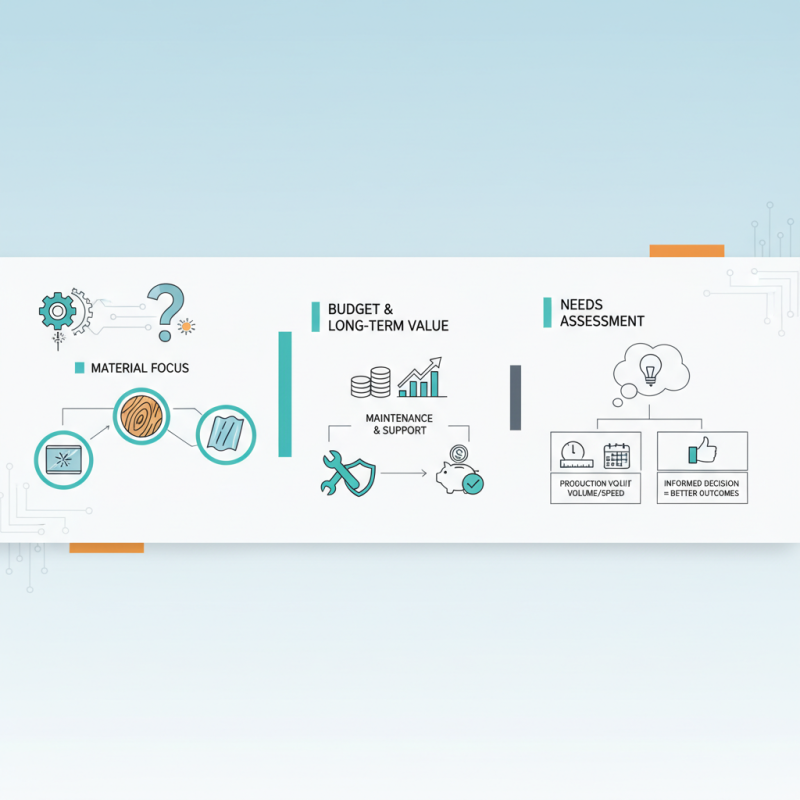
There are many options available in the market today. Each model has unique features and capabilities. You may find yourself drawn to flashy specifications and impressive marketing claims. However, it’s essential to step back and evaluate what truly matters to you. Will you primarily cut metal, wood, or fabric? Each material requires a different approach.
Think about your budget too. It’s tempting to go for the cheapest option. Yet, investing in a high-quality laser cutting machine can pay off in the long run. Consider maintenance, support, and material compatibility. Remember, cutting corners may yield unsatisfactory results. Reflect on what you truly need for your projects. Make an informed decision, and you’ll create better outcomes.
Understanding the Basics of Laser Cutting Technology
Laser cutting technology has transformed the manufacturing landscape. It uses focused laser beams to cut through materials with precision. This method is popular for its speed and accuracy. For beginners, understanding the basics is crucial.
A laser cutting machine works by directing a powerful laser through optics. This creates a concentrated beam capable of melting or vaporizing materials. Different materials, like metal, wood, or plastic, require different laser types. It's important to research and understand these differences. Choosing the wrong machine can lead to inefficiencies.
Maintenance is another critical aspect. Regular checks on the laser optics and cooling systems are vital. Neglect can lead to poor cutting quality. It is essential to consider the machine's operational costs, not just the purchase price. Reflect on your specific needs before investing. Not every shiny machine is the right fit for every project.
Laser Cutting Machine Selection Criteria
Identifying Your Material Needs for Laser Cutting
When selecting a laser cutting machine, understanding your material needs is crucial. Different materials require specific settings. Wood, for instance, cuts cleanly with high power and speed. On the other hand, metals need slower speeds for better accuracy. Assess the thickness and type of your materials. This will guide you in making the right choice.
Tips: Always test on scrap. This helps you determine if the settings are correct. Adjust your focus as necessary. Over time, you might notice patterns in how different materials react. Consistent practice will yield better results, though mistakes are part of learning.
Consider the finished product. Do you need intricate designs? Some materials handle fine details better than others. Delicate fabrics may fray, while hard plastics might chip. Evaluate your desired outcome and align it with your material choices. The right machine will support your creativity while accommodating your specific needs.
Evaluating the Power and Speed Specifications of Machines
When selecting a laser cutting machine, power and speed specifications are crucial. The power determines how thick a material you can cut. A higher wattage often suggests capability for thicker materials. However, it's essential to balance this with your typical projects. If you work mainly with thin sheets, a lower power machine may suffice.
Speed specifics are another critical factor. Faster cutting speeds can boost productivity but may result in a rougher edge. Slower speeds typically yield smoother finishes. Still, these trade-offs require careful thought. You might need to test machines to find the right balance.
Consider adjusting settings for different materials. Some settings may not deliver optimal results right off the bat. You might find that a higher speed works well for wood, but slower speeds yield much better results with acrylic. Regularly checking and adjusting these specifications can significantly enhance your output. Keep experimenting to find what works best for your needs.
Ultimate Tips for Choosing a Laser Cutting Machine
| Machine Type | Power (W) | Speed (mm/min) | Max Cutting Thickness (mm) | Material Compatibility |
| CO2 Laser | 60 | 1000 | 20 | Wood, Acrylic, Leather |
| Fiber Laser | 100 | 1500 | 10 | Metal, Stainless Steel |
| Diode Laser | 30 | 500 | 5 | Acrylic, Wood, Cardboard |
| YAG Laser | 75 | 800 | 15 | Metal, Copper |
Comparing Different Types of Laser Cutting Machines
When selecting a laser cutting machine, understanding the types available is crucial. CO₂ lasers are widely favored for their versatility. They work well with non-metal materials like wood and acrylic. These machines produce high-quality cuts, ensuring precision. However, they may not be ideal for thicker metals. Users often find themselves questioning the material compatibility.
Fiber lasers offer a different advantage. They excel at cutting metals, providing speed and efficiency. These machines are compact and have lower operating costs. Still, they might struggle with non-metal materials. Some users report that transitioning from CO₂ to fiber can be challenging. It requires a shift in mindset about material handling.
Then there are crystal lasers. They are powerful but come with a steep learning curve. Many find the technology daunting at first. Users should be aware of potential maintenance challenges. It’s essential to assess whether you have the necessary support for troubleshooting. Ultimately, the choice depends on your specific needs and the materials you plan to work with. Take time to consider what fits best for your projects.
Assessing Budget and Ongoing Operating Costs for Equipment
When choosing a laser cutting machine, understanding budget and ongoing operating costs is crucial. A study by the International Association for Laser Technology (IALT) suggests that the average initial investment for a mid-range industrial laser cutter can range from $30,000 to $150,000. This price significantly influences your budget planning. It's essential to factor in not just the purchase price but also maintenance costs, which can vary by model and usage intensity.
Operating costs generally include energy consumption, replacement parts, and labor. According to the U.S. Energy Information Administration (EIA), industrial laser cutting machines consume between 1 kWh to 9 kWh depending on their type and usage. This translates to monthly energy costs that can impact your overall expenditure. For example, a machine operating at 5 kWh may cost around $300 per month in electricity alone.
Additionally, consider the materials being used. Certain metals, for instance, require more power and maintenance, increasing overall costs. A 2021 report indicated that about 15% of laser cutting users faced unexpected repairs, hinting at the hidden expenses of neglecting routine checks. Thus, being proactive in assessing both budget and ongoing costs can lead to a more sustainable operation in the long run.