
1101 W. Sanilac Rd. Caro, MI 48723
989.673.6690
Base metals underpin power networks, buildings, vehicles, machinery, and everyday products. Yet buyers do not purchase a category; they purchase material with a specific grade, form, and delivery schedule. Copper may arrive as cathode, rod, or wire. Aluminum might be supplied as ingot, billet, or sheet. Small differences matter. A shipment’s impurity limits, dimensions, packaging, and inspection documents can affect its suitability as much as its quoted price.
Mining entrepreneur Robert Friedland has called copper “the metal of electrification.” That phrase captures one important demand driver, but it does not describe every buying decision. A procurement team comparing the top ten types of base metals should also weigh zinc’s role in corrosion protection, nickel’s use in alloys, and tin’s applications in solder. Lead, aluminum, copper, nickel, zinc, tin, and other commonly traded metals each have distinct supply chains and quality considerations. Definitions vary, too: some market lists include additional industrial metals, while others use a narrower classification. That deserves attention.
This guide examines the materials global buyers encounter most often, including their common uses, sourcing considerations, and practical trade-offs. It is not a substitute for checking current specifications, supplier records, and delivery terms. A low quotation can hide a costly mismatch. And a familiar grade is not always the right one. Reliable decisions start with the end use, then test each offer against measurable requirements. The details can be tedious. They are still worth checking.
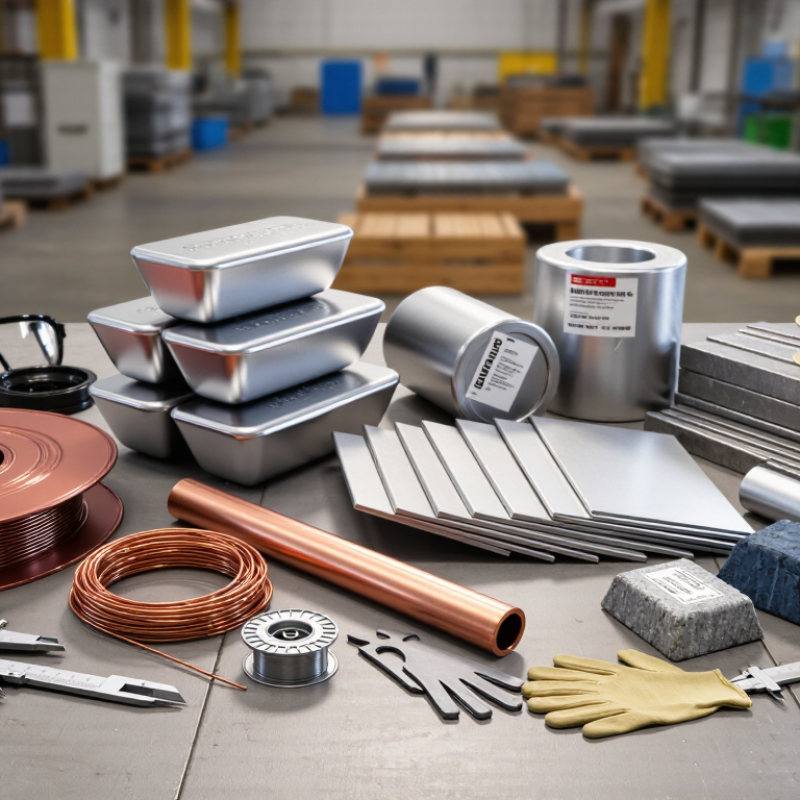
Base metals are common industrial metals, typically including copper, aluminum, zinc, nickel, lead, and tin. They form wires, pipes, roofing sheets, batteries, and machine parts. Their exact classification can vary by market, so buyers should check how a supplier uses the term. These metals are generally more abundant than precious metals and often cost less per unit. Yet prices can shift sharply with mine output, energy costs, and manufacturing demand. Copper wire, for example, carries electricity well, while aluminum sheet offers light weight. Details matter.
Precious metals, such as gold, silver, and platinum, are usually valued for scarcity, durability, and established investment or jewelry markets. Many resist corrosion, though silver can tarnish. Base metals may oxidize more readily: copper can develop a green surface layer, while zinc coatings help protect steel. That distinction is useful, but not absolute. Silver also serves industrial uses, and a base metal’s price can rise when supply is tight. The categories are practical, not perfect.
Tips: Compare grade, alloy composition, dimensions, surface condition, and test documentation before buying. A low price may hide a mismatch in specification. Ask how the material will perform in its actual setting; a neat catalog description cannot answer every service-life question.
Copper carries electricity through wiring and busbars, while aluminum offers lower weight in transport and building applications. Zinc is widely used to protect steel from corrosion. Nickel supports stainless steel and other alloys, and lead is used in batteries and shielding products. Tin commonly coats steel packaging and joins components through solder. Iron is the foundation of steelmaking. Chromium adds hardness and corrosion resistance to alloys; manganese improves steel strength and processing. Cobalt is valued in specialty alloys and some battery chemistries. Each metal has different grades, forms, and quality checks.
These ten metals do not always sit in one neat category. Trade usage can vary, especially for iron and alloying metals, so buyers should confirm the product specification. A copper cathode and copper wire are not interchangeable purchases. Check purity, dimensions, packaging, and test documents against the intended application. Prices can also respond to energy costs, freight, and supply conditions. A low quoted price may not reflect the full delivered cost.
Tips: Request a recent assay or mill test certificate, and compare like-for-like grades. Confirm moisture limits for concentrates and inspect packaging before dispatch. Keep a small sample from each accepted lot when practical. Paperwork helps, but it cannot replace clear specifications or careful receiving checks. Even experienced buyers can miss a detail.
Copper conducts electricity efficiently and resists corrosion. Buyers commonly source it as cathodes, wire rod, busbars, or sheet. Aluminum is lightweight and develops a protective oxide surface. Its commercial forms include ingots, billets, coils, and extrusions. Zinc is widely used to protect steel and make die-cast components. It is supplied as ingots, slabs, or galvanizing-grade metal. Lead is dense and easy to shape. Common forms include ingots and sheets, though safe handling deserves close attention.
Nickel supports corrosion-resistant alloys and battery materials. It is traded as cathodes, briquettes, pellets, or powder. Tin resists corrosion and is valued in coatings and solder alloys; buyers often purchase ingots or bars. Iron reaches industrial buyers as pig iron, direct-reduced iron, and ore. Chromium is often purchased as ferrochrome rather than pure metal. Manganese also commonly arrives in ferroalloys, with grades suited to steelmaking. Cobalt is available as cathodes, briquettes, or powder.
Commercial form affects freight, storage, melting, and processing costs. A coil may suit a rolling line, while billets fit extrusion operations. Grades and dimensions vary, so specifications matter more than a familiar product name. Even standard ingots can differ in impurity limits. That detail is easy to overlook. The label “base metal” also varies by market; confirm the intended grade, form, and end use before comparing offers.
Base metals underpin power networks, buildings, vehicles, and machinery. Copper carries electricity through cables and transformers; aluminum keeps overhead lines and vehicle parts lighter. The International Energy Agency’s Global Critical Minerals Outlook 2024 projects copper demand to rise about 30% by 2040 under its stated-policies scenario, driven partly by grid expansion and electrification. The forecast is not a straight line. Construction cycles and recycling rates can change demand substantially.
Zinc protects steel from corrosion on bridges, roofs, and farm equipment. The U.S. Geological Survey’s Mineral Commodity Summaries 2025 estimates 2024 global zinc mine production at about 12 million metric tons. Lead remains important in backup batteries, while tin solders circuit connections. Nickel strengthens stainless steel and supports battery supply chains; cobalt is used in some battery chemistries and heat-resistant alloys.
Other trade-listed base metals serve narrower roles: magnesium helps reduce component weight, molybdenum improves alloy strength, and chromium adds corrosion resistance. Iron is central to structural steel, though classifications vary across markets. These uses overlap, and substitution is possible, but not always easy. A lighter vehicle part may save energy; its production still requires substantial material and power. That trade-off deserves attention.
| Metal | Typical Characteristics | Major Industrial Uses | Common Commercial Forms | Buyer Considerations |
|---|---|---|---|---|
| Aluminum | Lightweight, corrosion-resistant, and readily formed; conducts heat and electricity. | Transportation, building products, packaging, electrical applications, and machinery. | Ingots, billets, slabs, sheets, plates, coils, and extrusions. | Specify alloy, temper, dimensions, surface finish, and applicable product standards. |
| Copper | Highly conductive, ductile, and resistant to corrosion in many environments. | Electrical wiring, power equipment, plumbing, heat exchangers, and electronics. | Cathodes, wire rod, bars, tubes, sheets, strips, and billets. | Confirm grade, conductivity requirements, dimensions, and whether material is refined or fabricated. |
| Zinc | Provides corrosion protection to steel and has a relatively low melting point. | Steel galvanizing, die casting, brass production, and zinc-based chemicals. | Ingots, slabs, die-casting alloys, and galvanizing-grade metal. | Check purity, alloy composition where applicable, surface condition, and packaging requirements. |
| Lead | Dense, soft, and corrosion-resistant; effective at absorbing radiation. | Lead-acid batteries, radiation shielding, cable sheathing, and selected chemical applications. | Refined ingots, alloys, sheets, and fabricated components. | Verify grade and impurity limits, and account for applicable hazardous-material handling and regulations. |
| Nickel | Resists corrosion and heat; forms useful alloys with iron and other metals. | Stainless steel, corrosion-resistant alloys, electroplating, and battery materials. | Class 1 nickel, briquettes, pellets, powder, ferronickel, and nickel-bearing intermediates. | Match product form and chemical composition to the intended process; battery and alloy feedstocks may have different specifications. |
| Tin | Soft, malleable, and resistant to corrosion; melts at a relatively low temperature. | Solder, tinplate for packaging, chemical compounds, and alloy production. | Refined ingots, bars, solder alloys, and tinplate. | Confirm tin content, alloy formulation, dimensions, and requirements for solder or food-contact applications. |
| Iron and steel | Iron is a key input to steelmaking; steel properties vary with composition and processing. | Construction, infrastructure, vehicles, machinery, tools, and industrial equipment. | Iron ore, pig iron, direct-reduced iron, billets, slabs, coils, plates, bars, and sections. | Specify whether the requirement is ore, ironmaking feed, or finished steel; define grade, dimensions, and mechanical properties. |
| Cobalt | Retains strength at high temperatures and is used in several specialized alloy and chemical applications. | Superalloys, hard metals, catalysts, and certain rechargeable-battery chemistries. | Metal cathodes, briquettes, powders, cobalt salts, and intermediate products. | Check chemical form, purity, particle size where relevant, traceability, and end-use requirements. |
| Manganese | Important alloying element that improves steel strength and other properties. | Steelmaking, specialty alloys, and manganese-based battery materials. | Manganese ore, ferromanganese, silicomanganese, and chemical compounds. | For metallurgical use, confirm manganese content, carbon level, particle size, and impurity limits. |
| Chromium | Improves corrosion resistance and hardness when alloyed with steel. | Stainless steel, alloy steels, metal finishing, and selected chemical applications. | Chromite ore, ferrochrome, charge chrome, and chromium chemicals. | Distinguish ore from ferroalloy products and specify chromium content, carbon level, and intended steelmaking use. |
Note: “Base metals” is used here broadly for widely traded industrial metals and metal inputs. Commercial forms and specifications vary by market and intended application.
Global buyers commonly source aluminum, copper, nickel, zinc, lead, tin, cobalt, manganese, chromium, and iron. The right choice depends on use, form, and specification—not just the metal name. Compare alloy and purity requirements, dimensions, tolerances, and test certificates. Grades matter. A mismatch can mean rejected coils, extra machining, or production delays.
Price comparisons should separate benchmark prices from regional premiums, freight, conversion costs, and payment terms. The USGS Mineral Commodity Summaries 2025 estimates global copper mine output at about 23 million metric tons in 2024, a reminder that large markets still depend on mine supply and logistics. Check supplier lead times, inventory location, and origin documents alongside quotations. Small price gaps can disappear quickly. No scorecard is perfect; buyers should reassess assumptions when markets shift.
Tips: Request recent mill test certificates and confirm that grade names match the relevant ASTM or EN specification. Check traceability, recycled-content claims, and required compliance documents before approving samples. Keep a second qualified source where practical, but compare equivalent grades and delivery terms. Cheap can cost more.
Indicative 2024 average benchmark prices (USD per metric tonne)
Prices are indicative annual averages; benchmark, grade, product form, and delivery location differ by metal, so use them for broad comparison rather than direct quotations. For procurement, verify specifications, supplier availability, and applicable requirements such as REACH and RoHS. Reference bases include World Bank commodity price data and market benchmarks; lithium, molybdenum, and tungsten values refer to lithium carbonate, molybdenum oxide, and ammonium paratungstate (APT), respectively.