Top 10 Tube Settler Systems for Efficient Water Treatment?
In the quest for efficient water treatment, Tube Settler systems have emerged as a key solution. These innovative technologies enhance sedimentation processes in water treatment plants. By maximizing space and improving settling efficiency, Tube Settlers significantly reduce water treatment costs.
Utilizing angled tubes, these systems facilitate quicker sedimentation. The design allows for greater surface area within a compact footprint. This is particularly beneficial in urban environments where space is limited. Tube Settler systems can handle varying water qualities, showcasing versatility that few alternatives offer.
However, not all systems are created equal. Some may struggle with higher turbidity levels, leading to inefficiencies. It’s important to assess the specific needs of a water treatment facility before selection. Understanding these nuances is crucial for optimizing water treatment processes and ensuring sustainable practices.
Introduction to Tube Settler Systems in Water Treatment
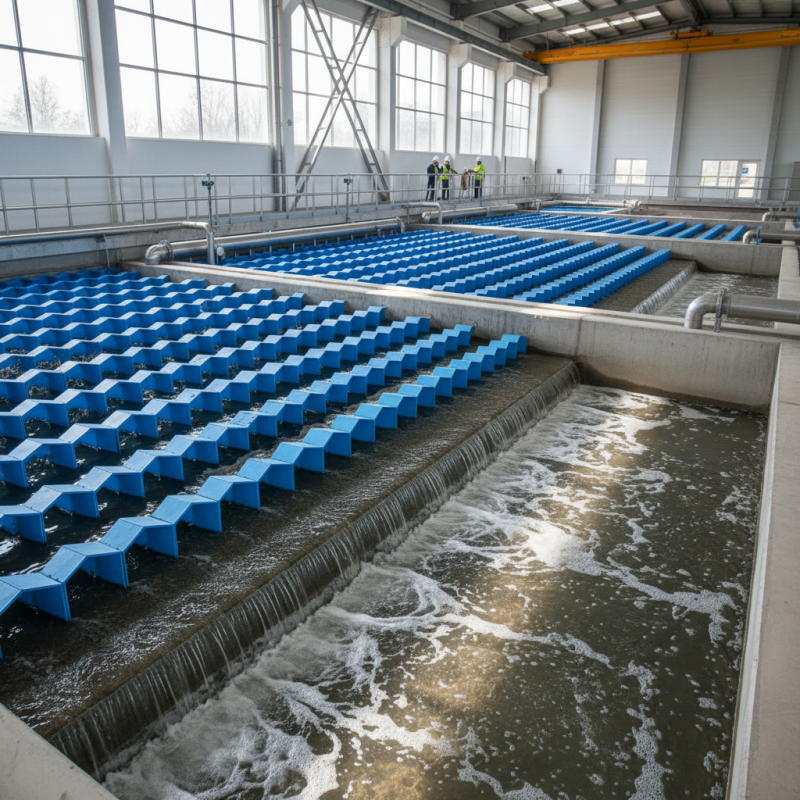
Tube settler systems play a vital role in water treatment processes. These systems use inclined plates, which facilitate the settlement of suspended particles in water. As water flows through these tubes, gravity helps separate solids, leading to clearer water. This system can enhance sedimentation efficiency and minimize the footprint of treatment facilities.
These systems are designed for various scales, from municipal plants to industrial applications. They can effectively reduce the size of settling tanks required. However, the design needs to be carefully tailored to the specific flow rates and particle sizes being treated. It's essential to continuously monitor and adjust the operation to ensure optimal performance. There is no one-size-fits-all solution in tube settlers. Different conditions might require different configurations and materials.
While tube settlers are efficient, they are not without challenges. Fouling can become an issue over time, necessitating regular maintenance. Operators must be aware of the specific characteristics of the water being treated. Regular assessment of the system's effectiveness is also required to ensure it meets the changing demands placed upon it.
Key Benefits of Using Tube Settler Systems
Tube settler systems offer several key benefits that enhance the efficiency of water treatment processes. These systems increase the settling area in a compact space. This design allows for faster sedimentation of particles. With gravity as a driving force, less energy is consumed. Turbidity levels can be significantly reduced. This results in higher quality treated water.
Moreover, tube settlers are effective in facilitating the removal of flocculent material. This is critical in processes like coagulation and clarification. By efficiently managing sedimentation, tube settlers minimize the need for chemical additives. This can lead to cost savings and a reduced environmental impact. They are also relatively simple to install and maintain.
While these systems can improve water treatment, there can be challenges. Proper maintenance is crucial to avoid clogging. Operators must monitor flow rates and sediment buildup regularly. If not managed well, sediment can obstruct proper function. Additionally, the design must suit the specific application for optimal performance. Careful consideration of site conditions is essential to maximize benefits.
Top Features to Consider When Choosing Tube Settler Systems
When selecting tube settler systems for water treatment, several features are essential to ensure efficiency. Look for systems designed with high surface area to volume ratios. A larger surface area enhances sedimentation rates, which can significantly improve water quality. Optimal tube spacing is also crucial. If tubes are too close, it may cause flow disruptions, affecting overall performance.
Another aspect to consider is the material used in construction. High-quality, corrosion-resistant materials ensure durability. Systems made from PVC or other robust plastics are often preferred. Keep in mind that maintenance accessibility can greatly impact longevity. Systems that are easy to clean will save time and reduce costs in the long run.
Evaluating the hydraulic design is equally vital. A well-engineered hydraulic system reduces the chance of clogging. Any inefficiencies could lead to increased operational costs. Check for flow distribution capabilities that prevent uneven settling. Not all systems are created equal, and some designs may not fit your specific needs or layout. It’s important to ensure a proper fit for your application to achieve the best results.
Top 10 Tube Settler Systems for Efficient Water Treatment
This chart represents the efficiency ratings of the top 10 tube settler systems, showcasing their performance in water treatment processes. Higher ratings indicate better efficiency and suitability for various water treatment applications.
Comparative Analysis of Leading Tube Settler Systems
When evaluating tube settler systems, it's essential to compare their efficiency in water treatment. Different systems utilize varying designs and materials. Some rely on polypropylene, while others use PVC. Each material has its own set of advantages and drawbacks. For instance, polypropylene is known for its durability and resistance to chemicals, but it can be more expensive.
The flow rate and surface area of the tubes significantly affect the settling process. Systems with a larger surface area can enhance sedimentation, leading to purer water. However, larger areas might also create maintenance challenges. It's not uncommon to overlook how these factors impact the overall treatment process. Some users might prioritize cost without considering the long-term operational impacts. Additionally, operational training is often neglected, which could compromise system effectiveness.
Another key aspect to consider is the ease of installation and integration into existing infrastructure. Some systems boast straightforward installation, while others require specialized knowledge. This discrepancy can lead to implementation challenges. Many operators find themselves grappling with these complexities, realizing that DIY installation is not always the best approach. Ultimately, the choice of a tube settler system should be informed by a careful analysis of these critical factors, balancing efficiency and practicality.
Case Studies: Successful Applications of Tube Settler Systems
Tube settler systems have gained recognition for their efficiency in water treatment applications. One notable case study involved a municipal water treatment facility that enhanced sedimentation processes using tube settlers. The facility reported a 30% reduction in suspended solids. This led to improved water quality, showing how tube settlers can minimize the footprint of treatment processes.
Another successful example is found in industrial settings. A manufacturing plant implemented tube settlers to treat process water. The result was a significant reduction in chemical usage by 20%. Effective removal of turbidity was achieved within hours, demonstrating the quick turnaround possible with these systems. Such applications highlight the versatility of tube settlers across varied operational contexts.
Despite their successes, implementation of tube settler systems is not without challenges. A study from the American Water Works Association suggests that improper installation can lead to uneven settling and increased maintenance. Regular monitoring is essential to ensure optimal performance. Recognizing these issues is crucial for maximizing the benefits of tube settlers in water treatment.