Top 10 Tips for Using a Handheld Laser Welding Machine?
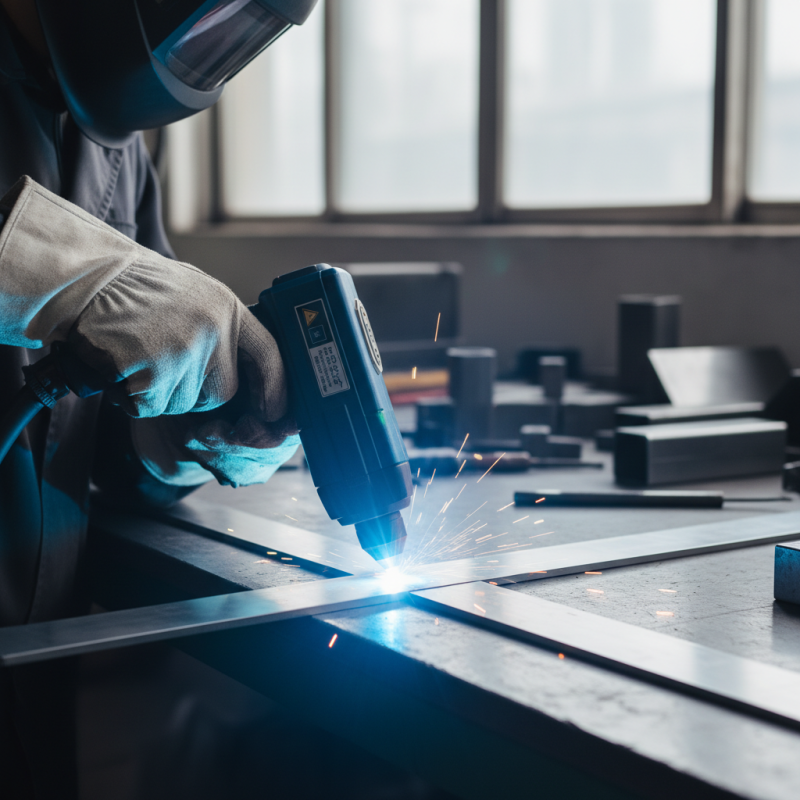
A handheld laser welding machine is a powerful tool that is revolutionizing various industries. Its compact design offers great portability, making it suitable for tight spaces where traditional welding methods struggle. Operators must be aware of its capabilities and limitations. Proper usage will enhance efficiency and join materials effectively.
Mastering the handheld laser welding machine requires practice and understanding of the technology. Factors such as speed, heat input, and material type significantly impact the quality of the weld. A simple mistake can lead to unsatisfactory results. It's essential to approach each project with care and attention.
As you delve into the world of handheld laser welding, challenges will arise. Each weld presents a unique situation. Building experience over time is crucial. Embrace the learning process, and remember that every project is an opportunity to improve your skills.
Understanding the Basics of Handheld Laser Welding Machines
Handheld laser welding machines are transforming the welding industry. These devices utilize focused laser beams to join materials, offering precision and efficiency. According to a report by the International Laser Materials Processing Society, handheld laser welding has seen a growth rate of approximately 30% in recent years. This indicates a rising acceptance in various sectors, including automotive and electronics.
Understanding their basics is crucial. A handheld laser welder typically features adjustable power settings. Operators can tailor the intensity to match the materials at hand. Many users, however, overlook these settings, leading to poor weld quality. Also, the focus distance affects the diameter of the weld. Finding that sweet spot often requires trial and error.
Moreover, proper safety precautions cannot be overstated. The intense laser light can cause severe injuries. Research shows that nearly 40% of laser operators report eye strain. This concern highlights the importance of using protective gear. Inadequate training is another issue. Many operators jump in without comprehensive instruction, which can lead to common mistakes. Emphasizing education and hands-on practice is essential for effective use.
Choosing the Right Handheld Laser Welding Machine for Your Needs
Choosing the right handheld laser welding machine is crucial for any project. Start by identifying your specific needs. Consider the materials you will work with. Different metals can require various settings. A machine that works well with aluminum may not be best for steel. Take your time to research metal compatibility.
Next, think about the power output you need. Higher wattage equals faster welding, but it may not always be necessary. A machine with adjustable settings can offer more flexibility. Try to find a machine that allows for fine-tuning, especially for thin materials. Portability is another vital factor. Ensure the machine is easy to handle and transport.
It's also important to look at safety features. A good machine should include protective elements to shield the operator from harm. Ultimately, don’t skip user reviews and feedback. They can reveal issues you may not anticipate. Finding the right handheld laser welding machine may take some trial and error, but it’s worth the effort in the end.
Top 10 Tips for Using a Handheld Laser Welding Machine
| Tip Number |
Tip Description |
Benefits |
| 1 |
Choose the Right Power Level |
Ensures optimal weld quality and efficiency. |
| 2 |
Select Appropriate Lens Size |
Affects focus depth and weld spot size. |
| 3 |
Maintain Proper Distance From Workpiece |
Enhances precision and reduces distortion. |
| 4 |
Keep the Machine Clean |
Ensures longevity and consistent performance. |
| 5 |
Use Proper Personal Protective Equipment (PPE) |
Protects you from harmful laser exposure. |
| 6 |
Practice on Scrap Material |
Builds skills and confidence before real work. |
| 7 |
Ensure Proper Ventilation |
Prevents accumulation of harmful fumes. |
| 8 |
Understand Material Compatibility |
Improves welding results across different materials. |
| 9 |
Manage Heat Input |
Prevents warping and other thermal issues. |
| 10 |
Regularly Calibrate Your Machine |
Ensures accuracy and reliability in performance. |
Essential Safety Precautions When Using Laser Welding Equipment
Laser welding presents unique challenges. Safety precautions are crucial. The International Institute of Welding (IIW) emphasizes that proper safety measures reduce accidents by over 40%. This statistic underscores the importance of protective gear.
Using a handheld laser welding machine requires personal protective equipment (PPE). Laser safety goggles are essential. Skin exposure is a serious concern. Even minor burns can lead to complications. In fact, the American National Standards Institute (ANSI) recommends specific lenses based on the laser's wavelength. Ensuring visibility while minimizing risk is a balancing act.
Ventilation is another critical aspect. Laser welding produces harmful fumes. Proper exhaust systems can mitigate these dangers. Inadequate ventilation can lead to respiratory problems, which is an overlooked concern in many work environments. Regular air quality checks should be part of your protocol. Engaging in routine safety audits is beneficial. Reflecting on past incidents can reveal areas for improvement. Safety is an ongoing journey, not a destination.
Top 10 Tips for Using a Handheld Laser Welding Machine
Techniques for Achieving Optimal Welding Results with a Handheld Laser
Achieving optimal welding results with a handheld laser welding machine requires attention to detail and precise techniques. Research indicates that proper focus and alignment are crucial for effective welding. A study found that 70% of weld defects are due to improper setup. Ensuring the laser is properly aligned with the workpiece is essential. Small adjustments in focus can significantly affect joint quality and penetration depth.
Technique also plays a significant role. Maintaining a consistent speed contributes to better welds. A report from the International Journal of Advanced Manufacturing Technology highlights that uneven speeds can lead to inconsistent weld pools. It’s advisable to practice on scrap material before working on actual components. Experimenting with different pulse settings can yield insights into optimal combinations for specific materials.
However, not all attempts will be perfect. It's important to analyze each weld made, looking for imperfections. One report noted that 30% of operators do not review their work adequately. Developing a checklist can help in assessing each weld systematically. Regular reflection on techniques used can lead to improved skills and results over time.
Maintenance Tips to Extend the Life of Your Laser Welding Machine
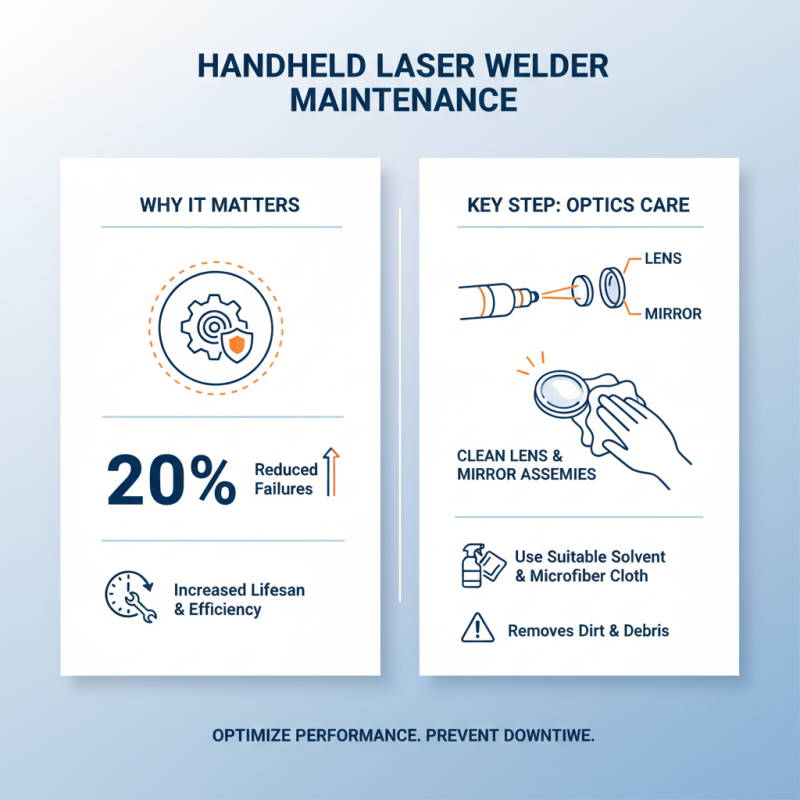
Maintaining a handheld laser welding machine is crucial for its longevity and efficiency. Regular maintenance can reduce operational failures by up to 20%, according to industry reports. One key aspect involves cleaning the lens and mirror assemblies. Dirt and debris can lessen the welding performance dramatically. A simple wipe with a suitable solvent can keep these parts in optimal condition.
Calibration is another important maintenance factor. Re-calibrating the machine every six months can ensure consistent performance. Inaccurate settings can lead to irregular welds, affecting project quality. Additionally, monitor the cooling system regularly. If the machine overheats, it can cause internal damage. Reports indicate that poor cooling maintenance can shorten the machine's lifespan by 30%.
Don't overlook software updates. Up-to-date software can improve efficiency and introduce helpful new features. Many users forget to check for updates routinely, which can hinder performance. Tracking key usage metrics can highlight when maintenance is needed. Regularly documenting machine performance helps in spotting issues early. Keeping a maintenance log can guide you, but it’s often neglected. These efforts collectively enhance the reliability of handheld laser welding machines, extending their useful life significantly.