Top 10 Tips for Choosing the Best Coating Line Machine?
Choosing the right Coating Line Machine is crucial for any manufacturing business. This decision impacts efficiency, product quality, and overall operational costs. With various machines available, it's essential to understand what to look for. A proper selection can enhance your production processes significantly.
When considering a Coating Line Machine, various factors come into play. These include the material being coated, the desired finish, and production volume. Investing in high-quality machinery can lead to better outcomes. However, not all machines are created equal. Some may offer advanced features but lack reliability.
Each choice you make should involve careful evaluation. A machine may seem perfect on paper but might fail under real-world conditions. Analyze case studies and seek expert recommendations. Emphasizing hands-on experience will guide you in making informed decisions. Staying updated on industry trends can also be beneficial. This knowledge ensures you pick a machine that meets future demands while still functioning effectively.
Understanding Coating Line Machines: Key Definitions and Types
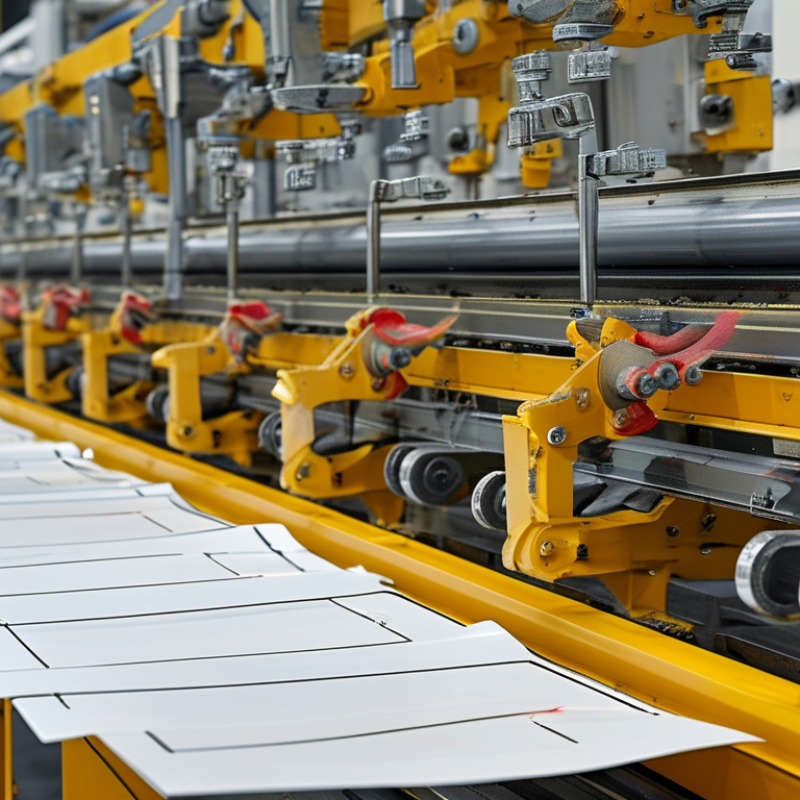
Coating line machines are essential for various industries. Understanding these machines starts with key definitions. A coating line is designed to apply protective or decorative coatings on surfaces. These surfaces can range from metals to plastics. The application process can significantly impact the final product's quality and durability.
There are several types of coating line machines available. Spray coating machines are popular for their versatility. They can apply coatings evenly, but might require adjustments to achieve optimal performance. Another type is the roller coating machine, known for its efficiency in high-volume applications. It provides consistent coverage but may struggle with intricate designs. Conveyorized systems bring automation into play. While they enhance productivity, they require careful maintenance to avoid downtime.
Quality control is crucial when selecting your coating line machine. Evaluating each type based on your specific needs is essential. Think about factors like production rate, required finish, and maintenance needs. Finding the perfect balance can be challenging. Reflect on the trade-offs, as they influence your operational efficiency.
Evaluating Production Capacity: Importance of Throughput Rate in Coating Lines
When it comes to coating lines, evaluating production capacity is crucial. The throughput rate defines how efficiently a machine operates. A higher throughput rate means more products can be processed in less time. This impacts overall productivity and can significantly influence your bottom line.
It’s important to assess whether the throughput rate meets your operational needs. For example, you might need to produce 1,000 units per day. If a machine can only handle 500 units, it will slow down your production. Furthermore, the complexity of the coatings requires machines that maintain quality while increasing speed. This balance can be tricky but essential for success.
Many businesses overlook the importance of testing machines at their intended throughput rates. This can lead to frustration and delays later on. Take time to analyze your specific production goals. You may need to reconsider your priorities or invest in more flexible solutions. Evaluating throughput with precision can make all the difference.
Assessing Material Compatibility: Coating Substrates and Their Requirements
When selecting a coating line machine, material compatibility is paramount. Different materials demand specific coatings to ensure adhesion and durability. Understanding your substrate is the first step in achieving optimal coating results. For instance, metals may require an entirely different treatment than plastics.
Consider the surface texture and energy of your substrates. A rough surface can enhance adhesion but may also complicate the coating process. Additionally, some materials may emit gases or contaminants that can affect the finished coating. Always conduct thorough tests to identify how your substrate reacts to different coating materials.
Tip: Evaluate the chemical resistance of your coating options. This is crucial, especially for materials that will face harsh environments. Test different combinations to find the best match for durability and appearance.
Moreover, consider the dimensional stability of your substrates when heated or coated. Some materials may warp if not handled correctly. This factor should guide your equipment choices and coating methods. Taking into account all these requirements can direct you toward the best coating line machine for your needs.
Choosing Automation Level: Impact on Efficiency and Labor Costs
When selecting a coating line machine, the level of automation can significantly affect efficiency and labor costs. Automated systems can speed up production, allowing companies to meet increasing demand. Reports from industry analysts indicate that companies with fully automated lines see productivity increases of up to 30%. This is a compelling statistic that emphasizes the potential benefits of automation.
However, automated systems also require higher initial investments. The upfront costs can be daunting for small to mid-sized businesses. These enterprises should weigh their current capabilities against long-term goals. A semi-automated system may offer a balance. It provides flexibility and still reduces labor costs. Data shows that companies using a blend of automation reduce operational expenses by approximately 20%, which can be a game-changer.
On the flip side, the complexity of automated systems can lead to maintenance challenges. Downtime can counteract productivity gains. Regular monitoring and staff training are crucial to mitigate these issues. While automation promises efficiency, not every setup guarantees seamless operation. Understanding the trade-offs is imperative for making an informed decision.
Maintenance and Support: Ensuring Longevity and Reliability of Equipment
When selecting a coating line machine, maintenance and support are crucial for ensuring longevity. A report from the Association for Manufacturing Technology states that effective maintenance can improve equipment reliability by up to 30%. Regular maintenance minimizes unexpected breakdowns. This leads to fewer production interruptions and smoother operations.
Training staff on proper usage and maintenance is vital. Many companies overlook this aspect. A skilled workforce can identify issues early, reducing costly repairs. According to a study by the National Institute of Standards and Technology, skilled operators can increase productivity by 20% due to effective downtime management.
Additionally, assess the availability of technical support. Manufacturers should provide accessible resources. Fast response times prevent prolonged downtimes. A report from the Equipment Maintenance Institute reveals that effective support strategies can reduce equipment failures by 40%. Don't underestimate the need for a robust support system. Investing in maintenance and support ensures your coating line machine remains reliable in the long term.
Top 10 Tips for Choosing the Best Coating Line Machine
| Tip No. | Tip Description | Key Benefits | Considerations |
| 1 | Assess Production Needs | Optimized machine size and capacity | Consider current and future production demands |
| 2 | Evaluate Coating Type | Improved product durability | Different coatings require specific machines |
| 3 | Determine Budget | Cost-effective solutions | Include all related costs: maintenance, installation |
| 4 | Check Equipment Reliability | Less downtime | Research vendor reliability and customer reviews |
| 5 | Look for Energy Efficiency | Lower operating costs | Choose machines with energy-saving features |
| 6 | Consider Maintenance Support | Extended equipment lifespan | Evaluate availability of service contracts |
| 7 | Inspect Design and Layout | Improved workflow | Ensure it fits within your factory layout |
| 8 | Review Safety Features | Enhanced operator safety | Compliance with industry safety standards |
| 9 | Prioritize Flexibility | Capability to adapt to changes | Support a variety of coating processes |
| 10 | Seek User-Friendly Interfaces | Easier operation | Simplifies training for operators |