Top 5 Roller Microswitch Options for Your Business Needs?
In the ever-evolving landscape of automation and control systems, Roller Microswitches play a crucial role. According to a recent industry report by MarketsandMarkets, the global microswitch market is projected to reach USD 1.2 billion by 2025, driven by increasing demand for reliable switching solutions. Roller microswitches provide unique advantages in various applications, such as robotics, automotive, and industrial machinery. Their design allows for precise actuation, which is essential for consistency in performance.
The versatility of roller microswitches caters to diverse operational needs. Whether you require a sensitive switch for delicate tasks or a robust option for industrial environments, the right choice can enhance productivity. However, navigating the vast options can be challenging. Not all roller microswitches meet the rigorous standards set by industry leaders. Common pitfalls include selecting products with inadequate durability or poor sensitivity.
It's vital to critically assess the specifications and performance of potential microswitches. Reliability and responsiveness are paramount. Research indicates that organizations often overlook these factors, leading to inefficiencies. This guide will explore the top five roller microswitch options available, ensuring you can make an informed choice that aligns with your business requirements.
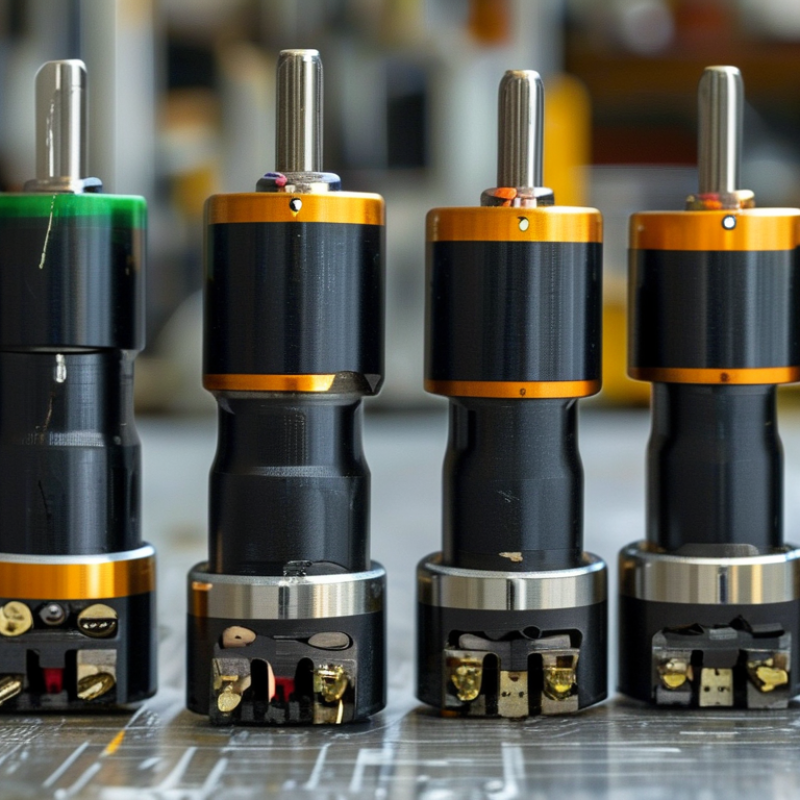
Understanding Roller Microswitches and Their Applications
Roller microswitches are essential components in various industries, offering precision and reliability for automation. They function through an actuator that rolls across a surface. This design ensures that the switch engages and disengages with great accuracy. According to a report by MarketsandMarkets, the global microswitch market is expected to reach $3.2 billion by 2025, reflecting strong demand in sectors like manufacturing and automotive.
These switches find applications in safety equipment, household appliances, and industrial machinery. For instance, roller microswitches are often used in elevator systems to ensure secure operation. The versatility of these switches allows businesses to integrate them into various setups. However, selecting the right microswitch can be challenging. Factors such as operating force and actuator design must be carefully evaluated to meet specific business needs.
While roller microswitches deliver consistent performance, some users experience difficulties with durability over time. Environmental factors like moisture and dust can affect functionality. Regular maintenance and careful selection based on usage conditions are necessary to enhance lifespan. Understanding these nuances helps in making informed choices for effective automation solutions.
Key Features to Consider When Choosing Roller Microswitches
When selecting roller microswitches for your business, several key features should guide your decision. These switches are critical in automation systems and often serve as safety components. According to industry reports, the demand for reliable microswitches has increased by 25% over the last five years. This growth highlights their importance in manufacturing and robotics.
First, consider the actuator type. Roller microswitches come with different actuators such as levers or rollers. Each type is suited to various applications. For instance, a roller actuator might work better in applications with a continuous movement. Pay attention to the operating force; the ideal switch should provide a balance between sensitivity and durability. Research indicates that microswitches fail under extreme force situations, which can lead to low reliability.
Another important aspect is environmental resistance. High humidity and dust can compromise microswitch functionality. Choosing switches with specified IP ratings can protect against these conditions.
Tip: Always test your microswitches under real operating conditions. This helps to identify potential weaknesses.
Don’t overlook the electrical specifications. Voltage rating, current-carrying capacity, and frequency range can differ significantly. These specifications impact overall performance and longevity. Ensure that the selected microswitch meets or exceeds the requirements for your specific application.
Tip: Regularly review and update your microswitch selection based on changing technological demands.
Top 5 Roller Microswitches for Industrial and Commercial Use
When it comes to industrial and commercial use, roller microswitches play a crucial role. They are versatile, reliable, and efficient. Businesses rely on these switches for various applications, from machinery control to automation processes. Selecting the right microswitch can impact workflow efficiency significantly.
Many options are available on the market. Each has unique features suited for different environments. The choice between them can be overwhelming. Key factors to consider include operating force, durability, and mounting configuration. Engaging with technical specifications is essential for making an informed decision.
Not all roller microswitches will meet every business requirement. It’s crucial to assess your specific application needs. Testing and evaluating options may lead to surprising results. Sometimes, initial preferences might not yield the best outcome. Focusing on quality and reliability will ultimately benefit operations in the long run. Understanding these switches thoroughly can empower businesses to optimize their performance effectively.
Comparative Analysis of Performance and Durability
When evaluating roller microswitch options, performance and durability are key factors. Recent industry reports highlight that high-performance microswitches can last up to 10 million cycles, a crucial statistic for businesses relying on reliability. These switches withstand environmental stresses, including temperature fluctuations and moisture, which can affect their functionality.
Tips: Always consider the environmental conditions where the switch will be used.
The construction material greatly impacts both performance and longevity. Durable plastics and metal components often lead to better outcomes. Reports indicate that metal-based microswitches often resist wear better than their plastic counterparts. However, this may lead to a higher initial cost.
Tips: Balance upfront expenditure with long-term savings.
Testing various models under real-world conditions could reveal significant insights into their durability. Some options may perform well on paper but fail under practical conditions. Choose a model that aligns with your specific operational needs, and remember that subjective feedback can also provide valuable information when making your final decision.
Top 5 Roller Microswitch Options for Your Business Needs
| Option | Operating Force (g) | Travel Distance (mm) | Durability (Cycles) | Temperature Range (°C) |
| Option 1 | 200 | 1.8 | 1,000,000 | -20 to 70 |
| Option 2 | 180 | 2.0 | 750,000 | -10 to 65 |
| Option 3 | 210 | 1.5 | 2,000,000 | -30 to 80 |
| Option 4 | 190 | 2.2 | 1,200,000 | -20 to 60 |
| Option 5 | 220 | 1.0 | 500,000 | -25 to 75 |
Installation and Maintenance Tips for Roller Microswitches
When installing roller microswitches, proper attention to detail can greatly affect their performance and longevity. Ensure the switch is mounted securely. Misalignment can lead to inconsistent operations. Regular inspections can help identify potential issues early. According to industry standards, about 20% of microswitch failures are linked to improper installation.
For maintenance, consider cleaning the microswitch's components periodically. Dust accumulation can hinder its functionality, resulting in unreliable performance. A professional report indicates that regular maintenance can increase the lifespan of these switches by up to 30%. You might find it beneficial to establish a routine check every six months.
Another crucial aspect is to monitor the environment where the microswitch operates. Extreme temperatures or humidity can impact its reliability. If necessary, choose switches rated for harsh conditions. Ultimately, balancing cost and performance will require reflection on specific business needs. Each application will have unique demands that should be addressed individually.