What is a Stainless Steel Water Tank and Its Benefits?
A Stainless Steel Water Tank is becoming an essential choice for both residential and commercial applications. Its unique features offer numerous benefits that enhance water storage solutions. These tanks are robust, durable, and resistant to rust. Their design ensures that the stored water remains clean and safe for use.
One significant advantage of a Stainless Steel Water Tank is its longevity. These tanks can last for decades, reducing the need for frequent replacements. This durability often makes them a cost-effective solution in the long run. Additionally, they are low maintenance, requiring minimal effort to keep in good condition.
However, it is important to be aware of potential drawbacks. Stainless steel tanks can be more expensive upfront compared to other materials. Installation can also be complex and may require professional assistance. Despite these challenges, the overall benefits often outweigh the downsides. Understanding these factors is essential for making informed decisions about water storage options.
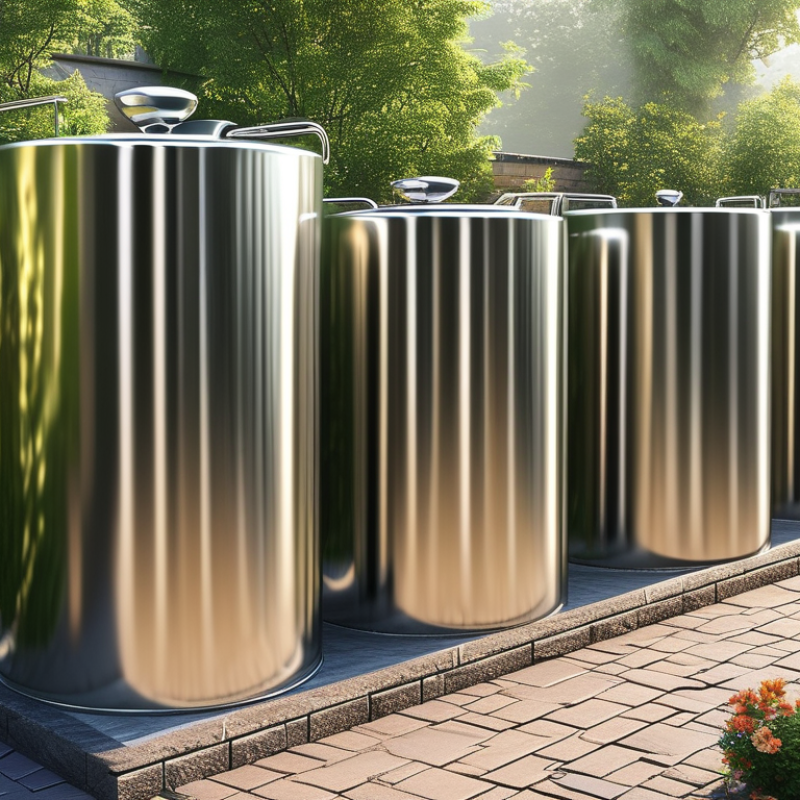
What is Stainless Steel and Its Composition in Water Tanks?
Stainless steel is an alloy made primarily of iron, chromium, and nickel. Its unique composition gives it excellent resistance to corrosion and tarnishing. These properties make stainless steel a preferred choice for water tanks. The presence of chromium forms a passive layer on the surface, preventing rust from developing. Nickel enhances the durability and strength of the steel, ensuring a longer lifespan for the tank.
One of the crucial benefits of stainless steel water tanks is their hygiene. Unlike plastic, stainless steel does not leach harmful chemicals into the water. This feature is vital for maintaining water quality. The smooth surface also makes cleaning easier, preventing bacterial growth.
When selecting a stainless steel water tank, consider the thickness of the material. Thicker steel offers improved durability but may come at a higher cost. Always check for certifications to ensure the tank meets health and safety standards. Sink your time into researching suppliers that prioritize quality over price. Reflect on the long-term impact of your choice. A well-made tank will serve you better in the future. Consider investing wisely.
Key Advantages of Using Stainless Steel for Water Storage
Stainless steel water tanks are increasingly popular for many reasons. One significant advantage is their durability. These tanks resist corrosion, rust, and wear over time. This quality makes them ideal for long-term water storage. Unlike plastic or concrete, stainless steel maintains its integrity, even under extreme conditions.
Another key benefit is hygiene. Stainless steel is non-porous, preventing bacterial growth and ensuring water remains clean and safe. This is crucial for both residential and commercial applications. Furthermore, stainless steel does not leach harmful chemicals into the water. This property further enhances its appeal as a safe storage option.
Cost considerations can be complex. While the initial investment in stainless steel may be higher, the long lifespan offsets these costs. Regular maintenance is minimal, leading to fewer replacements over time. Though some may worry about the initial expense, the overall savings are noteworthy. It's essential to evaluate the complete picture before deciding on the right solution for water storage needs.
Benefits of Using Stainless Steel Water Tanks
Durability and Lifespan: Why Stainless Steel Tanks Outlast Other Materials
Stainless steel water tanks are known for their exceptional durability and longevity. Unlike plastic or fiberglass tanks, stainless steel can withstand harsh conditions. These tanks resist rust, corrosion, and extreme temperatures. This resilience makes them ideal for various applications, from residential use to industrial settings.
Durability is a key factor that sets stainless steel apart. These tanks can last for decades, reducing the need for frequent replacements. In many cases, they are more cost-effective in the long run. Their robust construction also means they can handle physical impacts better than softer materials. Regular maintenance can help maximize their lifespan.
Consider these tips for optimal use of stainless steel tanks. Ensure proper installation to prevent stress points. Periodic inspections help catch minor issues before they become significant. Lastly, keep the tank clean; sediment build-up can harm water quality. Staying attentive to these details enhances the performance and lifespan of your stainless steel water tank.
Health Benefits: Corrosion Resistance and Water Quality Preservation
Stainless steel water tanks are renowned for their superior corrosion resistance. This feature protects drinking water from contaminants that can arise in less stable materials. According to the Water Quality Association, using stainless steel can reduce metal leaching by up to 70%. This is crucial for maintaining high water quality.
The hygienic properties of stainless steel further enhance its appeal. Research indicates that stainless steel inhibits the growth of microbial contaminants, ensuring cleaner water. A study published in the Journal of Water Supply suggests that tanks made of stainless steel kept water fresher and safer over time compared to plastic alternatives.
However, not all stainless steel tanks are created equal. Quality varies, and lower-grade models can still corrode or leach chemicals. Users should pay attention to the tank grade and ensure it meets health standards. Regular maintenance is also vital. Even with durability, neglect can lead to issues. Choosing a reliable stainless steel water tank requires careful consideration of these factors.
Sustainability: Environmental Impact of Stainless Steel Water Tanks
Stainless steel water tanks have a significant environmental impact. Their durability reduces the need for frequent replacements. Unlike plastic containers, stainless steel does not leach harmful chemicals over time. This makes them safer for water storage. Many manufacturers also focus on recycling materials. About 60% of stainless steel is made from recycled metals. This reduces the energy consumption in production.
Moreover, stainless steel is 100% recyclable. Once a water tank reaches the end of its life, it can be melted down and reused. This cyclical process minimizes waste. However, there are challenges. Not all recycling facilities can process stainless steel. This can lead to waste if not properly managed. Public awareness around recycling methods is crucial.
The longevity of stainless steel products also raises questions. While their lifespan is impressive, sourcing raw materials can be resource-intensive. Mining for metals impacts local ecosystems. Balancing the benefits with these concerns is essential. Sustainable practices and responsible sourcing are necessary for maximizing the positive effects of stainless steel water tanks.
What is a Stainless Steel Water Tank and Its Benefits? - Sustainability: Environmental Impact of Stainless Steel Water Tanks
| Dimension | Value |
| Material Type | Stainless Steel 304 |
| Lifespan | 50+ years |
| Recyclability | 100% |
| Maintenance Frequency | Once every 5 years |
| Energy Savings | Up to 30% when compared to plastic tanks |
| Environmental Impact | Low; recyclable and reduces landfill waste |
| Water Quality | No leaching of chemicals, preserves taste |
| Fire Resistance | High, can withstand extreme heat |