Top Portable Chlorine Analyzers for Water Quality Monitoring?
In today's world, water quality is a critical concern. Understanding the levels of chlorine in water is essential for safety and health. A Portable Chlorine Analyzer serves as a vital tool for this purpose. These devices help professionals quickly assess water quality in various settings, from municipal water supplies to swimming pools.
Portable Chlorine Analyzers offer the convenience of on-site testing. This real-time analysis allows for immediate action if chlorine levels are not within safe limits. However, users must select the right analyzer model. Not all units provide the same accuracy or ease of use. Some may require more maintenance than expected, which can hinder consistent monitoring.
While these devices excel in many areas, they can occasionally present challenges. Users must be aware of calibration needs and potential interference from other chemicals. It is crucial to understand the limitations of each unit. Reliable data is only as good as the tools used to gather it. Investing in a high-quality Portable Chlorine Analyzer is a step towards ensuring water safety.
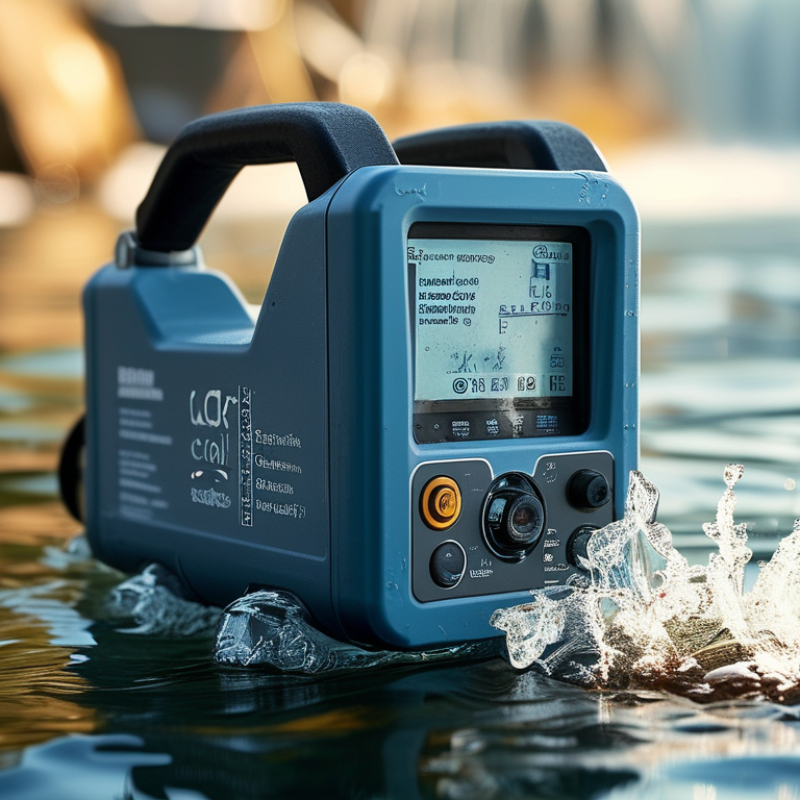
Overview of Portable Chlorine Analyzers for Water Quality
Portable chlorine analyzers play a crucial role in water quality monitoring. These devices measure chlorine levels accurately, ensuring safe drinking water. According to the World Health Organization, chlorine is vital for disinfecting water. However, excessive chlorine can pose health risks. Understanding this balance is critical for water treatment facilities.
Recent studies indicate that nearly 80% of water treatment facilities use some form of chlorine. However, not all facilities possess the right equipment for precise monitoring. Portable analyzers provide an essential solution. They enable quick and easy testing on-site. Testing in real time allows facilities to respond to contamination swiftly. This aspect cannot be overlooked.
While portable chlorine analyzers are advantageous, they do have limitations. Some models may lack long-term stability, requiring frequent recalibration. Data accuracy can also be influenced by environmental factors, such as temperature and turbidity. Continuous training for operators is necessary to ensure reliable results. The need for routine maintenance cannot be ignored either. This highlights the importance of selecting the right analyzer for specific environments.
Top Portable Chlorine Analyzers for Water Quality Monitoring
Key Features to Consider When Choosing a Portable Chlorine Analyzer
When selecting a portable chlorine analyzer, it's essential to understand the key features that define its performance. Accuracy is paramount. Analyzers should deliver consistent results for reliable monitoring. Look for devices that can measure chlorine levels across various ranges. This ensures versatility for different water quality needs.
Portability is another crucial aspect. Choose a lightweight design for easy transport. A compact size can enhance usability in field conditions. Battery life also matters. Look for analyzers with extended battery performance to prevent interruptions during testing.
Tips: Consider calibration frequency. Regular calibration ensures precision and reliability. Check the user interface; a simple display improves ease of use. A model with built-in data logging could also provide valuable insights on water quality trends, enhancing your monitoring efforts. Always remember, user manuals are there to guide you; familiarize yourself with the device thoroughly.
Comparison of Top Portable Chlorine Analyzers on the Market
When it comes to monitoring water quality, portable chlorine analyzers are essential tools. They provide convenience and speed, making them well-suited for various applications. Many models are available on the market, each offering unique features. A basic understanding of these differences can guide users in selecting the right analyzer for their needs.
Accuracy is a key factor in choosing a portable chlorine analyzer. Users often report varying levels of precision among different models. Some devices may struggle with low chlorine concentrations, impacting results. It's crucial to consider calibration frequency and ease of use during field operations. The ideal analyzer should be user-friendly, allowing quick transitions between tests.
Portability is another important consideration. Some analyzers are lightweight and compact, fitting easily into a backpack. Others may be bulkier but offer additional functionalities. Potential users should reflect on their testing environment. Does the analyzer maintain performance under various weather conditions? A reliable design can greatly influence usability. Conducting thorough research and comparing multiple models can lead to better-informed decisions for effective water quality management.
Best Practices for Using Portable Chlorine Analyzers in the Field
Using portable chlorine analyzers in the field is essential for accurate water quality monitoring. These devices provide real-time data, allowing quick decisions. When using these analyzers, field technicians should ensure proper calibration before each use. Calibration helps maintain accuracy and builds trust in the results. Neglecting this step can lead to misleading readings.
Proper storage of the analyzers is equally important. Keeping devices in protective cases prevents damage from environmental factors. Regular maintenance can help extend the life of the equipment. Users should check for signs of wear or damage frequently.
Training is necessary for all team members. Understanding how to operate these tools effectively is key to reliable measurements. Team members should be encouraged to ask questions and share experiences. This collaborative approach can help identify common challenges and improve overall usage. Mistakes happen, and it’s vital to learn from them.
Maintenance and Calibration Tips for Accurate Chlorine Measurements
Regular maintenance of portable chlorine analyzers is crucial for accurate water quality measurements. Begin by cleaning the sensors and probes. Contaminants can affect readings. Use appropriate cleaning agents that won’t damage these components. Ensure all parts are dry before reassembling. This simple act can significantly enhance measurement reliability.
Calibration is another vital aspect. Perform calibration regularly, based on manufacturer guidelines. It helps maintain the precision of your analyzer. Use certified calibration solutions that match the measurement range. Check the expiration dates on these solutions. An expired solution can lead to faulty readings. Compare results against known standards to evaluate accuracy.
Consider environmental factors that affect readings. Temperature fluctuations can cause drift in measurements. Take note of time and conditions before testing. Occasionally, results may still appear inconsistent. If so, review your calibration process. Seek professional assistance when necessary to ensure your device works properly.
Regular reflection on these practices will fortify your skills in water quality monitoring.