Metal Laser Welding Machine Tips for Efficient Production?
In the rapidly evolving landscape of manufacturing, the metal laser welding machine has emerged as a pivotal tool for enhancing production efficiency. According to a report by Markets and Markets, the laser welding market is projected to reach USD 7.25 billion by 2024, growing at a CAGR of 5.4%. This growth highlights the increasing reliance on advanced welding technologies.
Metal laser welding machines provide precision and speed unmatched by traditional methods. However, their implementation requires careful consideration of operational parameters. For instance, achieving optimal penetration depth while minimizing distortion remains a challenge for many manufacturers. Furthermore, the skill level of the operators can significantly impact the effectiveness of the welding process.
Despite these challenges, the advantages offered by metal laser welding technology cannot be overlooked. Companies that invest in training and equipment maintenance often see substantial productivity improvements. Data from industry studies indicate that welding error rates can be reduced by up to 30% with proper machine calibration and operator training. This highlights the need for a comprehensive approach to integrate technology with skilled labor in achieving successful outcomes.
Understanding Metal Laser Welding Technology
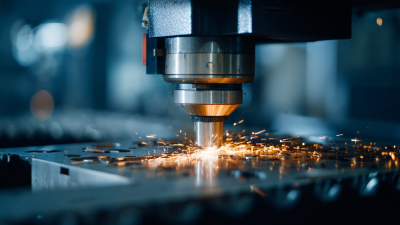
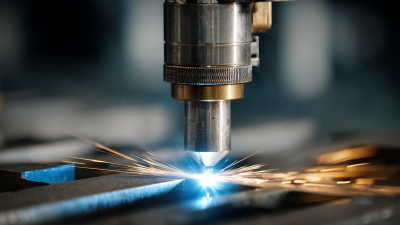
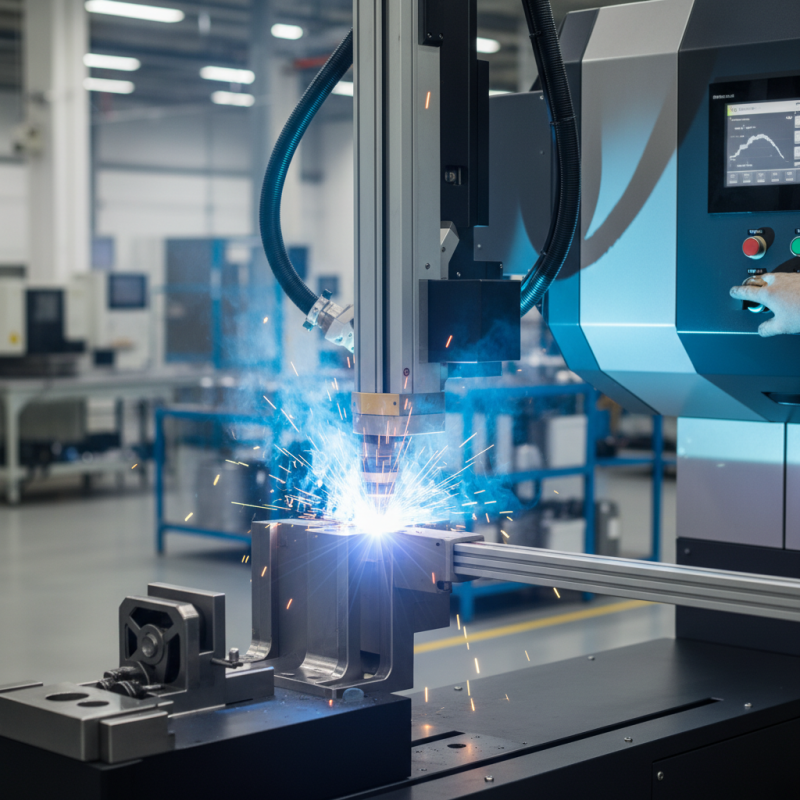
Metal laser welding technology is revolutionizing the manufacturing landscape. This method offers superior precision and increased efficiency, significantly reducing production times. According to recent industry reports, laser welding can achieve joining speeds of up to 10 meters per minute, outperforming traditional welding methods by up to 50%. This technology utilizes focused laser beams to melt metal, resulting in clean and strong welds with minimal distortion.
For efficient production, one effective tip is to maintain optimal laser settings. Adjusting the power and speed according to material thickness can enhance weld quality. Additionally, regular maintenance of the machine is crucial. A well-maintained machine can maintain peak performance levels and minimize downtimes.
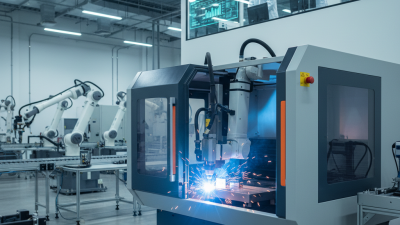
Another tip involves implementing automation in the welding process. Industry studies show that automated laser welding systems can boost productivity by 30%-70%. However, the initial investment can be high and may not suit every operation. It's important to analyze your specific production requirements and budget before making such decisions.
Efficiency of Metal Laser Welding Machines Based on Different Metals
Key Features of Metal Laser Welding Machines
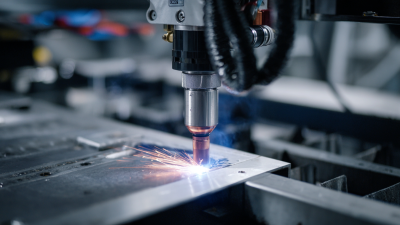
Metal laser welding machines have revolutionized the manufacturing landscape. These machines boast several key features that enhance efficiency and precision. First, they utilize a focused laser beam, which allows for high-quality welds. This focus minimizes heat-affected zones, reducing distortion in the material. Operators can produce consistent results with minimal manual adjustments.
Another important feature is the ability to weld various metals and thicknesses. This versatility makes them suitable for diverse applications. However, the complexity of settings often requires skilled operators. It’s crucial to understand machine calibration to achieve optimal results. A common issue is misalignment of components, leading to poor weld quality. Regular maintenance is essential to prevent these problems.
Furthermore, automation capabilities in these machines can streamline the production process. Automated systems increase output while reducing labor costs. Yet, relying too much on automation can lead to skills atrophy within the workforce. Balance is key; a team well-versed in both machine operation and traditional techniques often ensures quality output.
Best Practices for Setting Up a Metal Laser Welding Machine
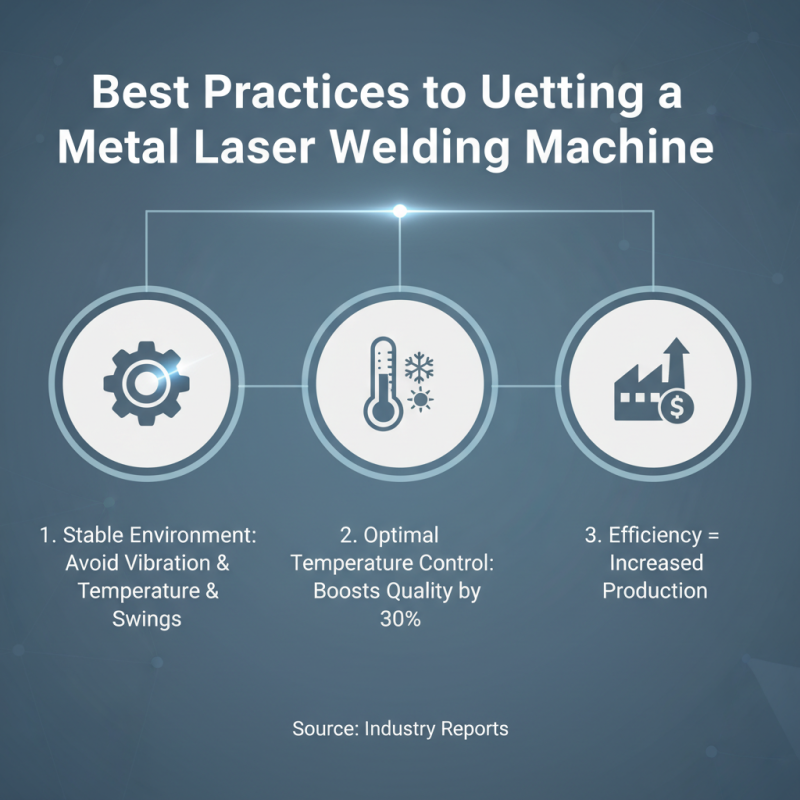
Setting up a metal laser welding machine efficiently is crucial for boosting production. To begin, the machine should be placed in a stable environment. Avoid areas with excessive vibrations or temperature fluctuations. According to industry reports, optimal temperature control can improve welding quality by up to 30%.
Proper calibration is essential. Regularly check the laser alignment and focus. This can significantly reduce defects in welds. Research shows that a 10% increase in precision can lead to a 25% decrease in rework. The choice of materials also matters. Ensure that the metals to be welded are compatible to avoid weak joints.
It’s important to maintain an organized workspace. This simplifies the welding process and reduces error rates. However, many operators overlook this aspect. Frequent breaks for clean-up can lead to lapses in focus. Thus, creating a routine for housekeeping can be beneficial. Ultimately, even small adjustments can lead to significant improvements in efficiency and quality.
Common Challenges in Laser Welding and How to Overcome Them
Laser welding offers precision and speed but comes with challenges that can disrupt production. One common issue is improper settings. Inadequate power levels or incorrect speed can lead to weak joints. It's crucial to fine-tune the machine settings based on the material type and thickness. Regularly checking and adjusting parameters can prevent costly mistakes.
Another challenge involves the presence of contaminants. Dust, oil, or rust can lead to weak welds. A clean workspace is essential to achieve optimal results. Implementing strict cleaning protocols before the welding process can enhance quality. Operators should also be trained to identify potential contaminants.
Additionally, distortion during the cooling phase may occur. Rapid heating and cooling can cause warping in parts. Using fixtures or clamps can help minimize distortion by keeping components in place during the cooling stage. Analyzing weld sequences can also improve alignment and stability.
Addressing these challenges not only improves efficiency but also enhances overall weld quality.
Monitoring and Maintaining Efficiency in Laser Welding Production
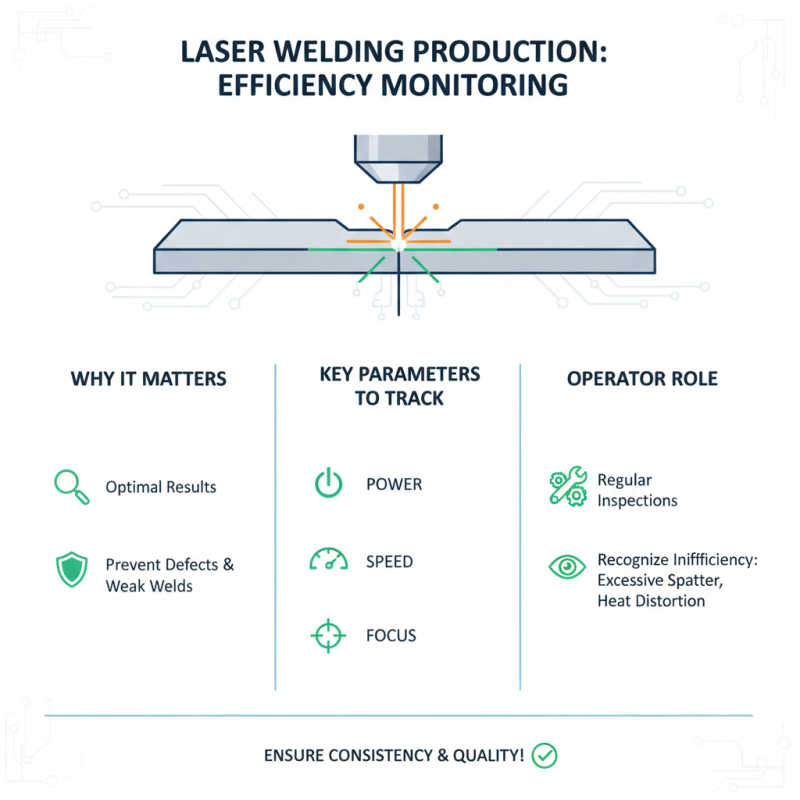
Monitoring efficiency in laser welding production is crucial for optimal results. Regular inspections can spot issues before they escalate. Tracking parameters such as power, speed, and focus ensures consistency. Inconsistent settings may lead to weak welds or defects. Operators should be trained to recognize signs of inefficiency, such as excessive spatter or heat distortion.
Maintaining the laser system is equally important. Dust and debris can interfere with beam quality. Regular cleaning of lenses can prevent issues. Observing how often the machine needs maintenance can reveal potential problems. Operators should keep logs on performance and any irregularities. This data aids in identifying trends.
Creating a culture of continuous improvement will benefit production. Encouraging feedback from operators can pinpoint areas for enhancement. However, not every process is perfect. Challenges may arise, such as unexpected machine downtime. Addressing these issues timely can help maintain productivity. Adopting a proactive approach leads to a more efficient welding operation.