What is a metal engraving machine and how does it work?
A metal engraving machine is a fascinating tool used in various industries. Its primary function is to engrave designs into metal surfaces. This process offers precision. Craftsmen use it to create intricate details that capture the eye. From jewelry to industrial parts, the applications are vast.
Understanding how a metal engraving machine works can seem daunting. The machine employs various techniques like laser engraving, rotary engraving, and chemical etching. Each method has its strengths and weaknesses. Sometimes, the technology may falter, leading to imperfect results. Users must be skilled to avoid common pitfalls.
Engraving machines offer creative possibilities. However, they require practice and patience. Mistakes can occur, causing frustration. Learning from these errors can enhance one’s skills. Overall, the metal engraving machine represents innovation and artistry, blending technology with human creativity.
What is a Metal Engraving Machine?
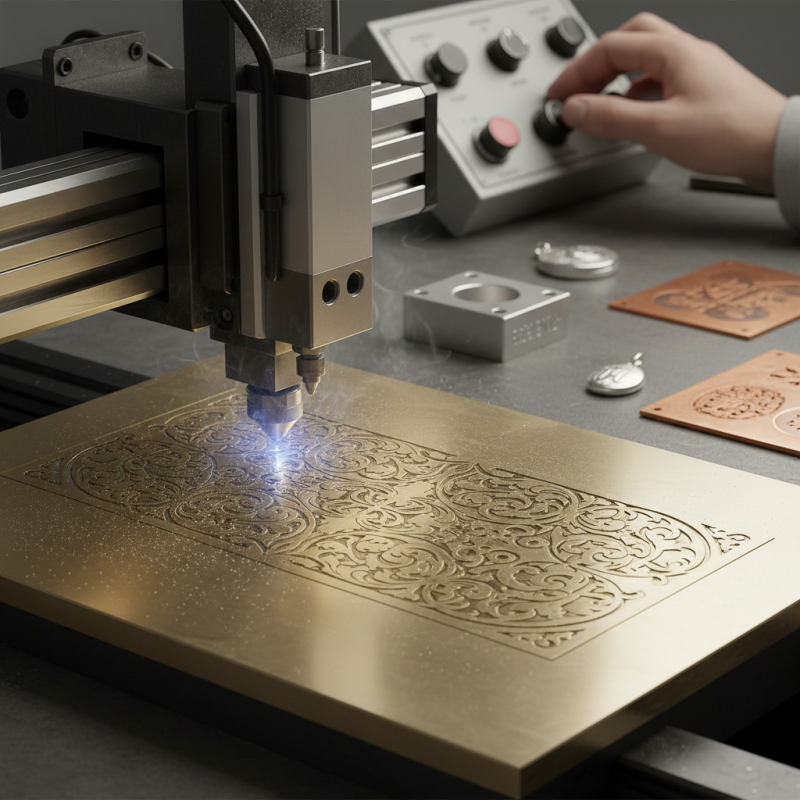
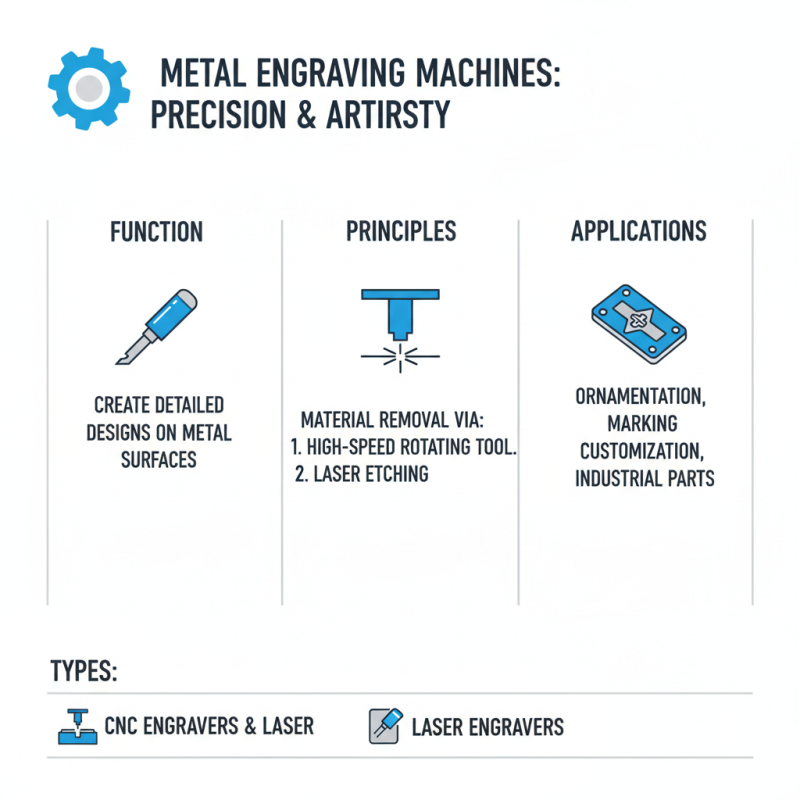
A metal engraving machine is a tool used to carve designs or texts into metal surfaces. This process enhances both aesthetics and functionality. These machines come in various types, including laser, rotary, and chemical engravers. Each type operates differently but shares the same goal of creating precise engravings. Often, a computer controls the machine, allowing for intricate designs and patterns.
When using a metal engraving machine, it’s essential to choose the right type of metal. Some metals respond better to engraving than others. For instance, softer metals like aluminum are easier to engrave compared to harder metals like steel. Experimenting with different materials might yield surprising results.
Tips: Always ensure your workspace is clean before starting. Dust and debris can impact engraving quality. Test the machine settings on scrap metal first. Doing this can help avoid mistakes on your main project. Remember, practice makes perfect. Each engraving session teaches something new, even if it doesn't turn out as expected. Embrace the learning process and refine your skills over time.
Types of Metal Engraving Machines and Their Applications
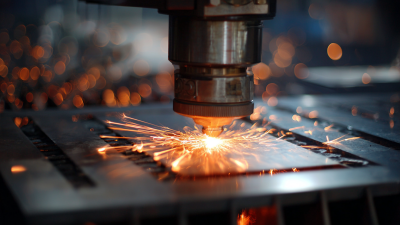
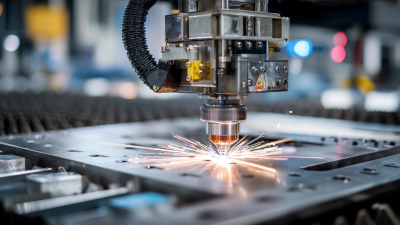
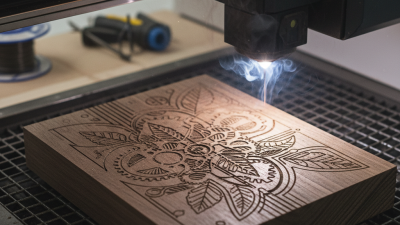
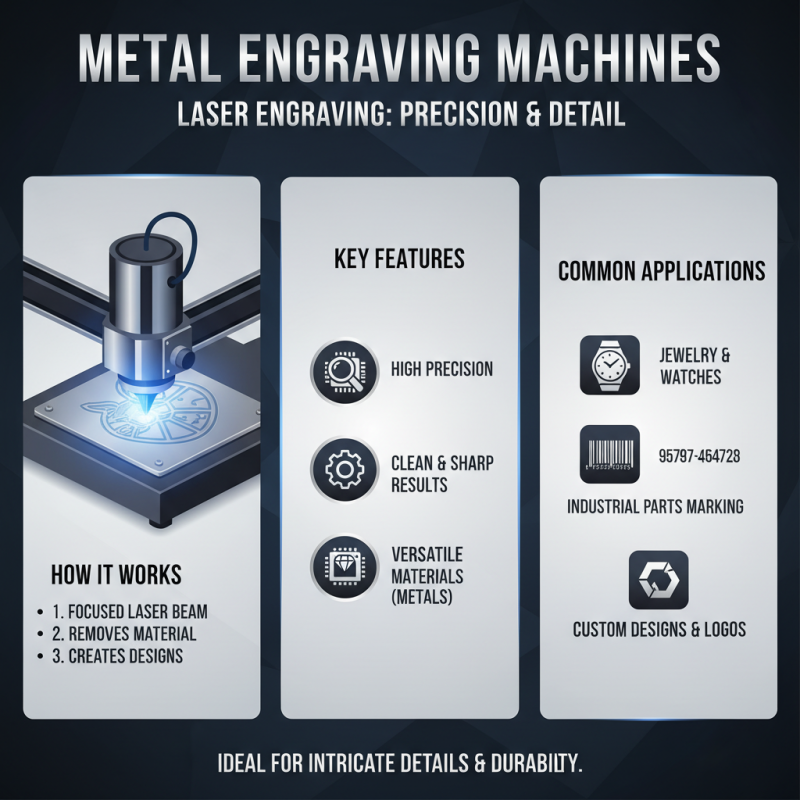
Metal engraving machines come in various types, each serving different applications. Laser engraving machines are popular for their precision. They use focused laser beams to etch fine details onto metal surfaces. This technology is ideal for creating intricate designs, logos, and serial numbers. The results are often sharp and clean, making them suitable for jewelry and industrial parts.
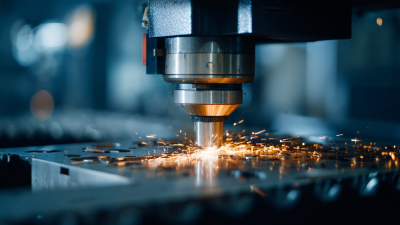
CNC engraving machines offer a different approach. They use a rotating cutting tool to carve into metal. This method is effective for deeper engravings and can work on various metal types. Businesses often use CNC machines for creating signage and personalized gifts. However, the learning curve can be steep, and mistakes can lead to wasted materials.
Rotary engraving machines are another option. They use a rotating bit to engrave designs onto metal. This type creates a unique texture and feel, often appreciated in trophies and awards. However, the process may require a steady hand and can be time-consuming. The choice of machine largely depends on the desired outcome and the user's experience level.
Key Features and Specifications of Metal Engraving Machines
Metal engraving machines are specialized tools for marking designs, logos, or text on metal surfaces. These machines use various techniques, including laser engraving, rotary engraving, and chemical etching. Each method has its unique advantages and applications.
Key features of these machines often include adjustable speed settings and depth control. Users can modify the parameters to achieve the desired engraving detail. A powerful, precise motor is essential for high-quality results. Some machines offer computer numerical control (CNC), automating the process and increasing accuracy. However, mastering this technology can be a challenge. Users may need to spend time familiarizing themselves with software and machine operation.
Specifications vary widely among models. Many machines support various metal types, such as aluminum and stainless steel. The working area size is crucial; smaller machines fit limited spaces. Larger ones accommodate more significant projects. Despite this, some users might struggle with finding the ideal balance between size and precision. Engraving depth also differs, impacting the visual appeal and durability of the engraving. Achieving the perfect outcome often requires experimentation and practice, leaving room for improvement.
Industry Trends and Innovations in Metal Engraving Technology
Metal engraving technology is evolving rapidly. This progress reflects the demand for precision and customization. Many industries use these machines, from jewelry to automotive parts. The latest machines now feature enhanced automation. They are more user-friendly and faster. This allows for greater efficiency in production.
Tips: Always keep your machine clean. Regular maintenance extends its life. Check for software updates frequently. Updates improve performance and add new features.
Innovations include laser engraving. This method offers high accuracy with minimal material loss. Another trend is the use of 3D engraving. It creates intricate designs that weren’t possible before. Users can explore endless design possibilities. However, mastering these techniques takes time. Some common mistakes include misalignment and inadequate settings. Learning from errors is part of the process.
Tips: Experiment with different materials. Not all metals engrave the same way. Take notes during tests to refine your techniques. Discovering the right settings can take patience. The journey might be bumpy, but it’s worthwhile.
What is a metal engraving machine and how does it work? - Industry Trends and Innovations in Metal Engraving Technology
| Feature |
Description |
Applications |
Recent Innovations |
| Type of Engraving |
Laser, CNC, Chemical, or Manual |
Jewelry, Electronics, Automotive, Industrial Marking |
Integration with AI for precision and efficiency |
| Material Compatibility |
Steel, Aluminum, Brass, Copper |
Custom Parts, Nameplates, and Awards |
Use of fiber lasers for improved performance on metals |
| Engraving Speed |
Varies by machine type and application |
Mass production and prototyping |
Higher throughput with advanced automation |
| Precision |
High-precision capabilities down to microns |
High-end finishes and intricate designs |
Adaptive optics for enhanced focus and detail |
| Ease of Use |
User-friendly interfaces with design software |
Prototyping and customization |
Cloud-based design integration for remote access |