1101 W. Sanilac Rd. Caro, MI 48723
989.673.6690
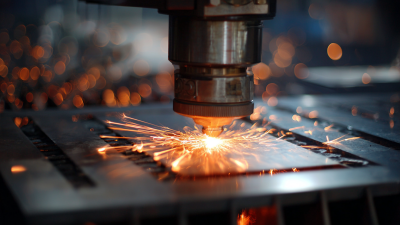
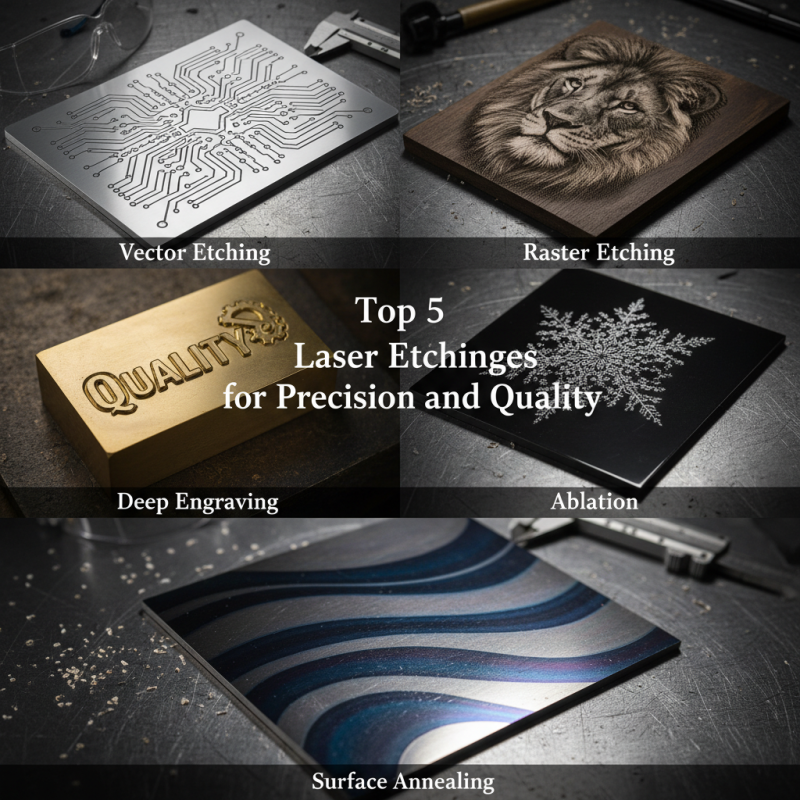
Laser etching has transformed the landscape of precision design and manufacturing. This advanced technique offers unmatched accuracy and detail, making it a favorite among artisans and industries alike. By harnessing the focused energy of lasers, creators can engrave intricate patterns and designs on various materials, elevating both aesthetics and functionality.
In today’s competitive market, understanding the best laser etching techniques is crucial. It can significantly enhance product quality and precision. Each method varies in application and results, and knowing their strengths can be the key to achieving desired outcomes. With extensive experience in this field, we explore the top five approaches that guarantee effectiveness and consistent quality.
As with any technology, laser etching is not without its challenges. Each technique presents unique considerations that can require careful reflection and adjustment. Adopting the right method involves balancing precision and artistic vision. It’s vital to choose the right technique for your specific needs. Embracing this innovative process can elevate your projects to new heights.
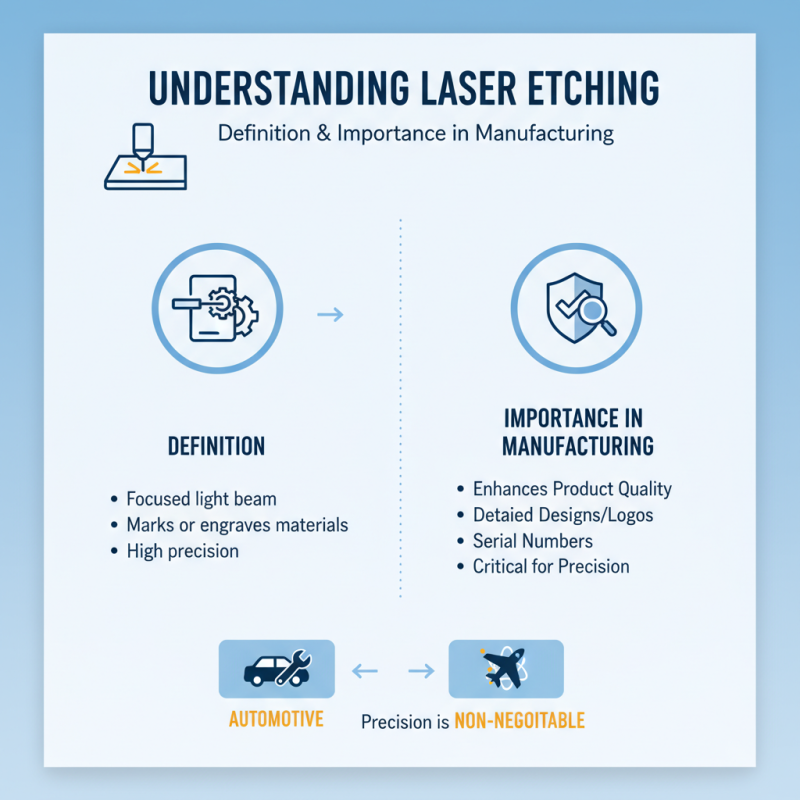
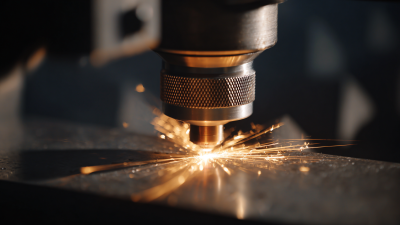
Laser etching is becoming increasingly vital in modern manufacturing. This technique involves using a focused beam of light to mark or engrave materials with high precision. Understanding laser etching starts with recognizing its importance. It enhances product quality by providing detailed designs, logos, or serial numbers. This specificity is critical in industries like automotive and aerospace, where precision is non-negotiable.
Precision in laser etching directly impacts production efficiency. High-quality etching reduces errors and rework, saving time and costs. However, achieving the perfect etch can be challenging. Material choice, beam intensity, and speed of movement all influence the final outcome. Sometimes, the settings may not yield the expected results, leading to a need for adjustments and testing.
In addition to precision, laser etching offers versatility. It can be applied to various materials, including metals, plastics, and wood. However, not all materials respond equally well. Some may warp or discolor, which can lead to unsatisfactory results. Acknowledging these potential pitfalls is crucial for manufacturers looking to maximize the benefits of laser etching. Proper training and experimentation are essential for honing this valuable technique.
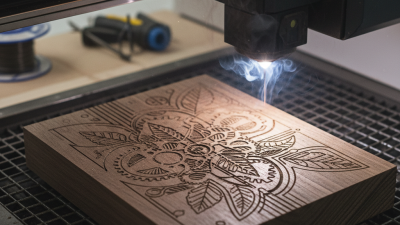
Laser etching is a versatile technique used across various industries. Understanding the materials suitable for this process is crucial for achieving high precision and quality. Metals such as stainless steel and aluminum are popular choices. Their durability makes them ideal for creating long-lasting designs. Plastics, like acrylic and polycarbonate, also work well. They are lightweight and can achieve intricate details.
When selecting materials, consider the project’s requirements. Some metals may require pre-treatment for optimal results. Additionally, certain plastics can melt if the power settings aren’t adjusted correctly. Always perform a test etch on scrap material to determine the ideal settings for your laser machine.
For best practices, ensure proper ventilation. Some materials may release toxic fumes during etching. Also, think about the finish you desire. A polished metal might need different settings compared to textured or brushed surfaces. Be aware that not all materials will etch uniformly, leading to inconsistent results. Reflect on your material choices to ensure they align with your design goals.
Laser etching has transformed how industries achieve precision and quality in their products. Among various methods, CO2, fiber, and YAG lasers stand out for their unique advantages. CO2 lasers are exceptional for organic materials like wood and acrylic. They offer smooth edges and intricate designs. However, they might struggle with metals. This limitation prompts users to consider alternative techniques.
Fiber lasers shine when working with metals. They provide excellent depth and clarity on surfaces. Their speed is impressive, making them a go-to for high-volume projects. Yet, they may require more investment upfront. YAG lasers are versatile, performing well across various materials. They are particularly effective for deep engraving. But their maintenance can be tricky, requiring regular checks to ensure efficiency.
Many professionals encounter challenges when choosing the right laser for specific tasks. Understanding the material properties is crucial. Each technique has its quirks, leading to potential mishaps if not handled properly. It’s essential to weigh the pros and cons actively. Ultimately, the right choice hinges on the project’s requirements and desired outcomes.
| Technique | Type of Laser | Material Compatibility | Precision Level | Typical Applications |
|---|---|---|---|---|
| CO2 Laser Etching | CO2 Laser | Wood, Acrylic, Paper | High | Signage, Gifts, Decorative Items |
| Fiber Laser Etching | Fiber Laser | Metals, Plastics | Very High | Machinery Parts, Identification Plates |
| YAG Laser Etching | YAG Laser | Glass, Metals | High | Jewelry, Medical Devices |
| UV Laser Etching | UV Laser | Plastics, Glass | Very High | Electronics, Packaging |
| Green Laser Etching | Green Laser | Metals, Ceramics | High | Semiconductors, Medical Equipment |
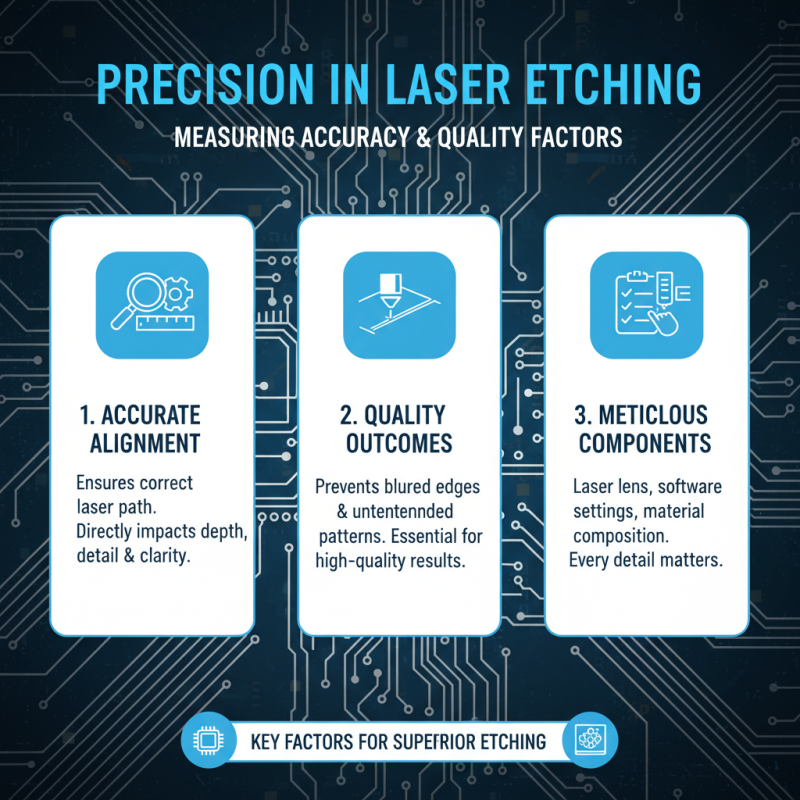
Precision in laser etching is vital for achieving high-quality results. Accurate measurements ensure the laser's path is correctly aligned with the material. This alignment affects depth, detail, and clarity of the etching. Misalignment can lead to blurred edges and unintended patterns. Each component, from the laser lens to the software settings, requires meticulous attention to detail.
Factors influencing accuracy include laser speed, focus, and power levels. The material type also plays a crucial role. For example, metals behave differently than wood or acrylic under laser etching. An understanding of these variations is crucial and often overlooked. Operators must regularly calibrate machines to maintain standards. User experience also impacts quality; improper handling can introduce errors, highlighting the need for training and practice.
Regular quality checks are essential. Operators should inspect output frequently. Small defects might go unnoticed but can compromise the overall design. Even a minute deviation impacts the final product’s integrity. Continuous improvement in techniques and attention to detail contribute to better etchings. Reflecting on past mistakes allows for progress and refinement in skills, fostering a culture of excellence in laser etching.
Laser etching has found significant applications across diverse industries, particularly in
aerospace and
medical devices.
In aerospace, precision is not just a requirement; it's a necessity. Parts must endure extreme conditions, which means any etching must be accurate and resilient.
Engineers often rely on laser etching to mark components with serial numbers or safety information.
This process creates durable markings that withstand heat and corrosion, ensuring safety and reliability.
In the medical field, the stakes are equally high. Laser etching offers a sterile method for marking surgical instruments.
This reduces the risk of contamination, a critical factor in surgeries. Not only can etching provide identification, but it also enhances traceability for devices like implants.
However, the challenge lies in ensuring that the etch does not compromise the instruments' integrity. Medical professionals stress the need for
continuous refinement of techniques for optimum outcomes. The quest for perfection is a journey rather than a destination in these vital industries.