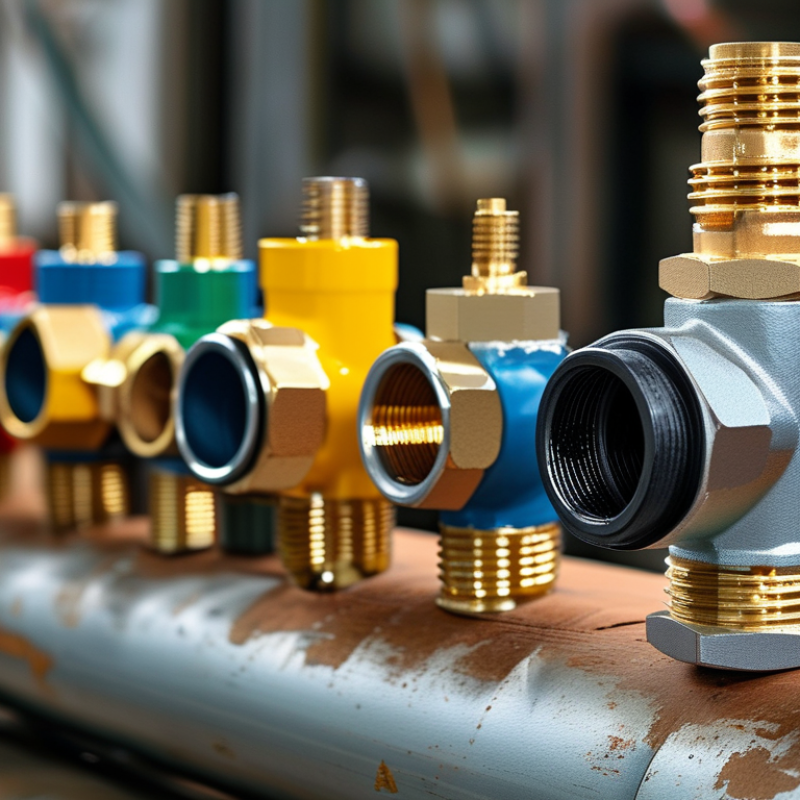
2026 How to Choose the Best Quick Connect Fitting Options?
In the world of plumbing and fluid systems, choosing the right Quick Connect Fitting is crucial. These fittings are designed to make connections quickly and efficiently. However, selecting the best option can be challenging. There are many types on the market, each serving specific purposes.
A Quick Connect Fitting can save time and reduce the likelihood of leaks. However, not all fittings are created equal. It’s essential to consider materials, pressure ratings, and compatibility with existing systems. A wrong choice might lead to significant issues down the line.
Understanding your specific needs is vital. You might face difficulties in deciding among various brands and models. Some products may look appealing but lack durability. Reliable guidance can help you make an informed decision that works for your application. Make the right choice for efficiency and safety.
Understanding Quick Connect Fittings: Types and Applications
Quick connect fittings are crucial in various applications across industries. They simplify connections in plumbing, air, and fluid systems. Understanding the different types of quick connect fittings is essential for choosing the right option. Common types include push-to-connect fittings, barbed fittings, and camlock fittings. Each serves a unique purpose based on the specific needs of the system in use.
Push-to-connect fittings allow for easy installation and disconnection. They work well in tight spaces, making them ideal for residential plumbing. Barbed fittings, on the other hand, are great for securing hoses with a tight grip. These are often used in gardening and irrigation. Camlock fittings offer a quick coupling mechanism, often found in industrial applications, where quick access is necessary.
When selecting quick connect fittings, consider the materials involved. Compatibility between the fitting and the substance it will carry is vital. Some fittings may not withstand certain chemicals, leading to failures. Avoiding mismatched materials can save time and resources in the long run. Practical experience with various fittings can greatly inform your choice. It's not just about the fitting; it’s about how they fit into your system’s design.
2026 How to Choose the Best Quick Connect Fitting Options?
| Type | Material | Pressure Rating (psi) | Temperature Range (°F) | Application |
| Push-to-Connect | Brass | 150 | 32 to 140 | Water Supply |
| Barbed Fittings | Plastic | 100 | 0 to 120 | Irrigation Systems |
| Threaded Connectors | Stainless Steel | 300 | -40 to 450 | Industrial Applications |
| Cam Lock Couplings | Aluminum | 250 | 32 to 180 | Liquid Transfer |
Key Factors to Consider When Choosing Quick Connect Fittings
When choosing quick connect fittings, several key factors come into play. Material selection is crucial. Fittings are commonly made from brass, plastic, or stainless steel. Each material type has specific advantages. For example, brass offers durability, while plastic is lightweight and resistant to corrosion. Consider the application environment when selecting the material. Humidity or exposure to chemicals can affect performance.
Another important aspect is the size and compatibility of the fittings. Measure your hoses or pipes to ensure a snug fit. Mismatched sizes can lead to leaks or failures. It may be beneficial to keep a variety of sizes on hand for flexibility. Pay attention to the connection mechanism as well. Some fittings use push-to-connect technology, while others might require tightening. Make a choice based on your usage frequency and maintenance capability.
Weigh the costs against the quality. Cheaper options might seem appealing but could lead to long-term issues. Investing in high-quality fittings can save time and prevent replacements. Testing various options can help identify the best fit for your needs. Sometimes, practical use reveals shortcomings. Reflect on past experiences to refine your choices for future projects.
Material Selection for Durability and Compatibility
When selecting quick connect fittings, material choice plays a pivotal role in ensuring durability and compatibility. Common materials include brass, stainless steel, and plastic. Each option has unique properties that can significantly affect performance. Brass fittings are robust but may corrode in harsh environments. Stainless steel offers excellent corrosion resistance but often comes at a higher cost. Plastic fittings are lightweight and resistant to various chemicals, but they may lack the strength for high-pressure applications.
Compatibility is another crucial aspect. Different materials may react adversely when in contact. For instance, brass and aluminum can create galvanic corrosion. It's essential to consider the medium you’ll be connecting. Water, oil, or aggressive chemicals each require specific materials to prevent degradation. Users often overlook these factors, leading to premature failure of fittings.
In practice, choosing the right material involves a balance of cost, performance, and application requirements. Assessing the environment and expected pressures is imperative. Where possible, consult experts or reference guidelines to avoid common pitfalls. Each application may require a different solution, and learning from past selections can lead to better decisions in the future. Making informed choices based on reliable data ensures long-term performance and safety.
Common Mistakes to Avoid in Quick Connect Fitting Selection
When selecting quick connect fittings, avoiding common mistakes can save time and resources. One major error is overlooking compatibility. Different applications may require specific fitting types. According to industry reports, about 30% of users face issues due to mismatched fittings. Always check the specifications of your equipment and the fitting materials to ensure proper compatibility.
Another common pitfall is neglecting to evaluate the operating environment. Factors like temperature, pressure, and exposure to chemicals can impact the durability of your fittings. A survey revealed that 24% of users experienced premature failure due to environmental oversights. Assess your working conditions carefully before making a purchase.
Consider these essential suggestions. Look for fittings that offer reliable seals. Testing pressure ratings can provide insight into performance. Don't forget to double-check threaded connections as they often lead to leaks. It’s also wise to consult industry guidelines or standards to ensure that you are making informed choices. This approach will help to enhance safety and longevity in your fluid systems.
Maintenance Tips for Ensuring Optimal Performance of Fittings
When choosing quick connect fittings, it's essential to consider maintenance practices. Regular inspection can prevent unexpected failures. Checking for wear and tear helps identify potential issues early on. Look for signs of leaks or corrosion. These indicators can compromise the connection and lead to system inefficiencies.
Cleaning fittings regularly ensures optimal performance. Dust and debris can accumulate, affecting the fitting's integrity. A simple wipe down with a soft cloth can make a difference. Additionally, lubricating connections can aid in smooth operation. Apply appropriate lubricant sparingly to avoid attracting dirt.
Documenting maintenance activities is valuable. Keeping records helps track service intervals and potential problems over time. This practice fosters accountability and informs your maintenance strategy. A proactive approach to maintaining fittings enhances their durability and performance. Reflecting on past issues can lead to better decisions in the future. Regular attention to detail pays dividends in functionality and reliability.