What is a Desktop Laser Engraver and How Does it Work?
Desktop laser engravers have revolutionized the manufacturing industry. These machines combine precision and versatility, making them essential for various applications. According to a report by MarketsandMarkets, the desktop laser engraving market is projected to reach $4.2 billion by 2025, reflecting a growing demand among small businesses and hobbyists.
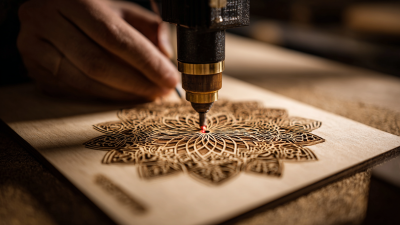
A desktop laser engraver operates by directing a focused laser beam onto materials, effectively carving intricate designs. This technology allows users to work with various substrates, ranging from wood to acrylic. Despite their capabilities, the setup and calibration can be challenging. Many users struggle with optimizing settings for different materials. Ensuring consistent output quality can require significant trial and error, which is often a point of frustration.
Nonetheless, the desktop laser engraver offers tremendous opportunities for creativity. The potential to personalize products adds a unique value proposition. Users can create custom designs that cater to niche markets. However, navigating the learning curve is crucial for achieving desired outcomes. Successful implementation can lead to significant rewards in product differentiation and market competition.
What is a Desktop Laser Engraver? Definition and Basic Concepts
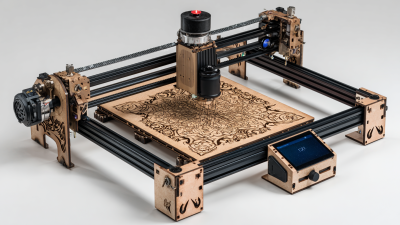
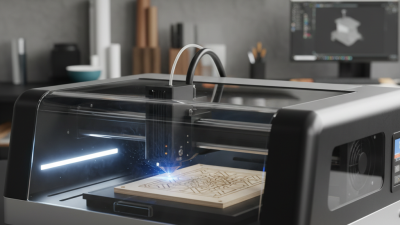
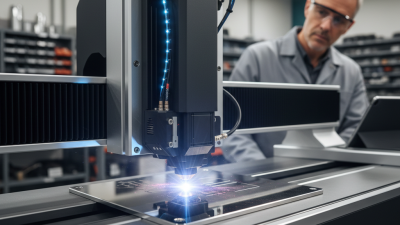
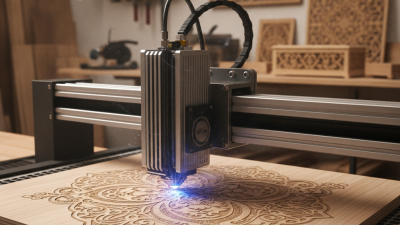
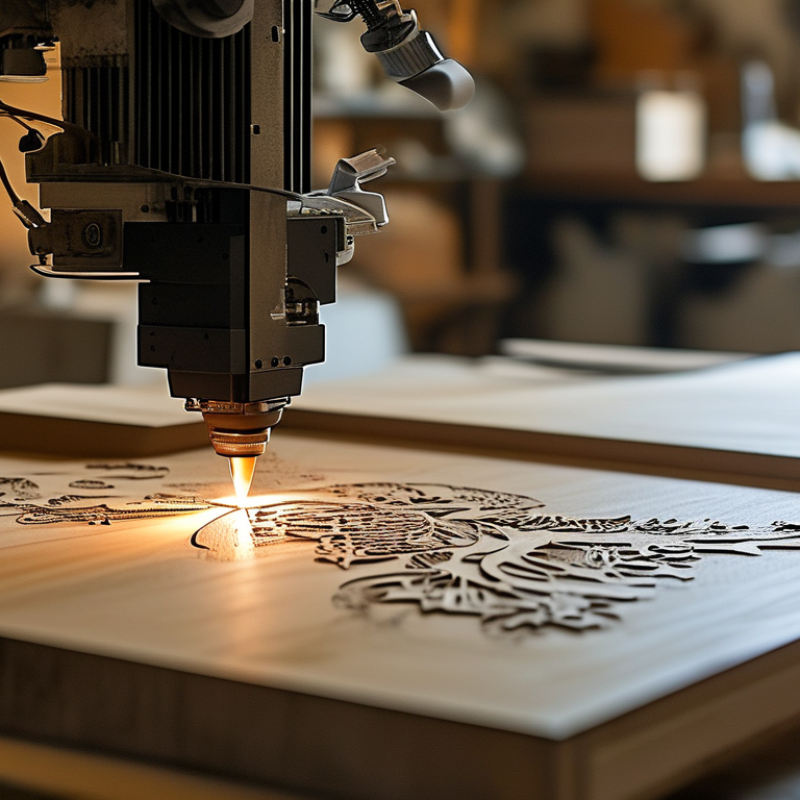
A desktop laser engraver is a compact machine that uses laser technology to engrave or cut materials like wood, acrylic, and metal. It works by focusing a high-powered laser beam onto the material's surface. This beam vaporizes the material, creating precise designs and patterns. The process is highly detailed, allowing for intricate artwork and personal touches that enhance various projects.
Understanding the basic concepts behind a desktop laser engraver is crucial. These machines come with software that converts digital images into engravable formats. Users can manipulate designs with ease, adjusting size and depth. However, the learning curve can be steep. Experimenting often leads to unexpected results. One may need multiple trials to achieve the desired effect.
While desktop laser engravers are user-friendly, they require regular maintenance for optimal performance. Dust and debris can accumulate quickly. Users should inspect lenses and mirrors frequently. This attention to detail ensures longevity and reliability in results. Mistakes can happen, which is a normal part of the learning process. Embracing these challenges can lead to improved skills and a deeper appreciation for the craft.
The Technology Behind Laser Engraving: How It Works and Types of Lasers
Laser engraving technology uses focused light to etch designs onto various materials. This process involves different types of lasers, each serving unique purposes. CO2 lasers, which can cut and engrave wood, acrylic, and glass, are widely used in desktop models. These lasers emit light through a gas mixture, producing high-quality engravings.
Another type is the fiber laser, which is effective on metals and certain plastics. It uses solid-state technology and is renowned for its speed and efficiency. With fiber lasers, precision is key. They produce finer details, making them suitable for jewelry and intricate designs.
The power settings and speed of the laser are crucial. Too high a power can burn the material, while too low won't yield visible results. Experimentation is often necessary to find the right balance for various materials. Users frequently face challenges with settings, requiring a fine-tuning process to achieve desired outcomes. Overall, the technology behind laser engraving offers great potential, but understanding the nuances is essential for success.
Types of Lasers Used in Desktop Laser Engravers
This chart displays the distribution of different types of lasers commonly used in desktop laser engravers. The data highlights the prevalence of each laser type in this technology.
Applications of Desktop Laser Engravers in Various Industries
Desktop laser engravers are revolutionizing multiple industries by offering precise engraving and cutting capabilities. These machines utilize focused laser beams to etch designs onto various materials, including wood, acrylic, and metal. This technology has found numerous applications across several sectors, from crafts to manufacturing.
In the craft industry, laser engravers enable artists to create intricate designs with minimal effort. Crafters can produce personalized gifts, custom jewelry, and unique home décor items. Similarly, in the signage industry, businesses use laser engravers for creating custom signs that enhance their branding. This process allows for quick adjustments, making it easier for companies to revise designs.
Moreover, the manufacturing sector has embraced laser engraving for functional components. It provides superior precision in marking parts for identification. However, challenges still exist, such as the learning curve in mastering the software associated with these machines. Users often need to experiment and refine their skills. The evolving technology requires continuous adaptation, making it essential for users to stay updated on advancements in laser engraving techniques.
Key Specifications and Features to Consider When Choosing a Laser Engraver
When selecting a desktop laser engraver, several specifications and features are crucial. The power of the laser is a primary consideration. Engravers typically range from 5W to 150W. Higher wattage offers faster engraving and deeper cuts, suitable for diverse materials. According to industry data, 40% of users prioritize power when choosing a machine.
Another key factor is the engraving area. A larger work surface allows for more extensive projects without repositioning materials. The standard size for hobbyists is around 12" x 20", suitable for most home applications. However, professionals might need larger areas to handle bulkier items. Research indicates that 25% of engraver owners struggle due to limited workspace.
Additionally, consider the software compatibility. Effective software can streamline the engraving process. Many machines work with popular design programs. A lack of compatibility can lead to frustrating setbacks. Almost 33% of buyers regret not prioritizing software usability. It's vital to ensure that the machine suits both current and future project needs.
What is a Desktop Laser Engraver and How Does it Work?
| Specification |
Value |
| Laser Type |
CO2 Laser |
| Engraving Area |
12"x20" |
| Max Engraving Speed |
600 mm/s |
| Power Output |
40W / 60W / 80W |
| Compatible Materials |
Wood, Acrylic, Leather, Glass, Metal Coating |
| Software Compatibility |
CorelDRAW, AutoCAD, Inkscape |
| Connection Interface |
USB, Ethernet |
| Cooling System |
Water Cooled |
| Safety Features |
Emergency Stop, Exhaust Fan, Protective Cover |
Market Trends: Growth Rate and Future Projections for Laser Engraving Industry
The laser engraving industry has seen significant growth recently. According to industry reports, the market is projected to expand at a compound annual growth rate (CAGR) of approximately 7.5% from 2023 to 2028. This growth is driven by rising applications in numerous sectors, including manufacturing and personalized goods. A Desktop Laser Engraver’s accessibility has made engraving technology more popular among small businesses and hobbyists.
As the demand for customized products increases, the laser engraving sector must adapt. Reports indicate that nearly 70% of consumers now prefer personalized items. This trend presents both opportunities and challenges. Companies must invest in innovative technology and materials to meet customer demands while managing costs. The emergence of new materials such as bamboo and recycled plastics for engraving also raises questions about sustainability. Businesses must consider their environmental impact as they adapt to these market trends.
Competition in the laser engraving market is intensifying. New players are entering, offering lower prices but varying product quality. This situation creates pressure on established companies to maintain standardization while remaining competitive. Industry stakeholders need to carefully assess these dynamics. The balance between achieving high-quality output and cost-efficiency is critical for lasting success in this evolving landscape.