What is a Cooling Tower and How Does it Work?
cooling towers are essential in many industries, helping to regulate temperatures in various processes. They play a crucial role in energy efficiency and are often used in power plants, manufacturing, and HVAC systems. According to a research report by the International Energy Agency, cooling towers can reduce energy consumption by up to 30%. This makes them vital for sustainable operations.
Dr. John M. Smith, a cooling tower expert, emphasizes, “Effective cooling tower operation is key to energy savings.” His insight highlights the importance of understanding how these systems work. Cooling towers utilize water to absorb heat, allowing for greater efficiency. However, they can face challenges, such as water quality and system design issues, which need careful consideration.
Many facilities overlook maintenance aspects. This can lead to inefficiencies and increased costs. Failing to address these areas may hinder the potential benefits of cooling towers. As industries strive for better resource management, recognizing the true value of these systems is imperative. With proper understanding and care, cooling towers can significantly contribute to operational success.
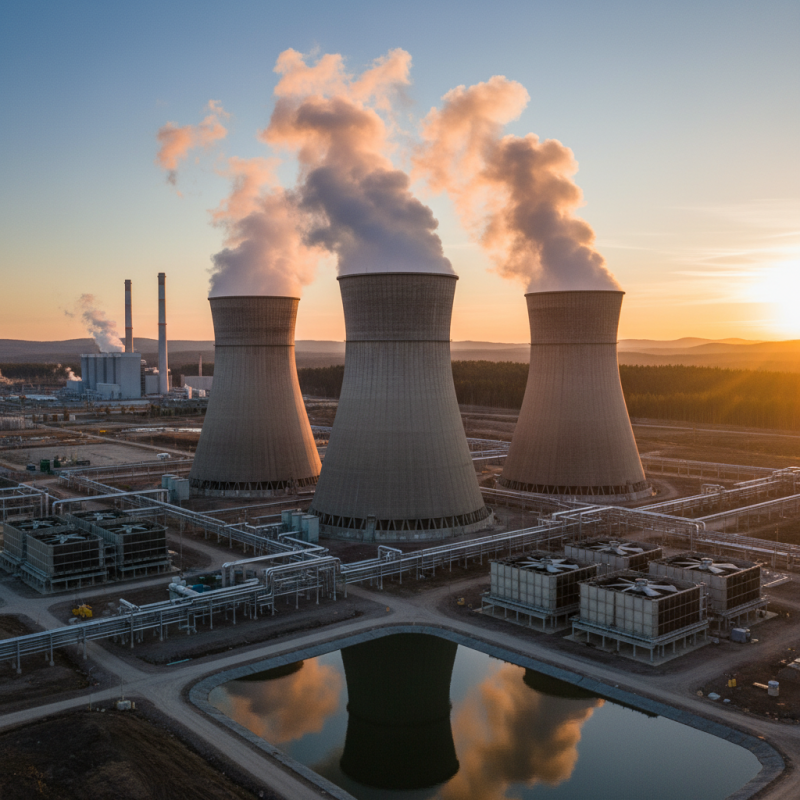
What is a Cooling Tower?
Cooling towers are vital in many industrial processes. They help dissipate heat from machinery, keeping operations efficient. These structures work by utilizing water to absorb and transfer heat, which is then released into the atmosphere.
According to the International Energy Agency, cooling towers are responsible for reducing energy consumption by up to 30% in certain applications. However, they can be prone to issues like scale buildup and biological growth. Regular maintenance is necessary to ensure optimal performance. This can sometimes be overlooked, leading to inefficient cooling and higher operational costs.
The design of a cooling tower often varies based on its application. Some towers use forced draft systems, while others rely on natural drafts. Each design has its advantages and disadvantages. For instance, while natural draft cooling towers can be more energy-efficient, they require more space. Understanding these intricacies is crucial for optimizing heat exchange processes in various settings.
Cooling Tower Efficiency Comparison
The Basic Principles of Cooling Tower Operation
Cooling towers are vital for various industries. They help expel heat from industrial processes, ensuring equipment runs efficiently. The basic principle of a cooling tower involves the exchange of heat. Hot water enters the tower, where it meets incoming air. The air absorbs some of this heat, cooling the water before it recirculates.
Cooling towers work mainly through evaporation. As water falls through the tower, some evaporates and takes heat away. Data from industry reports shows that effective cooling tower operation can save energy costs by up to 30%. This not only lowers operational expenses, but also minimizes environmental impact.
Tip: Regular maintenance is crucial. Ensure that the water quality is consistently monitored. Contaminated water may reduce efficiency and lead to higher costs. Additionally, check the fill media regularly. Damage to these components can significantly impact cooling capacity. Efficient operation not only benefits the equipment but also reduces potential downtime.
Types of Cooling Towers and Their Applications
Cooling towers are essential in many industrial and commercial applications. They help regulate temperatures in processes like HVAC systems, power generation, and manufacturing. There are two primary types: open and closed cooling towers. Each type serves different needs based on efficiency and environmental conditions.
Open cooling towers use air to cool water via evaporation. They are common in power plants and chemical processing facilities. Closed cooling towers recirculate water to minimize evaporation and are often found in data centers. These towers can be more efficient but may require more maintenance. Understanding your specific needs is key to selecting the right type.
Tip: Regularly inspect cooling towers for scaling and corrosion. This helps maintain efficiency and extends their lifespan.
Different applications might demand unique designs. Factors like space availability and local climate play vital roles. A cooling tower can improve overall system performance when chosen wisely.
Tip: Always consult with professionals if you're unsure about installation or maintenance. This could save time and costs in the long run.
Key Components of a Cooling Tower
Cooling towers are essential components in many industrial systems. They dissipate excess heat to ensure efficient operation. Understanding the key components of a cooling tower helps in grasping its functionality.
One primary part is the fill. This material increases the surface area for water contact with air. More surface area means better cooling. The water flows downward through the fill, while air moves upward. This counterflow design enhances heat exchange. The fill requires regular maintenance to avoid scaling and clogging.
Another important component is the fan. It circulates air through the tower. Fans can be axial or centrifugal. They must be energy efficient to reduce operational costs. Additionally, the basin collects cooled water and returns it to the system. Regular checks are vital to prevent leaks and ensure optimal function. Not all cooling towers operate similarly, which adds to the complexity of their management. Understanding these components can lead to better maintenance practices.
What is a Cooling Tower and How Does it Work? - Key Components of a Cooling Tower
| Component | Description | Function |
| Fill Media | Material that provides surface area for heat exchange. | Facilitates cooling by allowing water to spread and evaporate. |
| Fan | Mechanical device that moves air. | Enhances air movement to improve evaporation rates. |
| Water Distribution System | Pipes and nozzles used to distribute water evenly. | Ensures optimal water coverage over fill media. |
| Drift Eliminators | Devices that capture water droplets from the air stream. | Reduces water loss and improves efficiency. |
| Heat Exchanger | Component for transferring heat to or from the process fluid. | Enhances cooling by facilitating heat transfer. |
Maintenance and Efficiency Considerations for Cooling Towers
Cooling towers are vital in many industries. They regulate temperatures by removing excess heat from systems. To function efficiently, these towers require regular maintenance. Neglected towers can lead to several problems, including reduced efficiency and increased operational costs.
Routine inspections are necessary. Check for debris and scaling in the water. Clean the fill material periodically to ensure proper air and water flow. Monitoring water quality is crucial. Unchecked, it can lead to corrosion and biological growth, which can severely impact performance.
Energy efficiency is also a consideration. Cooling towers should be properly sized for the system's needs. Overworked towers consume more energy. Regular maintenance enhances their lifespan, but many facilities overlook this aspect. The cost of neglect can be significant. Operators need to prioritize ongoing assessments and take proactive steps.