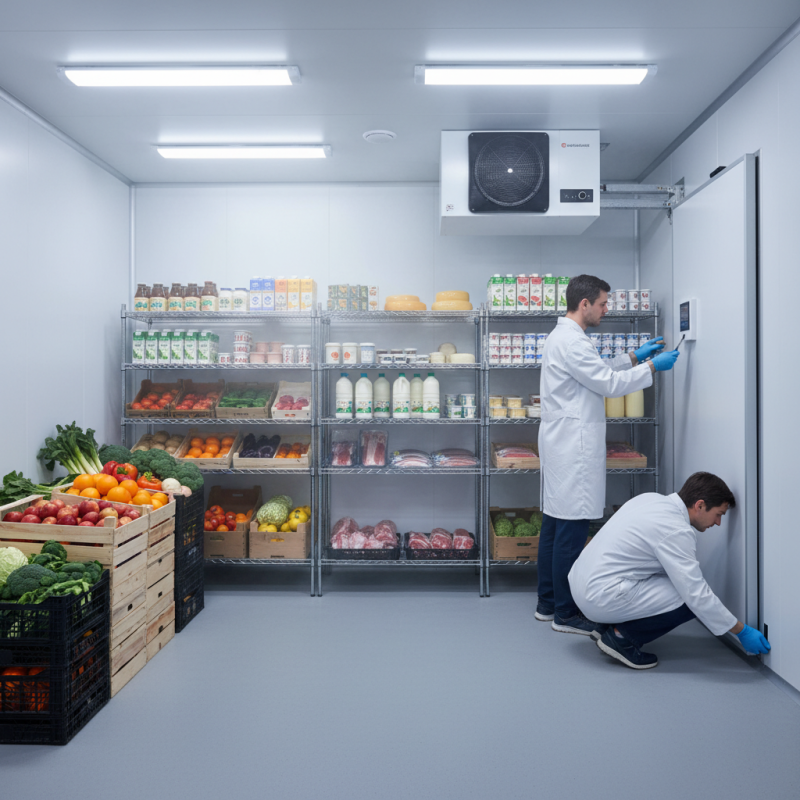
Why is Cold Room Maintenance Essential for Your Business?
Cold Room Maintenance is crucial for any business relying on refrigeration. Neglecting these spaces can lead to costly repercussions. Maintaining the right temperature ensures food safety and preserves product quality. It also reduces energy costs, boosting efficiency.
Regular inspections can prevent breakdowns. A malfunctioning cold room can disrupt operations and lead to substantial losses. Businesses must recognize that even small issues can escalate. For instance, a minor leak could lead to significant spoilage if left unnoticed.
Investing in Cold Room Maintenance reflects a commitment to quality. Customers expect freshness and safety in products. A reliable cold room system can enhance your reputation. However, it requires ongoing attention and care. A reactive approach may result in missed opportunities and profit loss. Prioritize maintenance to maintain operational integrity and customer trust.
Importance of Cold Room Maintenance for Operational Efficiency
Cold room maintenance plays a critical role in ensuring operational efficiency across various industries. For instance, consistent temperature control prevents spoilage and maintains product quality. A report by the Food Safety Authority states that improper temperature management can lead to a 30% increase in food waste. This statistic highlights the stakes involved for businesses reliant on cold storage.
Frequent checks and proper maintenance can significantly reduce energy consumption. The U.S. Department of Energy indicates that well-maintained refrigeration systems can operate 10-15% more efficiently. This not only lowers operational costs but also contributes to sustainability goals. However, many businesses neglect these essential practices. A survey found that 40% of companies underestimate the value of regular maintenance. The result? Increased repair costs and disruptions in service.
Inadequate maintenance can lead to unpredictable breakdowns. A single failure can halt operations, impacting revenue and customer trust. The average cost of unplanned downtime can reach up to $260,000 per hour in some sectors. Such figures provoke reflection on the crucial need for a proactive maintenance strategy. Regular inspections and updates are necessary for optimizing performance and ensuring reliability.
Key Components of Cold Room Systems That Require Regular Maintenance
Maintaining a cold room is crucial for businesses that rely on temperature-sensitive products. Regular upkeep ensures the system operates efficiently. Key components of cold room systems need attention to prevent equipment failure.
One critical element is the refrigeration unit. Dust and debris can accumulate on coils, reducing efficiency. Schedule routine cleaning to ensure optimal performance. Regularly check the refrigerant levels; low levels can lead to increased energy costs and reduced cooling.
Another major component is the insulation. Damaged insulation can cause air leaks, compromising temperature control. Inspect the walls and doors for any signs of wear. Sealing gaps can improve efficiency significantly.
Tips: Monitor the temperature regularly. Use data loggers to track fluctuations. This proactive approach can alert you to potential problems before they escalate. Create a maintenance checklist. A detailed plan keeps everything on track and helps avoid oversights.
Common Maintenance Practices to Ensure Optimal Cold Room Performance
Cold room maintenance is vital for businesses that rely on temperature-sensitive goods. Regular inspections and upkeep can lead to significant cost savings. According to a report by the International Institute of Refrigeration, properly maintained cold rooms can reduce energy costs by up to 30%. This highlights the importance of monitoring energy efficiency alongside temperature control.
Key maintenance practices include regular cleaning of evaporator coils and condensers. Dust and debris can obstruct airflow and cause overheating. Research shows that a clean condenser coil can enhance cooling efficiency by nearly 10%. Checking for proper insulation is equally important. Improper insulation can lead to temperature fluctuations, risking spoilage of perishables.
Another critical aspect is monitoring temperature regularly. Using automated systems can ensure any deviations are reported immediately. The Refrigeration Research Council reports that immediate response to temperature changes can minimize product loss by 50%. However, businesses often overlook small indicators of issues, which can escalate into costly repairs. Regular training for staff on maintenance protocols is essential for preventing such oversights.
Impact of Poor Cold Room Maintenance on Product Quality and Safety
Cold room maintenance is often overlooked, yet its impact on product quality and safety is profound. The Food and Drug Administration (FDA) reports that up to 30% of foodborne illnesses can be traced back to improper temperature control in storage facilities. When cold rooms fail to maintain optimal conditions, perishable goods deteriorate rapidly. This can lead to spoilage, affecting both food quality and consumer safety.
Proper maintenance is not just a recommendation; it's critical. A study by the National Institute of Standards and Technology (NIST) indicates that even a 1°C rise in temperature can reduce the shelf life of certain products by 20%. Regular equipment checks, proper sanitation, and monitoring of temperature settings are essential.
Tips for effective cold room maintenance:
- Regularly check and calibrate temperature sensors.
- Clean condenser coils to enhance efficiency.
- Conduct routine inspections for ice buildup.
Ignoring these practices can lead to devastating financial losses. Failure to replace worn-out seals can elevate humidity, fostering bacterial growth. Even minor neglect can have severe repercussions. Taking proactive steps today ensures safety tomorrow.
Cost-Benefit Analysis of Investing in Cold Room Maintenance Services
Investing in cold room maintenance can seem daunting. However, the long-term benefits are substantial. By ensuring that your cold storage facilities are running efficiently, you can save considerable amounts in energy costs. Regular maintenance helps avoid unexpected failures, which could result in product loss and costly repairs.
Cold rooms that operate optimally also contribute to better product quality. Spoilage and waste are minimized when systems function correctly. Businesses can maintain their reputation by providing fresh and safe products. This directly impacts customer satisfaction and loyalty. Yet, not every business invests in proper upkeep, often leading to hastily resolved issues. Reactive approaches can create gaps in reliability.
Moreover, maintenance services can prevent larger problems in the future. While some may see it as an additional cost, it's a strategic investment. The initial expenditure on maintenance can mitigate risks associated with major breakdowns. In time, it can lead to significant savings and unquantifiable returns, such as peace of mind and better operational efficiency. Taking a proactive stance in cold room management can transform potential pitfalls into opportunities for growth.