How to Choose the Right Cable Connector for Your Needs?
In the world of electronic components, choosing the right cable connector is essential. A report by MarketsandMarkets indicates that the global cable connector market is projected to reach $90 billion by 2025. This growth highlights the increasing importance of reliable and efficient connections in various industries, from telecommunications to automotive.
Many users struggle to identify suitable cable connectors for their applications. Factors such as compatibility, durability, and signal integrity should never be underestimated. A poor choice can lead to operational failures and increased costs. For example, connectors with inadequate shielding can result in data loss. This highlights the need for informed decision-making.
Connecting the right cable connector to your devices can significantly impact performance. While countless options exist, not all are suitable. Understanding specifications, such as amperage ratings and environmental factors, is critical. Engaging with industry experts will increase the chance of choosing the best products. Always consider past performances and reviews, and learn from any missteps in previous selections.
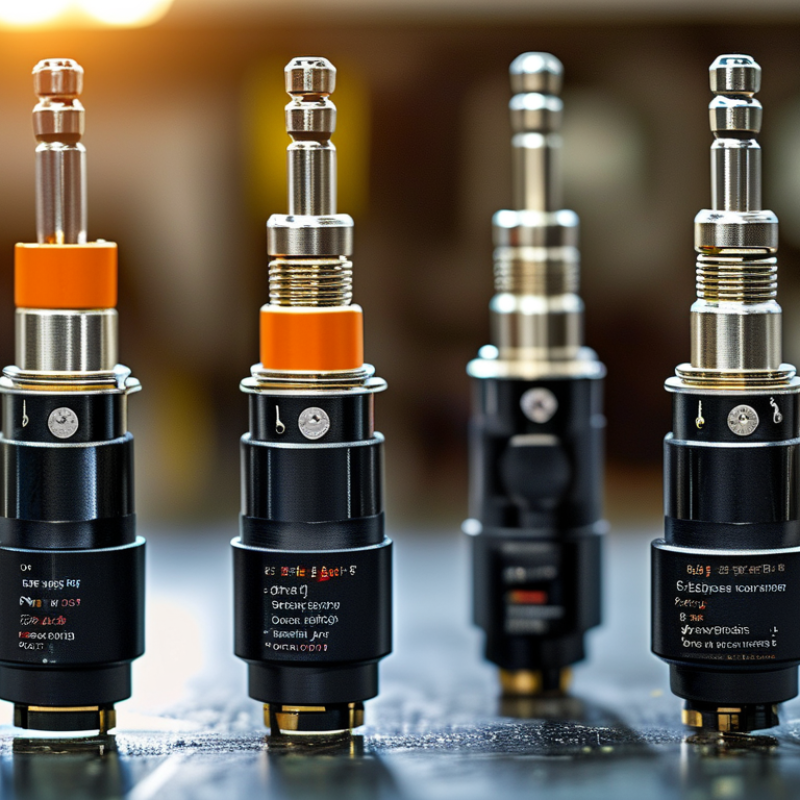
Understanding Different Types of Cable Connectors
When selecting the right cable connector, understanding the various types is crucial. There are mainly three categories: coaxial, fiber optic, and Ethernet connectors. Each serves a unique purpose and operates under different specifications. Coaxial connectors, often used for television and radio signals, provide a reliable connection with minimal interference. Reports indicate that over 60% of household connections still use coaxial technology.
In contrast, fiber optic connectors are designed for high-speed data transmission. They are less susceptible to environmental factors compared to their copper counterparts. A recent industry study highlighted that the demand for fiber optic connectors is projected to grow by 15% annually. This growth reflects a shift towards more efficient networking solutions in various sectors.
Ethernet connectors, commonly found in local area networks, offer a blend of versatility and speed. However, ensuring the right category for specific needs can be challenging. Many users often confuse standards, leading to mismatched applications and suboptimal performance.
Ultimately, the choice of connector impacts not just performance but also overall system reliability. An informed decision derived from a thorough understanding of these types is essential. Users should reflect on their specific requirements to avoid costly mistakes. Connecting the right cables can significantly enhance data integrity and system functionality.
Identifying Your Specific Connection Requirements
When selecting a cable connector, identifying your specific connection requirements is crucial. Think about the devices you plan to connect and their compatibility. For example, does your equipment require a standard, high-speed, or specialty connector? Understanding the environment in which you'll be using these connectors is also important. Are they for indoor use, or will they be exposed to harsh conditions? This can influence your choice significantly.
Another factor to consider is the number of connections needed. Do you require multiple connectors or just one? Examine whether you need the ability to easily disconnect and reconnect cables. This can guide your decision towards connectors with locking mechanisms. Moreover, reflect on the data transfer speed the application demands. You might find that some connectors offer limited data throughput, which can impede performance. Often, a seemingly perfect connection will fall short in real-world usage, requiring you to reassess your choice. By understanding these specific needs clearly, you can make a more informed selection.
Assessing Compatibility with Devices and Systems
When choosing a cable connector, compatibility with your devices is crucial. Check the specifications of your devices first. Different systems have unique requirements. For instance, the size and shape of connectors vary. Mismatches can lead to performance issues or even damage. Use official manuals to ensure you’re selecting the right type.
Consider the connector types available. Some are designed for high-speed connections, while others may limit data transfer rates. Think about your needs. Are you connecting audio equipment, video devices, or data infrastructure? Each scenario demands specific connectors. You might find an option that seems easy to use but doesn't support your system's functionality well.
Lastly, remember that connectors can wear out over time. Regularly inspect them for damage or degradation. Incompatible or worn connectors can lead to frustrating performance issues. Test connections before relying on them for important tasks. It’s always best to prioritize quality and reliability in your choices.
Evaluating Performance Characteristics and Specifications
Choosing the right cable connector demands an understanding of several performance characteristics and specifications. Begin with assessing the electrical requirements. This includes voltage ratings and current capacity. Mismatched specifications can lead to overheating and potential failure. Carefully review the ampacity ratings of the connectors. If a connector cannot handle the necessary load, it may compromise your entire system.
Next, consider the physical environment. Will the connector be exposed to moisture or extreme temperatures? Look for connectors rated for such conditions. Their seals and materials qualify them for various environments. Additionally, check for compatibility with existing cables. Mismatches can lead to connection issues, which are easily overlooked during selection.
Material composition also plays a crucial role. Connectors made from quality materials ensure better conductivity and durability. Low-quality connectors may seem economical but could lead to frequent replacements. Reflect on the long-term costs versus short-term savings. This is a critical aspect that’s often disregarded. Regularly assessing your choices will enhance your project outcomes and reliability.
How to Choose the Right Cable Connector for Your Needs? - Evaluating Performance Characteristics and Specifications
| Connector Type | Max Current (A) | Voltage Rating (V) | Max Frequency (MHz) | Material | Special Features |
| USB Type-C | 5 | 20 | 10 | Plastic/Metal | Reversible Plug |
| HDMI | 2.5 | 19 | 18 | Plastic/Metal | Audio/Video Transmission |
| RJ45 | 1.5 | 48 | 100 | Plastic | Ethernet Networking |
| DVI | 5 | 20 | 165 | Metal | Digital/Analog Transmission |
| DisplayPort | 15 | 20 | 32.4 | Plastic/Metal | Multi-Stream Transport |
Making Informed Choices Based on Cost and Quality Factors
When selecting a cable connector, balancing cost and quality is crucial. Many users focus solely on price, missing the danger of poor-quality materials. This can result in reduced performance or even device damage. Quality connectors provide better longevity and reliability, which makes them a worthy investment over cheaper options.
Tips: Always check the specifications. Ensure compatibility with your devices. Look for connectors made from sturdy materials like gold-plated contacts. These tend to resist corrosion better, offering reliable connectivity over time.
Additionally, think about your usage scenario. If you frequently connect and disconnect, choose a connector designed for durability. Some connectors look appealing but fall short in performance. User reviews can offer valuable insights. Read through the experiences of others to make informed choices. It’s easy to overlook finer details, so take your time evaluating options before purchasing.