How to Choose the Best Commercial Laser Engraver for Your Needs?
Choosing the right commercial laser engraver can significantly impact your business operations. The right choice hinges on various factors, including material compatibility, engraving speed, and precision. Many users struggle with selecting from the myriad of options available in the market today.
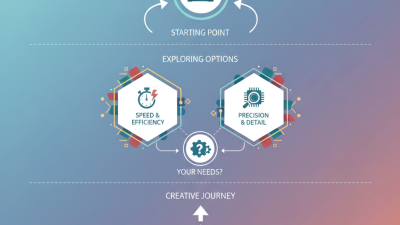
It's essential to consider your specific needs. Different projects require different capabilities. For example, some projects might demand intricate details, while others focus on speed. Before making a decision, do thorough research. Understanding the strengths and weaknesses of each model is crucial.
Moreover, engaging with expert reviews can offer valuable insights. User feedback may highlight issues that manufacturers may overlook. Being informed can help prevent costly mistakes. A commercial laser engraver is a significant investment, so take the necessary time to evaluate your options thoroughly.
Understanding Different Types of Commercial Laser Engravers
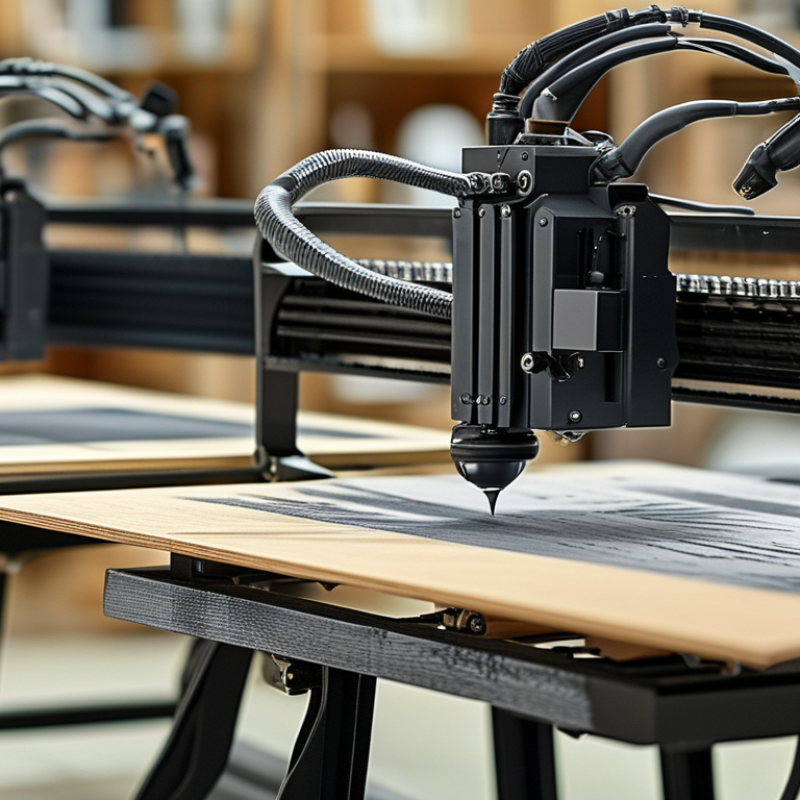
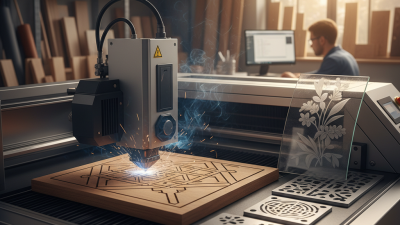
When selecting a commercial laser engraver, understanding the different types is crucial. CO2 laser engravers are widely used for non-metal materials. They excel in engraving wood, acrylic, and glass. These machines are known for their versatility and ease of use. However, they may have limitations on metal engraving quality.
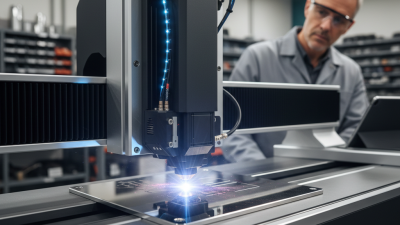
Fiber laser engravers are another popular choice. They are specifically designed for marking metals and offer high precision. These machines can engrave on a variety of metals like stainless steel and aluminum. While they tend to be more expensive, the investment can pay off when targeting a metal-focused market.
There are also hybrid engravers available. These machines combine both CO2 and fiber technology. This option can cater to a wider range of materials, making them appealing for diverse projects. Yet, users should be aware of their complexity in operation and maintenance. Assessing one’s specific needs helps in making the right choice, balancing features and costs effectively.
Identifying Your Specific Engraving Needs and Applications
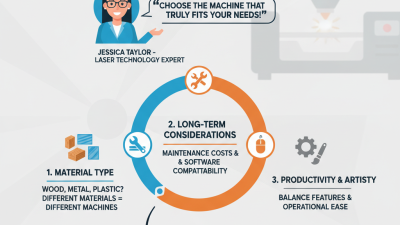
When choosing a commercial laser engraver, identifying your specific engraving needs is crucial. Start by considering the materials you'll work with. Common options include wood, metal, glass, and acrylic. Each material requires different laser settings and capabilities. Be realistic about what you envision creating. Can your selected engraver handle intricate designs or large projects?
Think about the size and speed requirements too. Larger engravings will need more powerful machines. In contrast, if your focus is on precision, a smaller, high-detail engraver may be ideal. Reflect on your production volume. Are you creating one-off projects or high quantities? This can drastically influence your choice.
A reliable engraver should also have a user-friendly interface. Many machines come with software that can simplify design processing. However, not all are intuitive. Take time to explore and understand your options. It's important to match your experience level with the machine's complexity. You'll want a tool that inspires creativity, not frustration. Always review user feedback on performance and support. Authentic experiences can highlight potential issues.
How to Choose the Best Commercial Laser Engraver for Your Needs?
Evaluating Key Features and Specifications
When selecting a commercial laser engraver, key features must be closely examined.
Power is critical. Machines with higher wattage provide faster engraving and cutting.
Data shows that 50-100 watts is optimal for most materials, such as wood and acrylic.
A 40-watt laser may suffice for basic projects, but it lacks the efficiency needed for commercial use.
Laser type is another essential aspect. CO2 lasers are popular for non-metal materials.
Fiber lasers excel at engraving metals like stainless steel and aluminum. According to industry reports,
75% of businesses prefer CO2 lasers for their versatility. However, choosing the wrong type can lead to inefficient operations.
Precision is also vital. Look for systems with high-resolution capabilities, ideally 300 DPI or higher.
This ensures detailed engravings, suitable for intricate designs.
Additionally, consider the machine's software compatibility. Effective software enhances design flexibility.
User-friendly interfaces make the engraving process seamless. Research indicates that users often overlook
software capabilities, which can hinder productivity. While evaluating specifications, staying updated on
technology trends can provide insights that drive better purchasing decisions. Engraving is an investment;
improper choices can lead to costly mistakes and unmet project goals.
Comparing Budget Options and Long-Term Investment Value
Choosing the right commercial laser engraver involves a careful evaluation of budget options versus long-term investment value. Many businesses find themselves tempted by lower-priced models. However, reports indicate that budget engravers often fall short in quality. These machines usually have shorter lifespans and limited capabilities. One study shows that investing in a mid-range laser engraver increases productivity by up to 40%.
When considering long-term viability, think about maintenance costs and replacement parts. Lower-priced models may save money upfront but can become costly over time. A top-tier machine, while a larger initial expense, often requires less frequent repairs. According to market analysis, a reliable engraver can last over ten years with proper care. Therefore, spending more initially may lead to savings in the long run.
It's crucial to assess your specific needs. For small businesses or hobbyists, a budget options may suffice. Larger operations, however, will likely benefit from robust models that deliver consistent results. Reflecting on these factors informs better decision-making for sustained success.
Reviewing Customer Feedback and Brand Reliability
When it comes to choosing a commercial laser engraver, customer feedback plays a crucial role. Many users express that their experiences vary significantly. Some report stunning engravings on diverse materials. Others, however, face issues with software compatibility. It's essential to analyze these reviews carefully. A recent industry report found that 32% of laser engraver users experienced software-related challenges. This statistic highlights the importance of considering user experiences.
Brand reliability is also key. Consumers often gravitate toward brands with a long-standing reputation. A study indicated that brands with over ten years in the market have a 75% higher trust rating among customers. Users know they invest in established technologies. Yet, not every newcomer in the industry is a gamble. Some new brands offer innovative features. However, they may not have proven reliability. This dynamic presents a challenge. Evaluating a new brand's technology while being cautious is essential.
The choice of an engraver should involve both user feedback and brand history. Look for brands with high customer satisfaction and low defect rates. Yet, remember that not all experiences will be flawless. The landscape of laser engraving is ever-evolving. Therefore, gathering diverse opinions is essential for making your best choice.