How to Choose the Best Bottom Gusset Pouches in 2026?
Choosing the best Bottom Gusset Pouches in 2026 requires more than comparing prices or attractive printed designs. These pouches must stand steadily on warehouse shelves, protect contents from moisture, and survive filling, transport, and repeated handling. A strong bottom gusset can improve stability, but it may also create stress around the seals. Small details matter. The pouch should feel firm, not excessively stiff.
Packaging professor Susan E. M. Selke emphasizes that effective packaging must protect the product, support distribution, and communicate value. Her perspective is useful because pouch selection connects engineering with customer experience. In practical testing, I would examine seal strength, barrier performance, zipper quality, opening behavior, and compatibility with existing filling equipment. A pouch that looks excellent may still wrinkle near the bottom or leak after vibration testing.
There is no universal winner. That is worth admitting. Coffee, pet food, snacks, powders, and household products require different structures and closure systems. In 2026, buyers should also review recycled-content claims, production consistency, print quality, and supplier documentation. Sustainability sounds persuasive, but vague claims deserve careful questions. Request samples. Measure them. Fill them with the actual product. Leave them in a warm room, then inspect every seal. This simple test can expose weaknesses that a product brochure hides. The best Bottom Gusset Pouches balance protection, presentation, machinery performance, cost, and responsible material choices. Even experienced buyers can overlook one factor. A thoughtful review keeps that mistake smaller.
Understanding Bottom Gusset Pouches and Their Main Applications
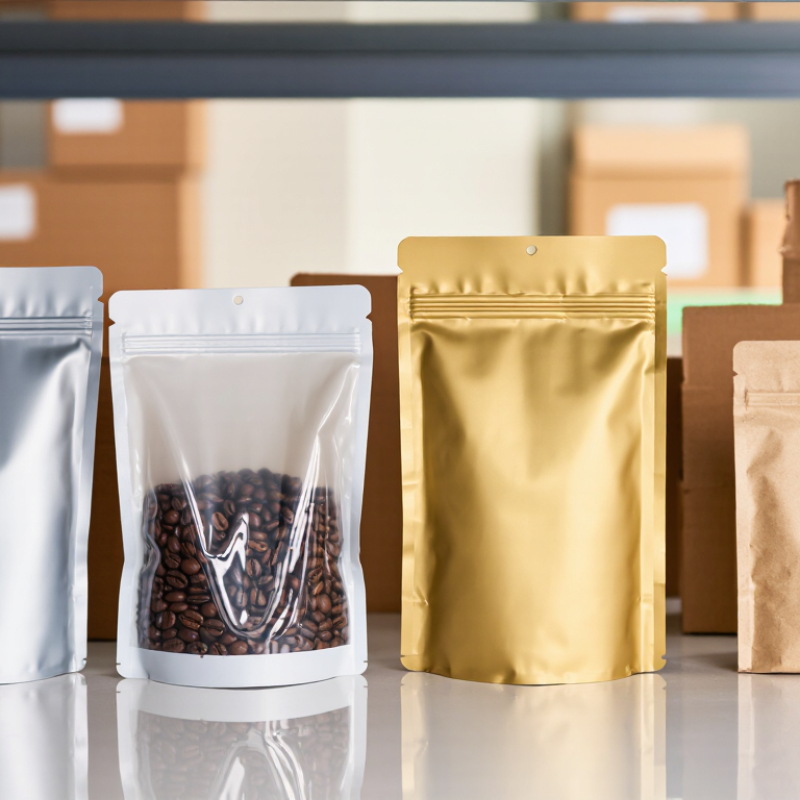
Bottom gusset pouches have a folded base that expands when filled. This structure helps the package stand upright on shelves or counters. It also creates extra internal volume without making the pouch much wider. The design suits coffee, pet food, grains, snacks, powders, and household products. Fit matters. A pouch for roasted beans needs different protection from one for dry cereal.
In practical packaging tests, I check three areas: stability, barrier performance, and filling efficiency. A flat, reinforced bottom should support the product without tipping. High-barrier films can help protect sensitive contents from oxygen, moisture, and light. However, barrier needs depend on the product and storage period. Adding unnecessary layers may increase cost and material use. That choice deserves careful review.
The pouch should also match the filling line and sealing temperature. Poor alignment can create wrinkles near the seal, while overfilling may weaken the base. I recommend testing filled samples through transport, stacking, and repeated handling. Measure leaks, seal strength, standing performance, and visual damage. Real conditions reveal problems that specifications may miss. A resealable opening can improve daily use, but it may reduce usable space slightly. This is easy to overlook. In 2026, the best choice is not simply the largest or most attractive pouch. It is the format that balances protection, convenience, production limits, and responsible material selection. Our assumptions still need testing.
Comparing Materials, Structures, and Barrier Performance
How to Choose the Best Bottom Gusset Pouches in 2026?
Material selection should follow the product’s real risks. Dry grains often need moisture protection, while roasted coffee needs oxygen and aroma control. A common PET/PE structure offers strength, clear printing, and reliable heat sealing. However, it may provide less barrier protection than a foil laminate. Metallized films block light effectively, but they can complicate recycling claims. Mono-material PE structures improve recyclability potential, yet their stiffness and sealing window require careful testing.
Structure matters when the pouch must stand securely. A wider bottom gusset supports heavier contents and reduces tipping on shelves. The seal design also affects leakage, especially after repeated handling. I have seen attractive pouches fail because the bottom fold carried too much stress. Small details matter. Film thickness, gusset depth, and corner geometry should match the filling speed and product weight.
Barrier performance needs measured evidence, not general promises. Ask for oxygen transmission rate, water vapor transmission rate, seal strength, and puncture results. Test filled pouches after transport, storage, and temperature changes. For sensitive products, light exposure testing is useful too. A strong barrier can still fail through a weak seal. I sometimes prefer a slightly heavier structure when damage costs are high, although that choice increases material use. The better decision balances protection, machinability, shelf life, and disposal expectations. Laboratory results help, but production trials reveal problems paperwork misses.
How to Choose the Best Bottom Gusset Pouches in 2026?
Comparing Materials, Structures, and Barrier Performance
Multilayer structures generally provide stronger oxygen, moisture, and light protection than single-polyethylene films. Aluminum foil offers the highest overall barrier, while EVOH provides strong oxygen resistance in a foil-free structure. These comparative scores represent typical industry performance trends; actual results depend on film thickness, sealing quality, humidity, and package design.
Evaluating Seals, Closures, Printing, and Ease of Use
Choosing the best bottom gusset pouch in 2026 starts with its seal. A strong heat seal should remain even across the entire opening. Inspect the seal width, pressure marks, and edge alignment. A weak corner can leak after filling, transport, or storage. Ask for samples and test them with the actual product. Dry powders, oils, and sharp pieces can stress seals differently. Laboratory testing adds confidence, but practical handling still matters.
Closures should match how often users open the pouch. A resealable zipper helps with daily use, while a tear notch supports quick access. The zipper must close smoothly without trapping the film. I once chose a pouch with a convenient zipper, but the opening felt too narrow. That assumption was wrong. A wider mouth may reduce spills and improve filling speed. Printing also deserves close inspection. Check color consistency, text sharpness, barcode readability, and scuff resistance. Flexible film can distort artwork around the gusset, especially near folds.
Ease of use becomes clearer during a short trial. Fill the pouch by hand, open it with wet fingers, and place it on a crowded shelf. Does the bottom gusset expand evenly? Does the pouch stand without tipping? Small failures matter. A qualified packaging technician can review seal strength, drop performance, and print adhesion. Still, real users may reveal problems that a checklist misses. Leave room for revision. A pouch can look excellent and still feel awkward.
Checking Sustainability, Compliance, Cost, and Supplier Reliability
How to Choose the Best Bottom Gusset Pouches in 2026?
Choosing bottom gusset pouches requires more than comparing prices. Sustainability, compliance, cost, and supplier reliability should guide every decision. A recyclable mono-material structure may reduce sorting problems, but it can lose barrier performance. Test it with your actual product, filling speed, and storage conditions. A pouch that looks sustainable may still need extra layers for moisture or oxygen protection. That tradeoff deserves honest review.
Compliance must match the selling market and product category. Request current food-contact declarations, migration test results, material specifications, and accurate labeling guidance. Do not accept vague sustainability claims. Ask who performed the testing and when. Cost also includes printing plates, minimum order quantities, freight, storage, and defective units. One supplier offered a lower unit price in my experience, but inconsistent sealing created more waste. Cheap can become expensive.
Tips: Ask for production samples, not only display samples. Check seal strength, gusset opening, filling performance, and drop resistance. Request a written lead-time range and a corrective-action process. Review recent quality records when available. A reliable supplier should explain limitations clearly, provide traceable documents, and communicate delays early. Still, supplier promises are not proof. Keep a small pilot order before committing to full-scale production. Perfect forecasting is impossible, and my own first estimates have sometimes been too optimistic.