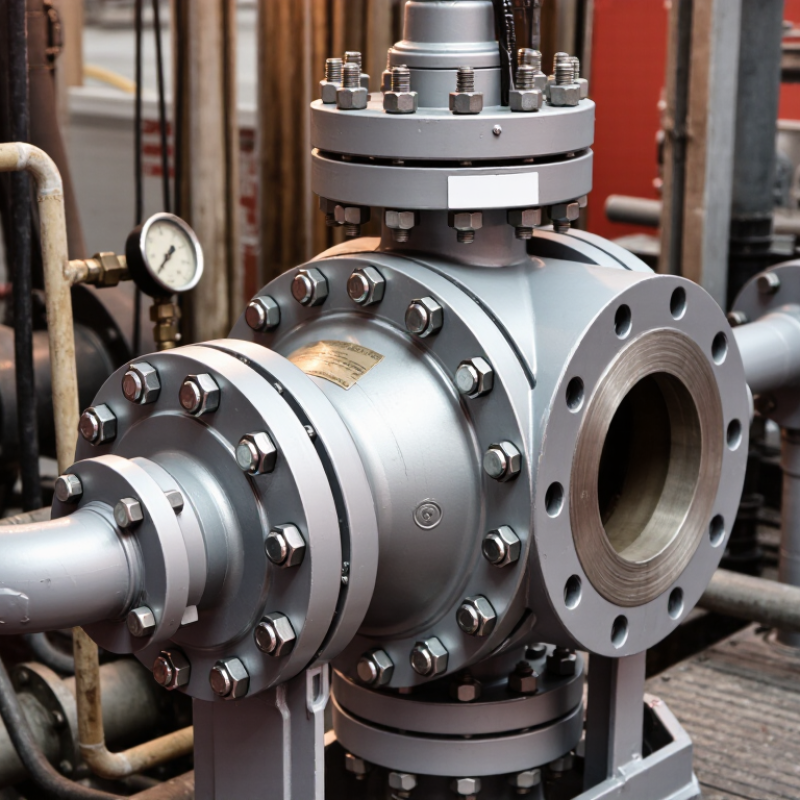
hero image

Why Choose a Drilling Rig API 6A Check Valve?

Selecting a Drilling Rig API 6A Check Valve is a decision about pressure control, not just equipment purchasing. On a drilling site, mud, gas, and hydraulic fluids move through systems where one failed valve can create serious operational risks. A properly specified check valve helps prevent reverse flow and protects pumps, manifolds, and connected well-control equipment.

API 6A check valves are designed for demanding wellhead and drilling applications. Their value depends on more than the API 6A marking. Engineers should verify pressure ratings, bore size, temperature range, body material, sealing design, and connection type. Sour-service requirements may also affect material selection and testing. Traceable documentation matters.

Details matter here.

A reliable manufacturer should provide inspection records, pressure-test results, material certificates, and clear product identification. Field experience also shows that installation quality strongly influences valve performance. Incorrect flow direction, damaged seals, or poor flange alignment can reduce reliability, even when the valve itself is well manufactured. Regular inspection can reveal leakage, corrosion, or delayed closure before these problems interrupt drilling operations.

The choice is not always simple. A lower purchase price may hide higher maintenance costs or uncertain documentation. However, specifications must match the actual application, rather than relying on assumptions. Reviewing operating conditions with qualified engineers creates a stronger basis for selection. This approach supports safer drilling, more predictable maintenance, and dependable pressure isolation when equipment performance matters most.

Why Choose a Drilling Rig API 6A Check Valve?

What Is a Drilling Rig API 6A Check Valve?

Why Choose a Drilling Rig API 6A Check Valve?

What Is a Drilling Rig API 6A Check Valve?

A drilling rig API 6A check valve is a pressure-containing device that permits flow in one direction. It helps prevent fluid from returning through wellhead or flowline equipment. Inside, a flapper or piston moves with pressure changes. When reverse flow begins, it closes against a sealing surface. The action is simple, but the operating conditions are not.

API Spec 6A, 21st Edition, recognizes six nominal working-pressure levels:

2,000 psi 3,000 psi 5,000 psi 10,000 psi 15,000 psi 20,000 psi

These ratings help engineers match valve capacity with the planned pressure envelope. The standard also addresses pressure-testing, materials, temperature classes, and performance levels. That makes an API 6A check valve more than a basic non-return valve.

Field inspections often reveal a practical weakness. Sand, scale, and drilling fluid can delay closure or damage the seat. A high pressure rating cannot fix poor maintenance. ISO 14224:2016 emphasizes consistent equipment failure and maintenance data, which supports better reliability decisions. Operators should record leakage, closing time, erosion, and test results. Small details matter.

During a pressure test, technicians may hear a sharp pressure drop before seeing visible leakage. That signal deserves investigation. Valve selection should consider fluid composition, connection type, pressure rating, temperature, and access for inspection. The correct valve is not always the largest one.

How API 6A Standards Define Valve Performance

Why Choose a Drilling Rig API 6A Check Valve?

API 6A standards define how a check valve should perform in demanding wellhead service. The standard addresses pressure ratings, temperature classes, material requirements, and connection dimensions. It also establishes testing and quality controls for critical equipment. These details help engineers select a valve that matches the expected well pressure, fluid conditions, and operating temperature.

A reliable API 6A check valve should prevent reverse flow without creating excessive pressure loss. During inspection, technicians may examine body integrity, sealing surfaces, bore condition, and pressure-test records. Traceability is equally important. Material certificates and documented test results connect the finished valve to its manufacturing process. Small defects matter. A damaged hinge, weak spring, or contaminated seat can affect closure when pressure changes suddenly.

API 6A compliance supports safer and more consistent valve selection, but it is not the entire answer. Installation quality, correct orientation, fluid composition, and maintenance still influence performance. A valve may pass a factory test and later struggle with abrasive drilling fluids. That possibility deserves attention. Field teams should compare actual service conditions with the selected pressure and temperature classes. They should also review inspection intervals instead of assuming the valve will remain reliable indefinitely.

How Check Valves Support Drilling Safety and Well Control

Why Choose a Drilling Rig API 6A Check Valve?

An API 6A check valve helps control unwanted reverse flow during drilling operations. Its one-way design allows fluid movement in the planned direction. It closes when pressure reverses, supporting the well barrier system. This action can limit sudden backflow from a pressurized wellbore. That matters when pumps stop or flow conditions change unexpectedly. Mud, gas, and formation fluids can behave differently under pressure. Valve selection must match the required pressure rating, temperature range, bore size, and material class.

Safety depends on more than the valve body. Correct flow-direction installation is essential. A reversed valve may look normal but fail during a critical event. Technicians should inspect sealing surfaces, bolts, and connection areas before installation. Pressure testing should follow the approved procedure and equipment specification. Watch the gauge closely. A slow pressure decline may indicate leakage, trapped pressure, or a testing error. These details deserve attention.

Check valves support well control, but they are not a substitute for a complete barrier plan. Blowout preventers, shut-in procedures, pressure monitoring, and trained crews remain necessary. Field experience also shows a common weakness: teams may trust a recently serviced valve without verifying its condition. That assumption needs questioning. Maintenance records should identify inspection dates, test results, service conditions, and any replaced parts. For sour or highly corrosive environments, material compatibility requires additional technical review. Availability is useful, but dependable performance matters more.

Which Design Features Matter in Rig Applications?

Why Choose a Drilling Rig API 6A Check Valve?

Which Design Features Matter in Rig Applications?

A drilling rig check valve must control reverse flow under severe pressure changes. API 6A compliance provides a recognized framework for pressure integrity, materials, testing, and documentation. The pressure rating should match the working envelope, not just the headline specification. A suitable valve also needs a full, practical bore. This helps reduce turbulence, pressure loss, and unwanted solids buildup.

Body construction matters in real rig conditions. Forged bodies can provide strong resistance to impact and pressure fatigue. Internal surfaces should tolerate abrasive mud, cuttings, and repeated cycling. The closure element needs stable guidance and reliable sealing, even when flow becomes unstable. Metal-to-metal sealing may support demanding service, while elastomer selection must match temperature and fluid exposure. Small details matter here.

No design is perfect.

During maintenance reviews, technicians often find that access and inspection were underestimated. A valve that performs well but takes too long to service can increase downtime. Clear flow-direction markings, replaceable wear parts, and accessible test points improve field reliability. Traceable material records and documented pressure tests also support responsible equipment decisions. However, test results do not replace proper installation. Alignment, torque, cleanliness, and operating procedures still influence performance. The best choice balances certified design, field experience, and honest review of changing rig conditions.

Why Choose a Drilling Rig API 6A Check Valve? — Which Design Features Matter in Rig Applications?

Selection guide for high-pressure wellhead and drilling-system check valves, based on commonly specified API 6A design, pressure, temperature, material, and testing requirements.

Design Dimension What Matters on a Drilling Rig Representative Data or Requirement Why It Influences Selection Verification Point
Applicable product standard Pressure-containing and pressure-controlling equipment must be designed for severe well-service conditions. API Specification 6A is the principal product standard for wellhead and Christmas-tree equipment, including pressure-containing valve equipment. Provides a recognized framework for pressure ratings, materials, design validation, manufacturing, marking, and testing. Confirm current edition
Nominal size and bore The valve must match the flow path, adjacent equipment, and available rig space. Common API 6A nominal sizes include 1 13/16, 2 1/16, 2 9/16, 3 1/8, 4 1/16, 4 1/2, 5 1/8, 7 1/16, and 9 in. A compatible bore reduces installation problems, unnecessary turbulence, and restrictions during circulation or well-control operations. Check nominal size, bore, face-to-face dimension, end connection, and drift requirements.
Working pressure rating The valve must withstand the maximum anticipated well pressure, pressure surges, and shut-in conditions. API 6A pressure ratings commonly include 2,000; 3,000; 5,000; 10,000; 15,000; and 20,000 psi working pressure, subject to size and design availability. Selecting only by normal operating pressure can leave inadequate margin for transient or trapped-pressure events. Verify working pressure, test pressure, temperature derating, and the complete pressure-containing envelope.
Valve configuration The internal mechanism must close reliably in the intended flow direction and tolerate solids, vibration, and pressure cycling. Swing, piston, dart, and axial-flow check-valve arrangements are used in high-pressure applications; the correct choice depends on flow direction, solids loading, and pressure drop. Different mechanisms have different resistance to impact, reverse flow, erosion, fouling, and maintenance requirements. Review flow-direction marking, closure behavior, allowable installation orientation, and internal clearances.
Minimum cracking pressure The valve should open without creating excessive restriction while still preventing reverse flow. Typical spring-loaded designs may use a low cracking pressure, often specified by the manufacturer for the selected size and trim; the value is not universal across API 6A valves. Excessive cracking pressure can reduce pump efficiency, while insufficient closing force can increase reverse-flow risk. Require a documented cracking-pressure range at the operating temperature and fluid condition.
Backflow shutoff Rapid and dependable reverse-flow prevention is essential for well-control barriers and pressure isolation. The closure element should seat under reverse differential pressure and pass the specified shell and seat tests without leakage beyond the applicable acceptance criteria. Reliable shutoff helps protect pumps, manifolds, choke equipment, and personnel from unexpected pressure migration. Check seat-test direction, test medium, duration, allowable leakage, and acceptance standard.
Pressure-containing materials Materials must tolerate pressure, temperature, drilling fluids, produced fluids, hydrogen sulfide, and carbon dioxide where applicable. API 6A material classes include AA, BB, CC, DD, EE, FF, and HH; the selected class must correspond to the well-fluid environment and sour-service requirements. Correct material selection reduces sulfide-stress cracking, corrosion, loss of toughness, and premature pressure-boundary failure. Confirm material class, body and bonnet material, heat treatment, hardness, and sour-service compliance when required.
Trim and wetted components Internal parts are exposed directly to erosive and corrosive fluids and may experience repeated impact. Trim selection should address erosion, corrosion, galling, and solids. Common engineering controls include corrosion-resistant alloys, hardfacing, replaceable seats, and protected sealing surfaces. Appropriate trim extends service life and helps maintain shutoff performance after repeated cycling. Request a material list for the closure element, seat, spring, retainer, and all wetted components.
Temperature class Seals, elastomers, lubricants, and metallic components must remain functional at the lowest and highest operating temperatures. API 6A temperature classes cover service from sub-zero conditions through elevated well-service temperatures; the exact class must be selected from the project temperature envelope. Temperature extremes can cause seal hardening, extrusion, loss of spring force, or reduced material toughness. Compare the valve temperature class with minimum ambient, fluid, startup, shutdown, and well-temperature conditions.
Sealing arrangement Seals must withstand high differential pressure, pressure cycling, decompression, and chemical exposure. Metal-to-metal seating is often preferred for severe service; elastomeric seals may be used where compatible with pressure, temperature, and fluid chemistry. Seat and stem-seal design directly affects leakage control, maintenance intervals, and resistance to extrusion or rapid gas decompression. Review seal material, anti-extrusion features, gas-decompression qualification, and replacement procedure.
Product specification level The required manufacturing and quality-control level depends on risk, service severity, and operator specifications. API 6A PSL requirements range from PSL 1 through PSL 4, with higher levels generally requiring more extensive material control, inspection, testing, and documentation. A suitable PSL provides traceability and verification proportional to the consequences of equipment failure. Specify the required PSL in the purchase document and confirm all associated inspection records.
Performance requirement level Critical well-control applications may require validated performance under pressure and environmental conditions. API 6A PR levels define performance requirements; the applicable level should be selected according to the required validation and service conditions. PR selection helps distinguish basic product conformity from more demanding performance qualification. Confirm the required PR level, test sequence, acceptance criteria, and qualification evidence.
Pressure testing Testing must demonstrate pressure-boundary integrity and seat performance before field deployment. API 6A testing typically includes shell and seat tests using a suitable liquid test medium, with test pressure and duration determined by the applicable specification and rating. Documented testing reduces the risk of hidden casting, machining, sealing, or assembly defects. Require certified test charts or reports, calibrated gauges, test medium, duration, pressure, and leakage results.
Erosion and solids tolerance Sand, cuttings, lost-circulation material, and high-velocity flow can damage seats and closure elements. For abrasive service, favor streamlined flow passages, erosion-resistant trim, protected seating surfaces, and a design that minimizes particle entrapment. Improved solids tolerance helps preserve closing reliability and reduces unplanned valve replacement. Evaluate particle size, concentration, flow velocity, pressure drop, and expected erosion rate.
Maintenance and inspection Rig equipment must be serviced quickly with minimal downtime and safe access. Preferred features include replaceable seats and seals, accessible inspection points, clear flow-direction marking, and documented torque and assembly procedures. Maintainable construction lowers turnaround time and reduces the chance of incorrect reassembly. Verify spare-part availability, maintenance tooling, inspection intervals, and technician training requirements.
Connection and installation Connections must match the pressure class and geometry of the surrounding manifold, riser, or wellhead equipment. Common high-pressure end connections include flanged and studded configurations defined by applicable API 6A dimensional requirements. Correct connection selection supports pressure integrity, interchangeability, alignment, and safe installation. Confirm flange type, nominal size, pressure rating, ring-groove specification, bolting, orientation, and make-up procedure.
Documentation and traceability Pressure equipment requires evidence that materials, manufacturing, inspection, and testing meet the purchase specification. A complete data package commonly includes material certificates, heat-treatment records, inspection reports, pressure-test records, drawings, manuals, and final marking details. Traceability supports acceptance, future maintenance, failure investigation, and regulatory or operator audits. Define documentation requirements before purchase and match certificates to component heat numbers and serial records.
Selection note: The pressure rating, temperature class, material class, PSL, PR level, bore, connection, and test requirements must be confirmed against the current applicable API 6A edition, the well-fluid composition, the drilling program, and the operator's engineering specification.

Why Choose an API 6A Check Valve for Drilling Operations?

Why Choose a Drilling Rig API 6A Check Valve?

Why Choose an API 6A Check Valve for Drilling Operations?

An API 6A check valve helps control reverse flow during drilling and well-control operations. It closes when pressure changes direction, protecting pumps, manifolds, and surface equipment from sudden backflow. API Specification 6A defines working-pressure classes from 2,000 to 20,000 psi. This range supports demanding wellhead and pressure-control applications. In the field, technicians still verify the actual pressure rating, bore size, temperature range, and fluid compatibility. A high rating alone does not guarantee safe performance.

The valve also supports barrier management when installed in the correct flow path. IOGP well-control guidance emphasizes verified barriers, documented testing, and clear responsibility between crews. Operators should inspect sealing surfaces, confirm valve orientation, and record pressure-test results before drilling resumes. Small details matter. Mud residue around the hinge can delay closure. Elastomer swelling may appear only after repeated exposure to chemicals and heat. API 6A qualification helps, but maintenance discipline remains essential. This is where many operating plans become less tidy.

Tips: Select the valve using the full operating envelope, not only maximum pressure. Check sour-service requirements, material certificates, test records, and spare-part availability. Conduct functional checks after transport and installation. A check valve is not a substitute for a complete blowout-prevention system. That distinction deserves repeated attention.

Why Choose an API 6A Check Valve for Drilling Operations?

API 6A defines standard wellhead and Christmas-tree equipment pressure classes. The chart shows commonly specified nominal working-pressure classes used when selecting equipment for drilling and well-control applications.

A check valve helps prevent reverse flow and supports pressure-control integrity in drilling systems. The selected valve should match the required API 6A pressure class, temperature range, bore size, material class, and service conditions. Actual selection must be verified against the well design and applicable engineering requirements.