How to Choose the Best Small Hose Clamps for Your Needs?
Choosing the right Small Hose Clamps is crucial for various projects, from automotive repairs to plumbing tasks. These small yet essential components hold hoses securely in place, preventing leaks and ensuring optimal functionality. With a variety of sizes and materials available, selecting the best small hose clamps for your specific needs can be challenging.
When considering small hose clamps, think about the material. Stainless steel options offer durability against corrosion. Plastic clamps might work well for lightweight applications. The size is also important; a clamp too small won't secure the hose, while one that's too large may not grip at all. Both scenarios can lead to failure.
Understanding your requirements will guide your decision. A poor choice can result in leaks and damage. Take time to reflect on the job at hand. Are you prioritizing affordability or quality? Often, a balance must be struck between cost and reliability. Your experience and knowledge will play a significant role in this selection process.
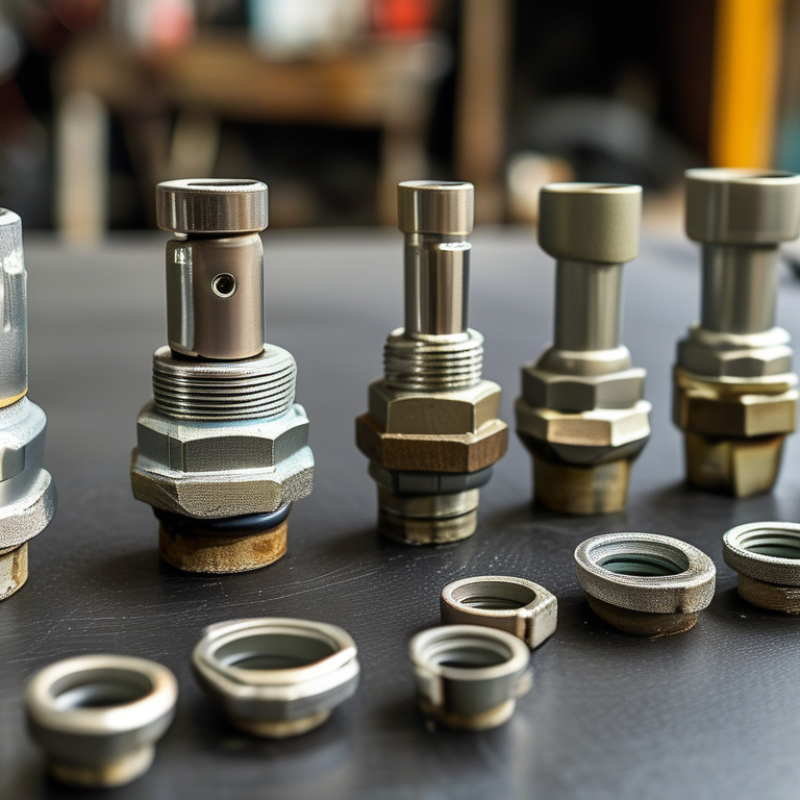
Understanding Small Hose Clamps: Definition and Types Available
Small hose clamps are essential tools for various applications. They secure hoses, cables, and pipes in place. These clamps vary in type and material, which affects their performance. Understanding the different types is key to making the right choice for your needs.
The most common types of small hose clamps are worm gear, spring-loaded, and squeeze clamps. Worm gear clamps are adjustable, making them versatile. Spring-loaded clamps provide a secure grip but require careful selection for the correct size. Squeeze clamps are easy to use but may not be suitable for high-pressure applications. Each type has its advantages, so consider your specific requirements before selecting one.
Tip: Always check the material of the clamp. Stainless steel offers durability, while plastic may be suitable for lighter tasks. Additionally, ensure the clamp size is appropriate for the hoses you are working with. An ill-fitting clamp can lead to leaks or failures over time. Proper installation is also crucial. A misaligned or loose clamp can create risks in your project. Reflect on past experiences to avoid these pitfalls and ensure a reliable setup for your hose connections.
Key Factors in Selecting Hose Clamps: Material, Size, and Design
Choosing the right hose clamp involves understanding its key features. The most important factors include material, size, and design. These elements greatly affect the performance and durability of the clamp.
Material is crucial for usability. Stainless steel clamps offer corrosion resistance, making them ideal for wet environments. However, in more specialized applications, such as high temperatures, a different material may be needed. According to industry reports, around 30% of hose clamp failures are due to improper material selection. It's essential to match the clamp material to the operating environment.
Size plays a significant role too. A clamp that is too small can lead to leaks, while one that’s too large may not hold securely. Studies show that proper sizing reduces maintenance costs by about 15-20% over time. Coupled with the right design, which should provide even tension distribution, a well-chosen clamp prevents hose damage and extends system life. Paying attention to these details is critical for efficiency and safety.
How to Choose the Best Small Hose Clamps for Your Needs?
| Factor | Description | Recommended Options |
| Material | Common materials include stainless steel, plastic, and aluminum. | Stainless Steel for durability; Plastic for lightweight applications. |
| Size | Choose the correct size to ensure a tight fit without damaging the hose. | Measure the diameter of the hose before selection. |
| Design | Design types include worm gear, spring clamp, and T-bolt clamps. | Worm gear for adjustable tension; T-bolt for high pressure. |
| Corrosion Resistance | Consider corrosion resistance based on the environment. | Stainless steel for marine environments; coated clamps for mild conditions. |
| Load Capacity | Ensure the hose clamp can withstand the pressure of the application. | Check manufacturer specifications for load capacity ratings. |
| Ease of Installation | Some designs are easier to install and remove than others. | Choose clamps with a simple screw or ratchet mechanism. |
Evaluating Clamping Pressure: Importance and Measurement Techniques
When choosing small hose clamps, evaluating clamping pressure is crucial. The right clamping pressure ensures a secure fit, preventing leaks. According to industry reports, the optimal clamping pressure typically ranges from 5 to 20 psi. This range is essential for most applications, such as automotive and plumbing systems.
Measurement techniques for clamping pressure vary. One method includes the use of a torque wrench. It provides precise pressure readings, ensuring clamp integrity throughout its use. Another approach involves using pressure gauges to assess the strength of the connection. Accurate measurements prevent failure, maintaining system reliability.
Tip: Always check the manufacturer's specifications for pressure values. Ensure you do not exceed the maximum recommended limits.
Maintaining consistent clamping pressure can also be challenging. Over time, materials can wear out or deform, altering performance. Regular inspections can identify potential issues early.
Tip: Consider periodic maintenance checks to monitor clamp performance. A proactive approach can avoid costly repairs.
Industry Standards for Hose Clamps: ASTM, SAE, and ISO Guidelines
When choosing small hose clamps, understanding the relevant industry standards is crucial. Various guidelines exist, including ASTM, SAE, and ISO standards. These provide manufacturers with criteria for designing and testing hose clamps. The ASTM standard emphasizes material quality and performance. It ensures that clamps can endure various environmental conditions. This is essential for applications in automotive and industrial settings.
SAE standards focus on clamps used in automotive applications. They specify dimensions, materials, and tension specifications. Following these standards ensures safety and reliability. The ISO guidelines create an international consensus, facilitating global compatibility. Different regions may have specific requirements, making awareness of these standards vital.
While guidelines exist, not all manufacturers may adhere strictly to these standards. As a user, scrutiny is necessary. Inspecting materials and finishes can reveal potential quality issues. Consideration of your unique application needs is essential. The right clamp will enhance performance, while a subpar choice may lead to leaks or failures. Balancing reliability with cost can often lead to tough decisions.
Applications and Use Cases: When Small Hose Clamps are Most Essential
Small hose clamps are versatile tools used in various applications. They play a critical role in ensuring secure fittings for hoses in automotive, plumbing, and industrial sectors. According to a recent industry report from Research and Markets, the global hose clamp market is expected to reach $4.5 billion by 2026, highlighting rising demand for effective sealing solutions.
In automotive applications, small hose clamps are crucial for preventing leaks in fuel and coolant systems. Their ability to withstand high pressure and temperature makes them indispensable. In plumbing, these clamps are used for securing hoses and pipes in irrigation systems. Therefore, understanding the specific requirements of your application is essential for choosing the right small hose clamp.
When selecting hose clamps, consider factors such as material and size. Stainless steel offers corrosion resistance, which is vital for outdoor use. For high-temperature environments, opt for clamps rated for such conditions. Do not overlook the importance of proper sizing; a loose clamp may lead to leaks.
**Tip:** Always double-check your measurement before purchasing. A small oversight can result in ineffective sealing and costly repairs.
Small hose clamps may seem straightforward, but their performance can vary dramatically based on application. Educating yourself about potential flaws in materials or installation methods ensures better outcomes. Understanding how clamp design can influence your project will save time and resources down the road.