
hero image

How to Choose a Magnetic Vacuum Suction Phone Mount

A phone mount should keep your screen visible without turning every bump into a distraction. A Magnetic Vacuum Suction Phone Mount combines a suction base with a magnetic phone attachment, but those features work best when they suit your vehicle and device. Strong magnets matter. So does a base that grips the surface you actually have, not just a smooth product-photo dashboard.

Small details matter. A clean, flat area can help the suction cup hold, while textured or dusty surfaces may weaken its grip. The mount’s arm, swivel range, and release mechanism also affect everyday use. If the phone sits too low, blocks a vent, or catches sunlight, even a secure mount can feel poorly chosen. That is easy to overlook.

This guide explains what to check before buying, including surface compatibility, magnetic alignment, phone-case thickness, adjustability, and stability during ordinary driving. It also considers how to install and test the mount safely while parked. One quick test is not proof of long-term reliability; temperature changes, repeated repositioning, and road vibration can all affect performance. No mount is perfect. The best choice is one that holds your phone steadily, fits your setup, and lets you remove the device without a struggle. A little skepticism helps: compare the specifications with your actual dashboard and phone, rather than relying on a dramatic claim or a polished photo.
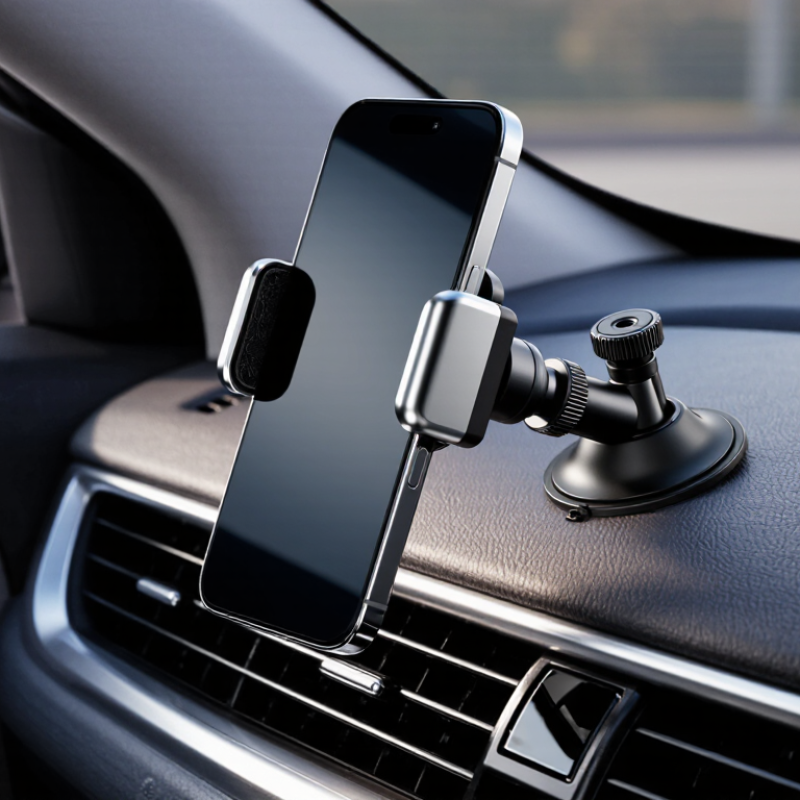
How to Choose a Magnetic Vacuum Suction Phone Mount

What Is a Magnetic Vacuum Suction Phone Mount?

How to Choose a Magnetic Vacuum Suction Phone Mount
What Is a Magnetic Vacuum Suction Phone Mount?

A magnetic vacuum suction phone mount combines two separate holding systems. A suction base grips a smooth surface, while a magnet keeps the phone attached to the mount. A lever or small pump removes air beneath a flexible seal, creating the pressure difference that helps hold the base in place. The magnet does not create the vacuum; it only retains the phone. That distinction matters when comparing designs.

In practical use, the base may attach to a windshield, dashboard pad, or desk, depending on its surface and the mount’s instructions. Dust, texture, moisture, and worn seals can weaken suction. A tiny gap at the edge may be enough. Check that the base is secure, and confirm the magnet works with your phone or case. Some setups need a compatible magnetic case or an included metal ring. Fit can vary, so test the hold gently before relying on it.

For vehicle use, a mount can help position a phone, but it cannot make handling the phone safe. NHTSA reported 3,308 deaths in crashes involving distracted drivers in 2022. That figure gives useful context, not proof that a mount prevents distraction. Keep the screen visible without blocking your view, and set directions before moving. The setup sounds simple. It still deserves a second check.

How to Choose a Magnetic Vacuum Suction Phone Mount

What Is a Magnetic Vacuum Suction Phone Mount?

A magnetic vacuum suction phone mount uses a vacuum cup to attach to a smooth surface and a magnet to hold a compatible phone. The chart shows ideal theoretical holding force at a constant 60 kPa pressure difference, calculated using force = pressure difference × cup area. Actual performance is lower and depends on surface smoothness, seal quality, vibration, and load direction.

Check Phone and Case Compatibility

A magnetic vacuum mount has two separate fit questions: the phone-to-magnet connection and the mount’s grip on a surface. They are not identical. Check your phone’s size and weight against the mount’s stated limits, then see whether its magnetic area lines up with the phone. A phone that attaches off-center may wobble when you tap the screen.

Your case matters just as much. Thick, rugged, or wallet-style cases can weaken magnetic contact, while raised camera edges may stop the phone from sitting flat. Some cases have a magnetic array built in; others need a compatible metal ring. Check the ring’s placement before attaching it, since a poorly positioned ring can interfere with charging or cover part of the camera. Small detail. Big difference.

The vacuum base also needs a suitable surface, such as clean, smooth glass or a smooth dashboard panel. Dust, texture, and oily residue can reduce its hold. A case may feel secure in your hand but still shift on a bumpy road, so test the assembled setup gently before relying on it. If the phone slides or tilts, try a thinner case or a better-aligned magnetic ring. Compatibility can be a little less obvious than the product photos suggest.

Evaluate Suction Cup Design and Mounting Surfaces

A reliable magnetic vacuum mount begins with the seal, not the magnet. Smooth, clean glass usually gives the cup its best chance to hold. Dust, dashboard grain, seams, and deep curves create tiny air paths. NIST lists standard atmospheric pressure as 101.325 kPa. At that pressure, a perfectly sealed 60 mm cup has a theoretical force near 286 N. That is a physics ceiling, not a real-world load rating; vibration and small leaks reduce holding power. Flat glass works best. Textured dashboards are less predictable.

Temperature matters, too. NHTSA hot-car guidance notes that cabin temperatures can rise about 20°F in just 10 minutes. Heat and cold can change the flexibility of a cup’s sealing lip, so a mount that feels secure in a cool garage may loosen in a sunlit car. Avoid placing it on dusty, damp, oily, or soft-touch surfaces. One caveat: cleaning helps, but it cannot make every surface suitable.

Tips: Wipe the surface and cup with a lint-free cloth, press from the center outward, then check the seal after a short drive. Recheck after major temperature changes. I would not treat a strong first hold as proof that the setup will stay secure.

Compare Magnetic Strength and Phone Stability

A strong magnet should hold the phone through bumps, not merely make it snap into place. Compare rated pull force in newtons, but treat the number as a starting point: test conditions and phone-case thickness can change real-world performance. Use your own phone and case, then check for sliding, rotation, or a corner lifting during gentle dashboard movement. Small details matter. A mount that feels secure on a bare phone may wobble with a heavy case.

Stability also affects how often you need to adjust the screen. NHTSA’s Visual-Manual Driver Distraction Guidelines use two seconds for a single off-road glance and 12 seconds total eyes-off-road time as task-evaluation thresholds. A shaky mount can invite repeated glances, so check whether the screen stays readable without touching it. Test on a rough road, with the mount positioned as intended, and inspect the vacuum seal as well as the magnetic connection. A rigid setup is not automatically better; a little vibration may be unavoidable. I would still choose a mount that resists visible movement over one with an impressive pull-force claim alone.

How to Choose a Magnetic Vacuum Suction Phone Mount - Compare Magnetic Strength and Phone Stability

Use the comparisons below as a practical screening guide. Actual performance depends on the phone, case, magnetic alignment, surface condition, and mount design. The suggested thresholds are not an industry certification standard.

Comparison dimension What to check Practical reference What it means for stability
Phone weight Check the phone’s listed mass, including its case and any attached metal ring. Many smartphones weigh roughly 150–250 g; accessories add weight. A heavier phone increases the load on both the magnetic connection and the suction base.
Static phone load Estimate weight force as mass in kilograms × 9.81 m/s². A 200 g phone produces about 2.0 N of static weight force. This is a baseline only; bumps and vibration can create higher short-term loads.
Magnetic pull force Look for a force measurement in newtons (N) and check how it was measured. A straight pull-off test is different from a sliding test. Compare results only when phone or test plate, contact area, and pull direction are similar. A high normal pull-off figure alone does not establish resistance to sideways sliding or twisting.
Magnetic shear and alignment Test whether the phone slips or rotates when mounted vertically and when the mount is gently disturbed. Use the intended phone and case; magnets, metal rings, and contact surfaces vary. A centered, flat magnetic connection generally reduces wobble and uneven loading.
Vacuum-base seal Check that the suction cup sits flat, the locking mechanism engages, and the base does not leak or lift at the edges. Smooth, clean, nonporous surfaces are generally more suitable than textured, dusty, or porous ones. A strong magnet cannot compensate for a weak or incomplete suction seal.
Surface compatibility Confirm the intended mounting surface is smooth, clean, dry, and large enough for the full suction cup. Curved dashboards, seams, soft-touch finishes, and textured trim can prevent a reliable seal. Surface mismatch can cause gradual detachment even if the mount initially feels secure.
Arm length and joint stiffness Check for movement at hinges and joints after setting the phone angle. Longer arms create more leverage at the base than shorter arms under the same phone load. A short, firm arm usually reduces vibration and the tendency of the base to peel away.
Road-vibration check After installation, check for phone movement, joint loosening, or loss of suction during normal use. There is no single vibration result that applies to every vehicle, surface, and phone setup. A stable setup should keep the phone aligned without visible sliding or repeated readjustment.
Overall selection Evaluate the magnetic connection and suction base together using the actual phone, case, and mounting surface. Prefer clearly stated test conditions, a secure seal, and a phone connection that resists both pull-off and sliding. Choose the setup that remains secure in the intended orientation, not simply the one with the largest advertised force figure.

Note: Magnetic force values depend on test conditions. A normal pull-off measurement should not be treated as a direct measure of real-world holding performance under sideways loads, vibration, or twisting.

Assess Adjustability, Durability, and Ease of Use

A magnetic vacuum suction phone mount should fit your vehicle and daily routine. Check whether its arm reaches your preferred position without blocking your view or covering important controls. A ball joint that tilts and rotates smoothly helps when sunlight hits the screen. Test the adjustment with your phone attached; some mounts feel steady when empty but sag under weight. That detail is easy to miss.

Tips: Clean and dry the mounting surface before attaching the suction cup. Press it firmly, then check the seal after a short drive. Keep the phone centered on the magnetic plate, and give it a gentle tug while parked. If the cup loosens repeatedly, the surface may be textured or curved. Try another flat location rather than forcing it.

Durability depends on more than a sturdy-looking shell. Look for a firm hinge, an intact suction seal, and a magnet that holds through ordinary bumps. Materials can stiffen in cold weather or soften in a hot cabin, so inspect moving parts occasionally. Ease of use matters too: one-handed attachment is helpful, but a fiddly release can become annoying. I would prioritize a secure fit over extra swivel options, though that preference may change with your dashboard layout. Before driving, confirm the mount stays put and the screen remains easy to glance at.