


Choosing the best Cement Plant manufacturers and suppliers in China requires more than comparing prices. A reliable partner should understand clinker production, raw material preparation, grinding, kiln systems, and plant automation. The right supplier also considers your limestone quality, local climate, fuel availability, and planned production capacity. Small details matter. A dusty site, unstable power supply, or poor access roads can affect the entire project.
This guide examines Chinese manufacturers through practical and professional criteria. These include engineering experience, equipment quality, production records, energy efficiency, environmental controls, and after-sales support. Buyers should request technical drawings, verified performance data, warranty terms, and references from operating plants. A visit to an active Cement Plant can reveal more than a polished presentation. Ask about spare-part delivery times, operator training, maintenance procedures, and response services after commissioning.
No supplier is perfect. A lower quotation may exclude important systems, installation support, or long-term maintenance. Likewise, a famous name does not automatically guarantee the best fit for every project. That is why careful comparison remains essential. Independent inspections, clear contracts, realistic timelines, and documented testing can reduce avoidable risks. Some conclusions may change after reviewing site conditions or updated supplier data. This introduction provides a balanced starting point for identifying capable Chinese manufacturers and suppliers, while encouraging readers to verify every important claim before making a major investment.
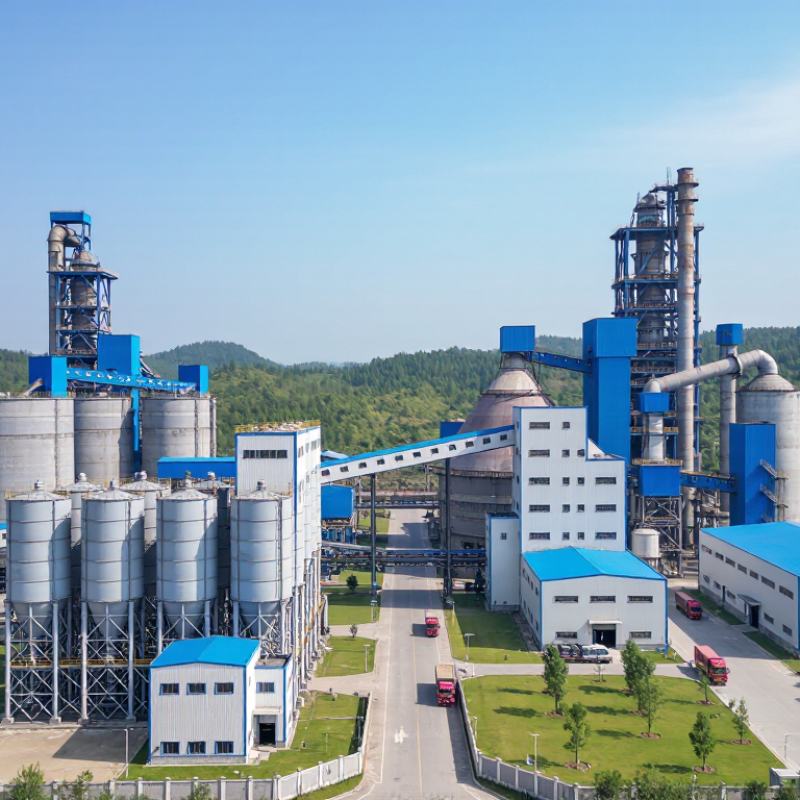
A reliable cement plant manufacturer in China should prove performance beyond polished brochures. China produced about 2.1 billion metric tons of cement in 2023, according to the USGS Mineral Commodity Summaries 2024. That scale demands disciplined engineering, not only low prices. A dependable supplier should show verified capacity, clinker quality, energy consumption, maintenance records, and completed-project references. Independent testing matters. So does transparent documentation.
Energy and emissions reveal deeper competence. The International Energy Agency reported that cement production creates roughly 2.4 gigatons of direct CO2 emissions annually, or about 7% of global emissions. Therefore, a responsible manufacturer should design efficient kilns, stable heat recovery, dust-control systems, and practical monitoring tools. Ask for measured data from operating plants. Do not accept estimated savings alone. A small gap between promised and actual output can become expensive over years.
Tips: Request a full equipment list, warranty limits, spare-parts schedule, and commissioning plan. Check whether the supplier follows recognized standards, including ISO quality systems and relevant cement testing methods. Visit a working plant if possible. Speak with operators, not only sales staff. Reliability also includes after-sales response, training, and remote troubleshooting. No manufacturer is flawless; even strong proposals may hide weak local service. That point deserves careful questioning before signing.
| Evaluation Dimension | Common Industry Benchmark | What a Reliable Manufacturer Should Provide | Why It Matters |
|---|---|---|---|
| Production Capacity | Approximately 50–10,000 tonnes of cement per day, depending on plant configuration | A capacity proposal supported by material testing, equipment sizing, process calculations, and realistic operating assumptions | Prevents undersized equipment, excessive investment, and production bottlenecks |
| Process Technology | Modern dry-process lines commonly use vertical mills or roller presses for raw material and cement grinding | A clearly documented process flow covering crushing, grinding, pyroprocessing, clinker cooling, cement grinding, and packing | A well-matched process improves energy efficiency, product consistency, and maintainability |
| Energy Efficiency | Modern integrated cement plants often target roughly 90–115 kWh of electricity per tonne of cement, depending on raw materials and product type | Guaranteed or clearly estimated power consumption, heat consumption, and operating conditions | Energy cost is one of the largest contributors to long-term cement production expenses |
| Clinker Line Performance | Preheater-precalciner systems are widely used for efficient heat transfer and calcination | Stable kiln operation, effective heat recovery, refractory planning, and documented thermal-performance data | Improves clinker quality while reducing fuel consumption and unplanned shutdowns |
| Environmental Control | Bag filters and electrostatic precipitators are commonly used for dust control; final limits depend on local regulations | A complete emissions-control design with dust collection, monitoring provisions, noise measures, and compliance documentation | Supports regulatory approval, worker safety, community acceptance, and continuous operation |
| Automation and Monitoring | Centralized control systems, process sensors, alarm management, and online quality monitoring are standard features in modern plants | Factory-tested control logic, operator training, data logging, remote diagnostic capability, and cybersecurity provisions | Enables faster response to process variation and reduces operator-dependent errors |
| Quality Assurance | Cement quality is commonly evaluated through strength, setting time, soundness, fineness, and chemical composition | Laboratory equipment, sampling procedures, calibration records, quality-control plans, and testing against applicable standards | Consistent quality is essential for customer acceptance and construction performance |
| Project Execution | A complete project may involve engineering, procurement, civil works coordination, installation, commissioning, and operator training | A defined schedule, responsibility matrix, interface list, installation guidance, commissioning plan, and progress reporting system | Clear project management reduces delays, interface conflicts, and unexpected costs |
| After-Sales Support | Support typically includes spare parts, technical assistance, maintenance guidance, and troubleshooting | A spare-parts list, recommended inventory, response procedures, service contacts, warranty terms, and maintenance documentation | Reliable support protects plant availability and reduces the cost of extended downtime |
| Commercial Transparency | Plant prices vary significantly according to capacity, site conditions, automation level, local construction costs, and equipment scope | A scope-based quotation separating equipment, engineering, shipping, installation, commissioning, taxes, and optional items | Makes competing proposals easier to compare and limits hidden-cost exposure |
| Verification Before Purchase | Technical claims should be checked against applicable standards, test reports, references, and site-specific requirements | Auditable project references, factory inspection access, performance guarantees, contract deliverables, and independent verification options | Independent verification helps distinguish dependable engineering capability from unsupported marketing claims |


