2026 Best Softshell Fabric Options for Global Buyers?
In the world of outdoor apparel, "Softshell Fabric" stands out for its versatility and performance. With rapid advancements in fabric technology, global buyers seek the best options for their needs in 2026. Softshell fabric, known for its balance between breathability and weather resistance, is increasingly popular among consumers and manufacturers alike.
When selecting softshell fabric, buyers must recognize varying qualities. Not all softshell fabrics are created equal. Some offer more durability, while others prioritize comfort or stretch. It's essential to consider these aspects when making a choice. Also, trends in sustainable materials are reshaping the fabric market. Eco-friendly options are not just a niche; they are becoming the standard.
As we delve into the best softshell fabric options of 2026, we will explore various features and innovations. Each fabric has its strengths and weaknesses. Understanding these details ensures informed decisions. The future of softshell fabrics is bright, but personal preferences will guide the ultimate selections. Let’s examine the best options available for buyers worldwide.
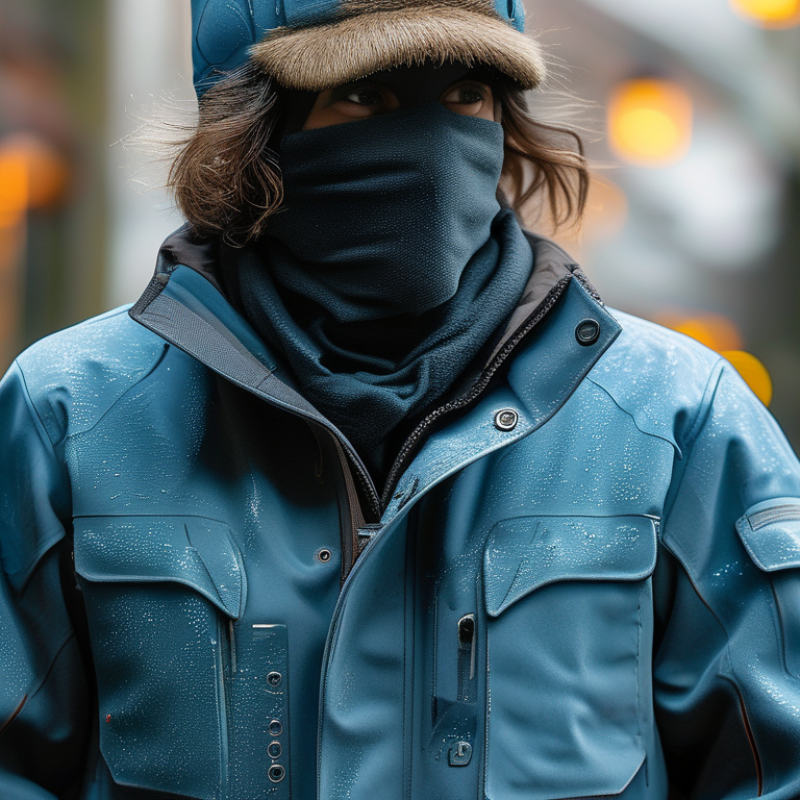
Overview of Softshell Fabrics for Global Market
Softshell fabrics have gained immense popularity in the global market. They offer versatility for various outdoor activities. Research indicates the softshell fabric market is projected to grow by 5.8% annually, reaching over $2.5 billion by 2026. This growth is fueled by the rising demand for lightweight and breathable materials.
Key attributes of softshell fabrics include weather resistance and flexibility. These fabrics often combine a durable outer layer with a warm inner lining. However, challenges exist in achieving the perfect balance of comfort and protection. Manufacturers must continually innovate to optimize fabric performance. Reports suggest that 40% of outdoor enthusiasts prioritize breathability, raising standards for new fabric developments.
Environmental concerns also play a significant role in this market. The shift towards sustainable materials is notable. Data shows that 30% of consumers are willing to pay more for eco-friendly options. This presents a challenge for manufacturers to adapt without compromising quality. The path forward requires continuous research and development, ensuring softshell fabrics meet evolving customer expectations.
2026 Best Softshell Fabric Options for Global Buyers
| Fabric Type | Breathability (g/m²) | Water Resistance (mm) | Weight (g/m²) | Typical Use |
| Polyester Softshell | 600 | 5000 | 250 | Outdoor Jackets |
| Nylon Softshell | 800 | 7000 | 300 | Hiking Gear |
| Spandex Blend Softshell | 500 | 3000 | 220 | Active Wear |
| Recycled Polyester Softshell | 700 | 6000 | 280 | Eco-Friendly Apparel |
| Windproof Softshell | 600 | 4000 | 260 | Windbreaker Jackets |
Key Properties and Benefits of Softshell Fabrics
Softshell fabrics are increasingly essential in outdoor apparel and gear. They are known for their versatility and performance. According to the Outdoor Industry Association, the global outdoor apparel market is projected to reach $19.2 billion by 2026. This growth reflects the increasing demand for softshell materials, indicative of their importance in modern textile applications.
Key properties of softshell fabrics include breathability, water resistance, and stretchability. These fabrics offer a balance between comfort and protection. For example, a study from the Institute of Textile Technology found that softshell garments can maintain a 30% increase in moisture vapor transmission compared to traditional materials. This means they keep wearers dry and comfortable during various activities. Many users report enhanced freedom of movement, crucial for sports and outdoor activities.
However, not all softshell fabrics perform equally. Some may sacrifice durability for lightweight design. Selecting the right fabric requires understanding of specific needs and conditions. Buyers should consider factors like weather resistance and breathability. A recent fabric performance review highlighted that softshell durability can decrease under extreme conditions. This raises essential considerations for manufacturers and consumers alike. Decisions must reflect both performance and longevity.
Top Manufacturers and Brands in the Softshell Fabric Industry
The softshell fabric industry has evolved dramatically. Several key manufacturers are now leading the way. Their expertise sets them apart in the competitive market. These brands focus on durability and comfort. They understand the needs of outdoor enthusiasts and athletes.
Notably, some manufacturers prioritize eco-friendly production methods. This reflects a growing demand for sustainable fabrics. Buyers are increasingly seeking materials that are both functional and environmentally conscious. High-performance softshell fabrics offer water resistance, breathability, and flexibility. These elements appeal to consumers who value quality.
In terms of innovation, some companies experiment with new blends. These advancements can enhance performance features. However, challenges remain. Not all brands achieve a perfect balance of functionality and comfort. This inconsistency invites consumer feedback. Buyers must weigh options carefully. Evaluation of these products will drive industry standards forward.
Popular Applications of Softshell Fabrics Worldwide
Softshell fabrics have become increasingly popular across various applications globally. These materials blend comfort with versatility, making them ideal for outdoor activities. According to a report by Grand View Research, the global softshell fabric market is expected to grow at a compound annual growth rate (CAGR) of 4.7% from 2021 to 2028. This growth is driven by the demand for breathable and stretchable materials in activewear and other outdoor gear.
Outdoor enthusiasts often choose softshell fabrics for jackets and pants. These fabrics provide excellent resistance to wind and water, while maintaining breathability. A study published in the Journal of Textile Engineering indicated that softshell materials outperform traditional fabrics in moisture-wicking properties. This makes them suitable for climbing, hiking, and other strenuous activities. However, the durability of these fabrics can vary, leading some buyers to question long-term performance.
In the fashion industry, softshell fabrics also find applications in casual wear and everyday clothing. Shifts in consumer preference towards functional yet stylish apparel are evident. Research from the Technical Textile Market Report highlights that global buyers recognize the appeal of softshells, blending performance with aesthetics. Yet, manufacturers must continuously improve production techniques to address sustainability concerns, ensuring these fabrics are both eco-friendly and high-performing.
Future Trends in Softshell Fabric Development and Innovation
The softshell fabric market is evolving. Innovations are driven by increasing demand for versatile and durable materials. According to a recent market report, the global softshell fabric sector is projected to grow at a CAGR of 5.9% from 2023 to 2028. This growth is fueled by consumers seeking high-performance fabrics for outdoor and sports activities.
A key trend is the development of eco-friendly softshells. Brands are prioritizing sustainable materials to reduce environmental impact. Innovations in biodegradable fibers are promising. However, achieving durability while maintaining eco-consciousness presents challenges. Researchers are exploring new blends that balance these factors.
Tips: When considering softshell fabric for your needs, check for breathability and moisture-wicking properties. These features enhance comfort during physical activities. Moreover, look for certifications indicating sustainability practices. They can assure you of the material’s environmental safety.