10 Best Glass Etching Machines for Perfect Results Every Time?
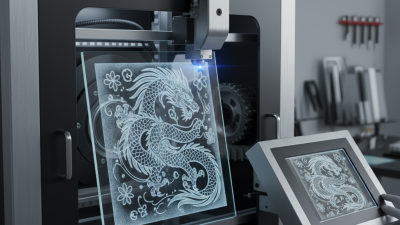
Glass etching is a captivating art form that transforms ordinary glass into stunning works of art. The right glass etching machine is essential for achieving perfect results consistently. These machines allow artists and hobbyists alike to bring their creative visions to life, whether for personal projects or professional endeavors.
When exploring the world of glass etching machines, you'll find various options available. Each machine comes with unique features, making it essential to assess your specific needs. The process may seem straightforward, but achieving flawless results often requires practice and experimentation. Even the best machines can produce less-than-perfect designs if not used correctly.
In this guide, we will introduce you to the ten best glass etching machines on the market. These tools can help you create intricate designs and personalize glass items efficiently. Yet, like any craft, there are challenges along the way. There's a learning curve involved in mastering the techniques. Choose wisely, and you may find a glass etching machine that elevates your artistry.
The Importance of Glass Etching Accuracy in Professional Projects
Glass etching is a precise craft that can elevate professional projects. Accurate etching ensures that designs are crisp and clear. Any blur or misalignment can ruin a piece. Clients expect perfection, especially in custom orders. A tiny mistake can lead to dissatisfaction and lost business.
When working with glass, always prepare the surface. Clean it thoroughly. Even small smudges can affect the process. Use high-quality stencils to guide your etching. They help maintain accuracy and create clean lines. It’s essential to test your stencil before committing to the final piece.
Consider using a lightbox for better visibility. This tool enhances your ability to see designs during the etching process. Keep your workspace organized to avoid distractions. A cluttered area can lead to accidental errors. Remember, practice makes perfect, but even seasoned artisans make mistakes. Reflect on each project to improve your skills. Embrace the learning journey with each piece you create.
Key Features to Look for in High-Quality Etching Machines
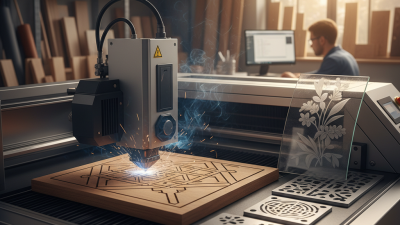
When choosing a glass etching machine, consider key features that influence performance. Power is vital; higher wattage typically means faster etching. This is crucial for larger projects. Think about the speed settings available. Multiple speeds allow for precision on various materials. A machine that can adapt to different glass types will give more versatility in your projects.
Another important aspect is the size of the etching area. If you regularly work with larger pieces, a spacious etching area is necessary. It might be tempting to go for compact machines, but limitations can lead to frustration. Moreover, a well-designed user interface simplifies the etching process. Intuitive controls are essential to avoid mistakes during operation.
Look for features like adjustable depth settings. This helps achieve the desired finish, whether it's light frosted or deep etching. Many options lack this, leaving users with inconsistent results. It’s also wise to consider accessories. Some machines come with stencils or templates, while others do not. High-quality etching machines should balance power, speed, and user-friendly design for success.
Glass Etching Machines Performance Comparison
Comparative Analysis of Top Glass Etching Brands and Models
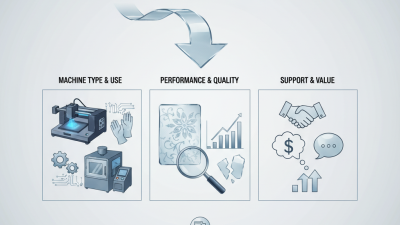
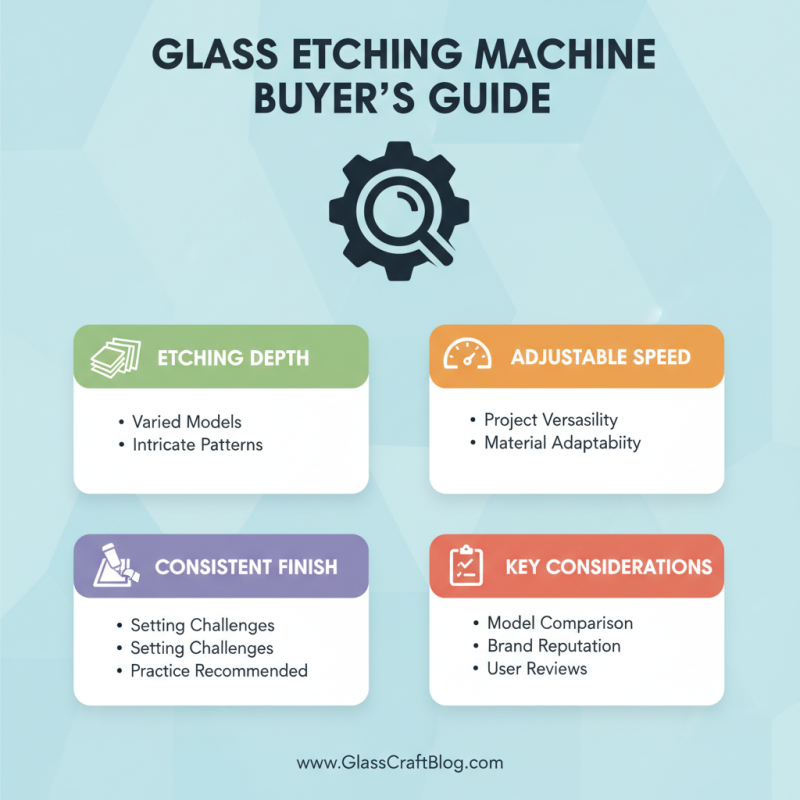
Choosing the right glass etching machine requires careful consideration of different models and brands. Each machine offers unique features that can impact your results. For instance, some machines provide varied etching depths, allowing for intricate patterns. These machines often include adjustable speeds, making them versatile for different projects. However, users sometimes find it challenging to achieve a consistent finish when switching between settings.
Many people overlook the importance of safety features. A machine might etch beautifully but could lack adequate protection for the user. Those features are crucial, especially for beginners who may not fully understand the risks. It’s essential to check reviews and user experiences before making a decision. Some users report difficulties in learning how to operate their machines effectively. This can lead to unsatisfactory results and frustration.
Comparing machines goes beyond just features. It’s also about the warranty and customer support. Reliable brands tend to offer better support for troubleshooting. New users might face a steep learning curve, and having access to guidance can make all the difference. An etching machine may seem perfect on paper, but real-life experiences can vary widely. Every choice requires a bit of reflection to ensure that your investment meets your needs effectively.
Maintaining Your Glass Etching Machine for Longevity and Performance
Proper maintenance of your glass etching machine is crucial for longevity and performance. Regular cleaning keeps the components free of debris and residue. A study by the American Institute of Precision Manufacturing revealed that routine maintenance can extend machine life by up to 30%. Neglecting this can lead to reduced efficiency and costly repairs.
Check the alignment of your machine regularly. Misalignment can result in uneven etching, wasting materials and time. Over time, components may wear down, leading to inaccuracies in your designs. Keeping a maintenance log helps track issues and ensures timely adjustments. A survey showed that 40% of users reported improved outcomes after implementing a structured maintenance routine.
Using high-quality materials is important too. Poor quality glass or etching solutions can cause clogs and damage. Be mindful of your tool settings; incorrect pressure can create unwanted marks. It is essential to assess your techniques consistently. A well-maintained machine not only performs better but also inspires confidence in the results you produce.
10 Best Glass Etching Machines for Perfect Results Every Time
| Machine Model |
Etching Depth (mm) |
Speed (in/min) |
Power (Watts) |
Weight (lbs) |
| Model A |
0.5 |
10 |
100 |
15 |
| Model B |
0.7 |
12 |
150 |
18 |
| Model C |
0.3 |
8 |
120 |
12 |
| Model D |
0.4 |
9 |
140 |
14 |
| Model E |
0.6 |
11 |
160 |
20 |