
1101 W. Sanilac Rd. Caro, MI 48723
989.673.6690
Choosing the best Electric Block Machine in 2026 is not simply a matter of comparing motor power or advertised output. The right choice depends on block dimensions, daily production targets, available floor space, and local electricity supply. A machine that looks impressive in a brochure may perform differently with your aggregate mix. Real production conditions matter.
Industry reports provide useful context, but they do not rank individual machines. UNEP and GlobalABC’s 2023 Global Status Report estimated that buildings and construction accounted for 34% of global energy demand and 37% of energy- and process-related carbon dioxide emissions in 2022. These figures describe the wider sector, not block-machine performance. Still, they underline why energy use, material efficiency, and consistent output deserve attention when comparing equipment. The International Energy Agency also tracks cement as a major source of industrial emissions, making efficient use of cement-containing materials a relevant production consideration.
Look beyond the headline capacity. Check whether the manufacturer specifies cycle time, mold-change requirements, power consumption, and expected output for your chosen block size. Ask for a demonstration using a comparable mix, and confirm how rejected units are counted. Small details matter. A slightly slower machine may produce more saleable blocks if it delivers consistent dimensions and fewer defects. This guide compares Electric Block Machine options using practical criteria, published specifications, and questions buyers should verify directly. There is no perfect model for every plant. Some comparisons remain uncertain until the machine runs on your floor.
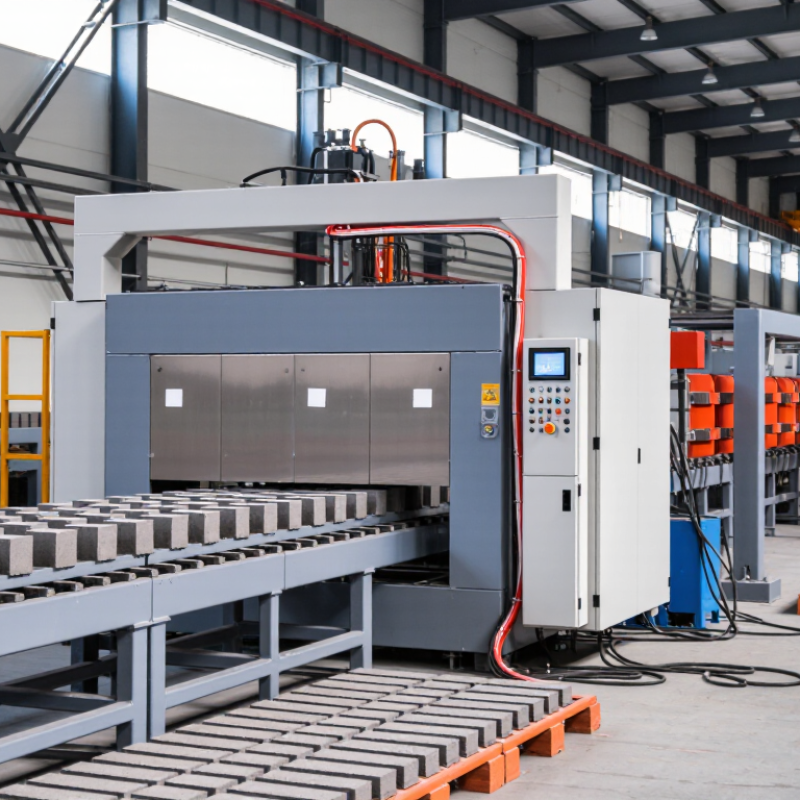
An electric block machine is equipment that forms concrete or masonry blocks using a powered motor and a compacting system. The motor drives vibration or pressure, helping a measured mix settle into a mold. A typical setup includes a hopper, mold, control panel, and a platform for handling finished blocks. The operator feeds the mix, selects a mold, and removes the newly formed unit for curing. The machine shapes blocks; it does not replace careful mix design or proper curing. That matters. A block may look solid when it leaves the mold, yet still crack if the mix is too wet or curing is rushed.
When assessing a machine, consider its block size range, production rate, power needs, and ease of cleaning. Claimed output figures can be misleading because they may exclude mold changes, material refills, and routine pauses. Watch how steadily the machine compacts the mix, and check whether controls are clear and accessible. Uneven vibration can leave rough edges or weak corners. Electric operation may reduce manual effort, but it still requires trained handling and regular checks of moving parts. A small trial run with the intended mix can reveal issues that a specification sheet misses. Even then, results may vary with aggregate, moisture, and operator technique.
Common nominal widths of concrete masonry units that an electric block machine may be configured to produce
How to use this chart: An electric block machine uses an electrically powered system to form blocks in a mold. The best choice depends on the block sizes your customers need, along with required output and available space. These are common nominal width formats, not a universal specification; confirm local standards and mold dimensions with the supplier.
An electric block machine converts a damp, carefully measured mix into compact masonry units. Operators combine cement, graded sand or crushed stone, and water in a mixer. The mixture should feel crumbly, not soupy. Moisture matters. The U.S. Geological Survey’s Mineral Commodity Summaries 2025 estimates U.S. cement production at about 86 million metric tons in 2024, reflecting the scale of cement-based construction materials.
The batch moves into a hopper, then fills a steel mold set with the chosen block shape. Electric motors power the mixer and material feed; a hydraulic system or mechanical press compacts the mix. Vibration helps particles settle into corners while pressure forms dense, consistent units. The mold lifts, leaving fresh blocks on a pallet. The cycle repeats. Too little water can weaken the edges; too much may blur the block’s shape.
Fresh blocks need controlled curing, often in a humid chamber, so cement can gain strength without drying too quickly. Workers check dimensions, surface defects, and sample strength before shipment. In practice, settings need adjustment when aggregate size or moisture changes. That part is less automatic than it sounds. Buyers comparing machines in 2026 should ask how vibration, pressure, and feed rates are adjusted, then verify output with trial batches using their own materials.
The best electric block machine in 2026 depends on the work it must handle, not its advertised speed alone. Start with the blocks you plan to make: their dimensions, shape, and daily quantity. A machine rated for high output may struggle to maintain consistent density if its mixer, mold, or curing workflow cannot keep pace. Check whether your available power supply matches the machine’s requirements. A mismatch can mean costly electrical work or production delays.
Look closely at adjustment controls, frame strength, and access to wear parts. Ask for test results using a mix similar to yours, and inspect sample blocks for chipped edges, uneven surfaces, and consistent dimensions. Noise, cleaning time, and operator training matter too. These details are easy to overlook. A small workshop may value a compact footprint more than maximum output, while a larger site may need reliable cycle times and straightforward maintenance.
Tips: Request a live demonstration with your intended block size. Confirm what routine servicing involves, and get spare-part availability in writing. Compare the full operating cost, including power, labor, and downtime—not just the purchase price. I would still leave room for uncertainty: actual output can vary with mix quality, operator skill, and curing conditions.
There is no single best machine for every operation. Use the criteria below to compare machines against your block type, local requirements, available utilities, and production plan. Treat supplier output figures as claims to verify under agreed test conditions.
| Evaluation factor | What to check | How to verify it | Suggested weight |
|---|---|---|---|
| Verified production capacity | Saleable blocks per hour or shift for the exact block size, mold, mix, and number of operating shifts. | Request a witnessed production test. Record cycle time, stoppages, rejected blocks, and finished units over a stated period. Compare like-for-like products and operating conditions. | 20% |
| Product range and mold flexibility | Supported block dimensions, hollow or solid designs, pavers, mold-change time, and availability of replacement molds. | Confirm the machine can make each intended product with the proposed mold. Ask for drawings, changeover instructions, and a demonstration using the required product. | 12% |
| Block quality and consistency | Dimensional accuracy, surface finish, density, edge integrity, and compressive strength of cured products. | Measure sample blocks and have representative cured samples tested using the applicable local product standard. Compare results with the project specification. | 15% |
| Electrical supply and energy use | Rated voltage, phase, frequency, installed motor power, starting current, and energy consumed per production unit. | Match the nameplate and electrical drawings to the site supply. Measure kWh during a defined production run and report it per 1,000 saleable blocks or another consistent unit. | 10% |
| Automation and labor needs | Level of automatic control, feeding and stacking arrangements, operator tasks, and skills required for setup and troubleshooting. | Map the full production line, not just the press. Confirm the number of operators needed during a trial and identify which steps remain manual. | 10% |
| Reliability and maintenance | Wear-part life, maintenance intervals, fault diagnostics, hydraulic or mechanical service needs, and access to replacement parts. | Review the maintenance schedule and parts list. Ask for service records from comparable installations and confirm local availability and delivery times for critical parts. | 10% |
| Safety and compliance | Machine guarding, emergency stops, safe access, electrical protection, operating instructions, and applicable local workplace requirements. | Inspect the machine and documentation before purchase. Confirm applicable national rules and relevant machinery and electrical safety standards with a qualified reviewer. | 8% |
| Installation and site fit | Machine footprint, foundation requirements, working clearances, material flow, pallet handling, and connection requirements. | Compare supplier installation drawings with a site layout. Confirm foundation loads, access for delivery, utilities, and space for curing and finished-product storage. | 5% |
| Total cost of ownership | Purchase price plus installation, molds, freight, energy, labor, maintenance, consumables, and expected downtime. | Compare costs over the same ownership period and production plan. Use cost per saleable block rather than purchase price alone. | 7% |
| Training and after-sales support | Commissioning, operator training, technical documentation, response arrangements, and warranty terms. | Get support scope and warranty exclusions in writing. Confirm who provides commissioning, training, and troubleshooting after installation. | 3% |
| Total suggested evaluation weight | 100% | ||
Electric block machines differ mainly in how they compact material and how much handling they automate. Hydraulic models apply controlled pressure, while mechanical presses rely on linked moving parts. Vibration-focused machines use frequency and amplitude to settle the mix into the mold. Some systems combine these methods. That affects block density, surface finish, and noise on the factory floor.
Compare mold dimensions, pallet size, vibration settings, motor power, cycle time, and rated output. A quoted hourly output is only useful when the supplier states the block size, mix, and shift conditions behind it. The Global Cement and Concrete Association’s 2021 Concrete Future roadmap estimates annual global concrete production at about 14 billion cubic meters. That scale makes efficient production relevant, but it does not predict one plant’s demand. The U.S. Department of Energy’s Improving Compressed Air System Performance sourcebook notes that compressed air can use around 10% of manufacturing electricity, with higher shares in some facilities. Check pneumatic loads alongside machine power. Numbers need context. I would also test sample blocks using the intended mix; brochure specifications cannot show every flaw in a real mold.
Choosing the best electric block machine in 2026 starts with the blocks you actually sell. Compare output using your required block size, mix, and shift length—not a headline capacity alone. The U.S. Department of Energy’s Improving Motor and Drive System Performance sourcebook estimates that motor-driven systems use about 54% of U.S. manufacturing electricity. That figure is not specific to block machines, but it makes motor efficiency and measured power use worth checking. Ask suppliers for operating data under a comparable production load.
Check mold-change time, vibration consistency, controls, spare-part availability, and the power supply at your site. Request a trial with your own aggregate and cement mix; inspect edges, dimensions, and breakage after curing. The Global Cement and Concrete Association’s 2021 roadmap estimates cement causes about 7% of global CO2 emissions, so reducing rejects can matter as well as choosing efficient equipment. A tidy brochure cannot replace a realistic trial. That part is easy to miss.
Tips: Get a written cycle-time estimate for your exact product. Confirm installation needs, operator training, and routine maintenance before comparing prices. Leave room for future molds, but avoid paying for capacity your team cannot run reliably. Some buyers overestimate demand; it happens.