Top Benefits of Laser Etching for Global Buyers?
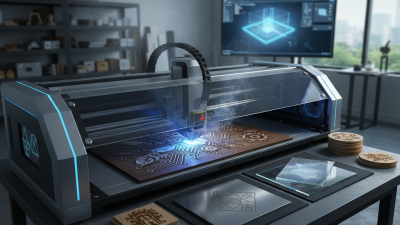
In the ever-evolving landscape of manufacturing and design, laser etching has emerged as a powerful tool for global buyers. This technology offers precision, versatility, and speed—traits highly sought after in today's market. Laser etching allows for intricate patterns and designs on various materials, from metal to wood, enhancing product appeal and branding opportunities.
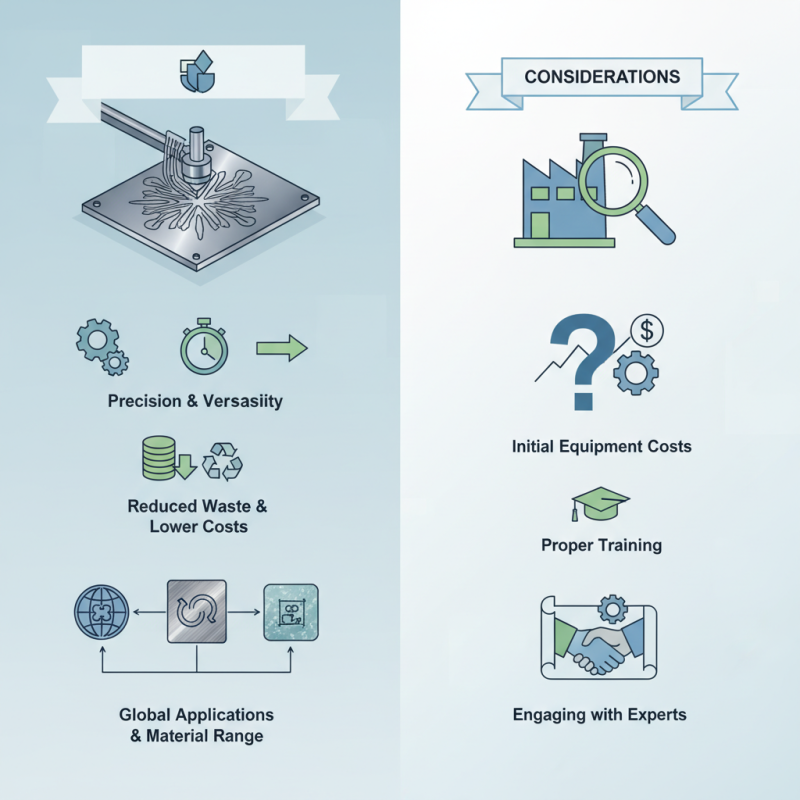
As more businesses recognize its potential, laser etching stands out for its ability to deliver consistent results. Companies benefit from reduced waste and lower costs over time. However, it is crucial to understand that not every application suits this method perfectly. Industries must assess their needs carefully before transitioning to laser etching. Despite its advantages, there are considerations regarding initial equipment costs and proper training.
Ultimately, laser etching represents a significant advancement in manufacturing technology. Yet, the decision to adopt this method should not be taken lightly. Buyers must weigh its benefits against potential challenges. Engaging with experts in the field can provide insights that lead to better-informed decisions.
Understanding Laser Etching: An Overview for Global Buyers
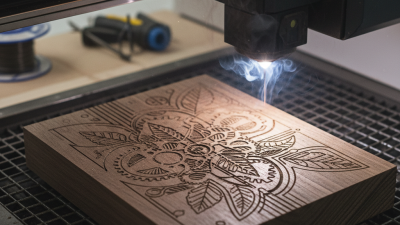
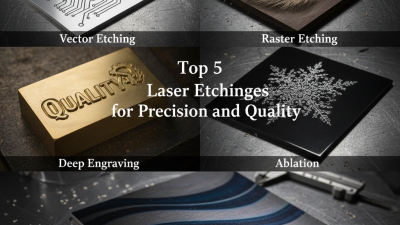
Laser etching is a versatile technology that has gained popularity among various industries. It involves using lasers to engrave designs on different materials. This precise method allows for intricate detailing that traditional engraving often fails to achieve. The technique is frequently employed in creating signage, promotional items, and even intricate art pieces.
One significant aspect of laser etching is its ability to produce consistent results. This reliability is crucial for businesses catering to global buyers. The etching process minimizes errors and enhances product quality. However, one must acknowledge that mastering this technology requires time and training. Understanding the right laser settings for different materials can be complex. This learning curve can be a point of frustration for new users.
Additionally, the initial investment in laser etching equipment may seem daunting. Not all businesses, especially small ones, can afford this upfront cost. However, the long-term benefits often outweigh these initial challenges. As demand grows, the ability to customize products with precision and speed becomes invaluable. Businesses that successfully adopt laser etching can stand out in competitive markets.
Key Advantages of Laser Etching in Various Industries
Laser etching is revolutionizing various industries with its precise and versatile application. It offers a clean and efficient way to mark materials, creating detailed designs without compromising quality. For instance, in the manufacturing sector, laser etching allows for permanent product identification. This improves traceability and enhances brand integrity. Items can showcase intricate logos or serial numbers that withstand wear and tear.
In the medical field, precision is paramount. Laser etching is used on surgical instruments and medical devices. This ensures high standards of hygiene and safety. The risk of contamination is lower with laser markings compared to traditional labels. The clarity and durability of etched information support compliance with stringent industry regulations.
However, some challenges arise. Laser etching can be costly for small businesses. Not all materials are suitable for this method. It requires an upfront investment in technology and training. Additionally, errors in design can lead to waste. These factors must be considered when integrating laser etching into production processes. Balancing benefits with potential drawbacks is essential for successful implementation.
Top Benefits of Laser Etching for Global Buyers
| Industry |
Key Benefits |
Applications |
Materials Suitable |
| Manufacturing |
High precision, fast processing |
Product marking, part identification |
Metals, plastics |
| Medical |
Sterilizable markings, no contamination |
Surgical instruments, implants |
Stainless steel, titanium |
| Electronics |
Detailed designs, miniaturization |
Circuit boards, components |
Copper, plastic |
| Consumer Goods |
Customizability, branding |
Personalized gifts, packaging |
Wood, acrylic |
| Automotive |
Durability, weather resistance |
Chassis, interior components |
Aluminum, polymers |
Cost-Effectiveness of Laser Etching Compared to Traditional Methods
Laser etching is becoming an increasingly popular choice among global buyers due to its cost-effectiveness compared to traditional methods. According to a recent industry report, laser etching can reduce costs by up to 30% when compared to older engraving techniques. This reduction is primarily due to faster processing times and minimal waste material. Manufacturers save money on labor and machine maintenance, which makes laser etching an appealing option.
One significant advantage is the precision of laser etching. It allows for intricate designs on various materials without the need for extensive tooling. A study indicated that precision can improve production speed by 40%. This means that businesses can provide customized solutions quickly, leading to increased customer satisfaction and repeat business.
Tip: Always choose a reputable service provider. Check their experience in laser etching for quality assurance.
It's essential to keep in mind that while laser etching is efficient, it may require higher initial investments in equipment. For smaller businesses, this can be daunting. However, the long-term savings often justify the upfront costs.
Tip: Consider hybrid solutions that integrate both traditional and laser methods. This can maximize efficiency and control costs effectively.
Versatility of Laser Etching for Different Materials and Applications
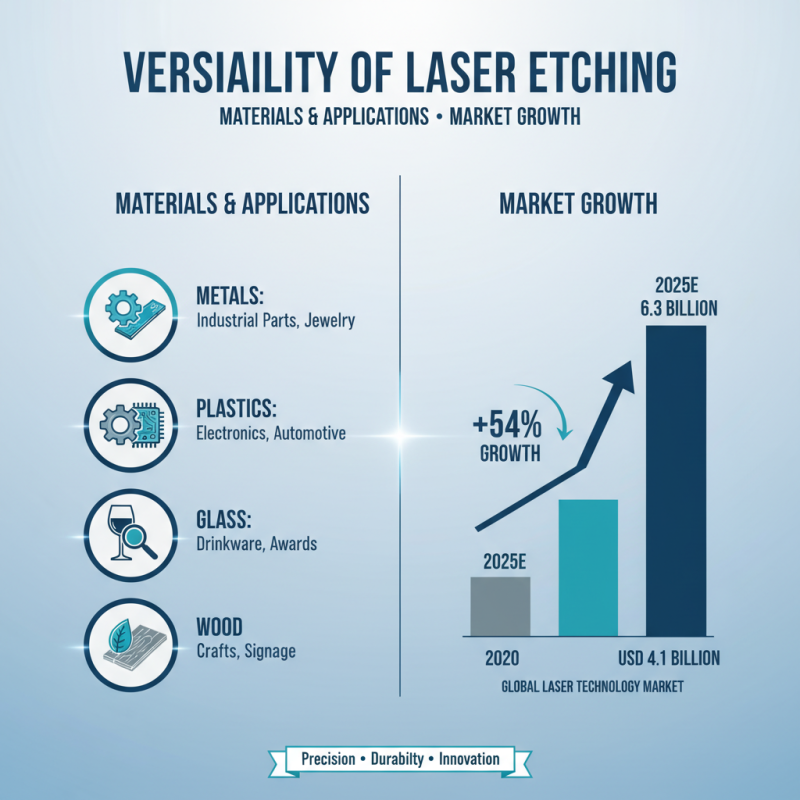
Laser etching has gained significant traction in various industries due to its remarkable versatility. This technology allows for the precise marking and engraving of different materials, including metals, plastics, glass, and wood. The Global Laser Technology Market report projects that the market will reach USD 6.3 billion by 2025, signifying a growing demand for laser etching applications.
Different sectors benefit from this adaptability. In manufacturing, laser etching is crucial for product identification and traceability. The automotive industry utilizes it for labeling critical components. The medical sector employs laser etching to create intricate designs on surgical instruments and implants, ensuring high levels of hygiene and precision. The adaptability of laser systems caters to both small-scale and mass production while maintaining high quality.
However, the process can present challenges. Not all materials respond equally to laser etching, leading to inconsistent results in some cases. Users may face difficulties determining the optimal settings for various substrates. Data suggests that improper settings can result in poor engraving quality or material damage. Continuous research and development are necessary to refine techniques and broaden the range of materials suitable for laser etching. This evolving technology demands careful consideration from its users to fully leverage its potential.
Environmental Benefits of Choosing Laser Etching Techniques
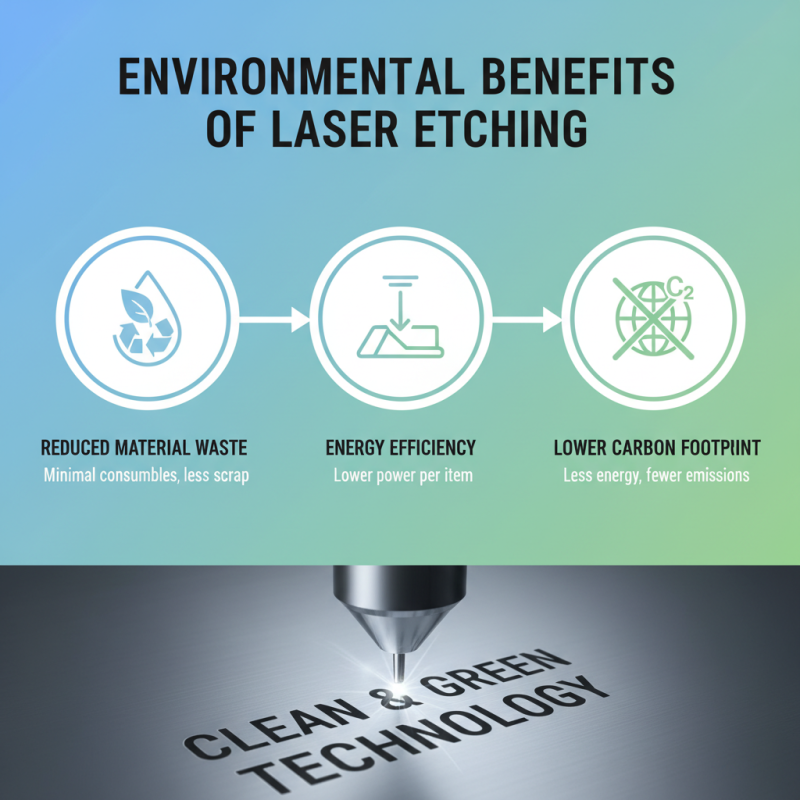
Laser etching stands out for its environmental benefits. Unlike traditional methods, it uses minimal materials. This reduces waste significantly. Additionally, laser etching utilizes precise technology that enhances efficiency. This means less energy consumption per item produced.
The process does not require harmful chemicals. Many conventional etching techniques involve toxic substances, which can pollute the environment. By choosing laser etching, businesses contribute to a greener planet. Water usage is also lower, making this method sustainable. Though the technology is advanced, it can be initially costly.
Some companies may hesitate to switch from conventional methods. The learning curve can be steep, and not all employees may adapt quickly. However, investing in laser etching can provide long-term savings. Reducing waste and energy use not only helps the environment but can also improve a company's reputation. Customers today favor eco-friendly practices.