
hero image

7 Best Custom Soap Dish Holder Suppliers in China

Choosing a reliable supplier is the real starting point for any Soap Dish Holder Custom China project. A beautiful sample means little if drainage holes are uneven, glaze colors shift, or packaging fails during delivery. This guide introduces seven Chinese suppliers serving hotels, retailers, bathroom brands, and private-label businesses.

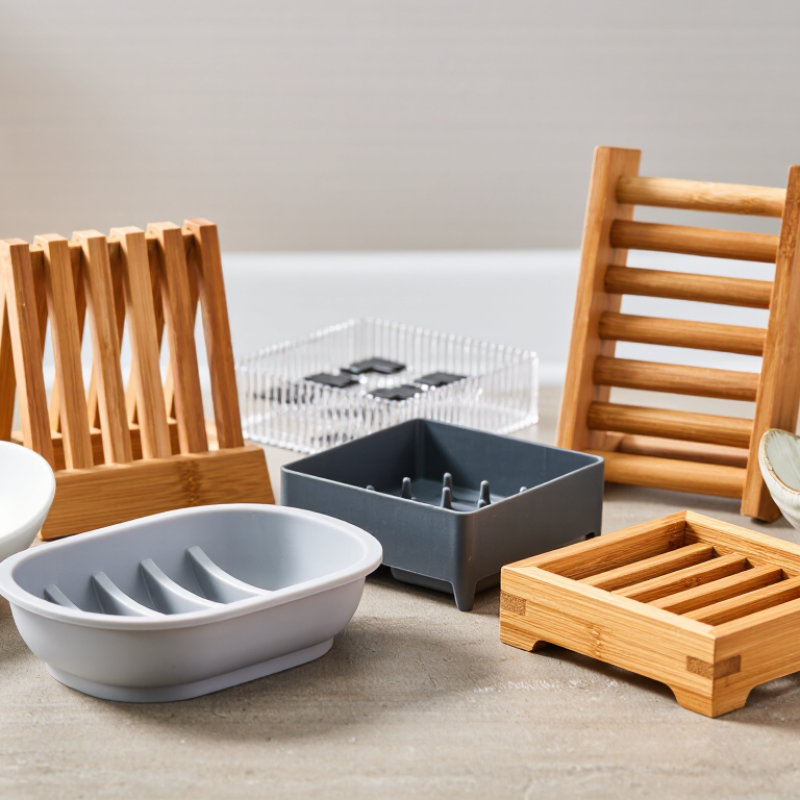
Each company should be evaluated beyond its product photographs. We consider material options, mold development, minimum order quantities, sample policies, production capacity, inspection procedures, and export experience. Ceramic holders may offer a premium, handcrafted appearance. Bamboo can create a warmer bathroom atmosphere. Silicone and plastic designs often provide lighter shipping and easier color matching. Small details matter, including raised feet, water channels, non-slip pads, and carton protection.

Wang Jian, a China-based bathroom accessories sourcing consultant with more than ten years of supplier evaluation experience, says, “A dependable soap dish supplier does not only sell a shape; it controls the details that protect the customer’s daily experience.” That principle deserves attention. We have seen attractive prototypes become disappointing bulk orders. Sometimes the mistake is simple: nobody tested standing water after repeated use. It happens.

The suppliers below are compared for communication, customization flexibility, quality consistency, production evidence, and commercial practicality. Buyers should still request current samples, factory videos, material documents, and written specifications before placing an order. No ranking can replace direct verification. This is not a perfect process, but careful questions can expose weak suppliers early and make a custom soap dish project more predictable.
7 Best Custom Soap Dish Holder Suppliers in China

What Makes a Reliable Custom Soap Dish Holder Supplier in China

7 Best Custom Soap Dish Holder Suppliers in China

What Makes a Reliable Custom Soap Dish Holder Supplier in China

A reliable custom soap dish holder supplier should show practical manufacturing experience, not only attractive catalog photos. Ask for material samples, mold details, drainage tests, and clear production timelines. A good supplier can explain how ceramic, bamboo, silicone, or recycled plastic performs in humid bathrooms. Small details matter, such as raised grooves, rounded edges, and stable feet.

Request a sample with your logo, color, dimensions, and packaging requirements. Check its surface finish under bright light. Look for pinholes, uneven glazing, sharp edges, or weak adhesive parts. These defects may seem minor, but soap residue exposes them quickly. Suppliers with documented quality checks usually provide inspection photos, batch records, and replacement procedures. Independent factory audits can add useful evidence, although they do not remove every risk.

Communication also reveals supplier reliability. Replies should answer technical questions directly and mention possible limitations. A supplier that promises everything may understand little. No supplier is perfect. Even a strong factory can miss a color shade or delay a mold revision. This is where written specifications, approved samples, and milestone checks become essential. Confirm carton strength, moisture protection, shipping marks, and export documents before production. A dependable partner welcomes these questions and corrects weak points without hiding them.

7 Best Custom Soap Dish Holder Suppliers in China - What Makes a Reliable Custom Soap Dish Holder Supplier in China

Rank Supplier Profile Primary Manufacturing Area Main Materials Typical MOQ Customization Capabilities Sample Lead Time Bulk Lead Time Quality & Compliance Indicators Reliability Score
1 Profile A – Ceramic Specialist Foshan and Chaozhou, Guangdong Ceramic, stoneware, porcelain, bamboo 500–1,000 pieces Custom molds, glaze colors, embossed logos, packaging, drainage patterns 7–15 days 30–45 days Glaze testing, dimensional inspection, drop testing, export packaging control 9.2/10
2 Profile B – Silicone & Plastic Producer Dongguan and Shenzhen, Guangdong Food-grade silicone, PP, ABS, recycled plastic 1,000–3,000 pieces Injection molds, silicone colors, overmolding, suction bases, logo printing 5–12 days 25–40 days Material declarations, RoHS/REACH testing options, mold-flow review, batch inspection 9.0/10
3 Profile C – Bamboo & Wood Manufacturer Ningbo and Taizhou, Zhejiang Bamboo, rubberwood, acacia, beech, stainless steel 300–800 pieces CNC cutting, laser engraving, oil finishes, drainage slots, mixed-material assembly 8–14 days 30–50 days Moisture testing, coating inspection, wood-source documentation, carton drop testing 8.8/10
4 Profile D – Stainless Steel Fabricator Jiangmen and Zhongshan, Guangdong 304 stainless steel, 201 stainless steel, zinc alloy 500–1,500 pieces Stamping, laser cutting, welding, powder coating, PVD finishes, wall-mount designs 7–14 days 25–45 days Salt-spray testing, weld inspection, coating adhesion testing, material-grade verification 8.7/10
5 Profile E – Natural Stone Workshop Quanzhou and Xiamen, Fujian Marble, granite, travertine, terrazzo, resin composite 200–500 pieces CNC shaping, edge profiles, stone combinations, sealing, custom inserts 10–18 days 35–55 days Surface sealing tests, color and vein approval, dimensional inspection, reinforced packaging 8.5/10
6 Profile F – Glass & Mixed-Material Factory Nantong and Suzhou, Jiangsu Tempered glass, borosilicate glass, silicone, stainless steel 500–1,000 pieces Screen printing, frosting, silicone frames, metal brackets, custom gift sets 10–16 days 30–50 days Thermal-shock testing, edge inspection, print adhesion testing, protective packaging checks 8.3/10
7 Profile G – OEM Giftware Supplier Yiwu and Jinhua, Zhejiang ABS, PP, ceramic, bamboo, silicone 1,000–5,000 pieces Existing mold adaptation, color matching, logo application, retail packaging, product bundling 5–10 days 20–35 days Pre-shipment inspection, packaging audits, material documentation, barcode and labeling support 8.1/10
Evaluation criteria: Custom mold capability, material consistency, quality-control procedures, minimum order quantity, sampling speed, production capacity, packaging protection, compliance documentation, and communication reliability. Lead times and MOQs are typical China sourcing ranges and should be confirmed for each project.

Key Criteria for Comparing Chinese Soap Dish Holder Manufacturers

Choosing among the 7 best custom soap dish holder suppliers in China requires more than comparing prices. A dependable manufacturer should provide clear material details, sample approval, production records, and realistic delivery dates. Ask whether the holder uses ceramic, bamboo, stainless steel, or recycled resin. Each material needs different testing and packaging.

Inspect a physical sample carefully. Check the drainage holes, surface finish, sharp edges, and stability on a wet countertop. Details matter. A glossy sample may hide uneven glazing or weak joints. Request photos from several production stages, not only polished catalog images. Confirm the factory’s quality inspection process and whether inspectors record defects before packing.

Production flexibility is another key criterion. Compare minimum order quantities, mold fees, color matching, logo methods, and carton protection. A capable supplier should explain how custom dimensions affect cost and drying time. Ask for test reports when material safety is important. Communication also reveals expertise. Replies should be specific, not vague promises. One honest limitation is better than an attractive answer that later changes. Review the supplier’s export experience, sample lead time, replacement policy, and payment terms. Calculate the full landed cost, including tooling, packaging, freight, and possible rework. A factory may look inexpensive until damaged holders arrive or a mold requires unexpected revision. Reliable cooperation is built through documented details, small trial orders, and consistent follow-up.

Seven Leading Custom Soap Dish Holder Suppliers to Consider

China’s custom soap dish market serves hotels, retailers, and private-label bathroom collections. Grand View Research forecasts the global bath and shower products market to grow at about 3.6% annually through 2030. That growth rewards suppliers with reliable sampling, not only attractive catalogs.

Seven leading supplier types deserve attention. Ceramic factories in Guangdong offer glazed finishes and drainage grooves. Bamboo producers in Zhejiang provide warm, renewable styling. Stone workshops in Fujian create heavier, premium pieces. Silicone manufacturers support flexible, slip-resistant designs. Stainless-steel factories deliver corrosion resistance for humid bathrooms. Resin specialists reproduce marble-like textures at lower tooling costs. OEM bathroom-accessory factories combine molding, packaging, inspection, and export support. Each option has a different weakness. Ceramic can chip. Bamboo needs sealing. Resin may age poorly under heat.

ISO 9001 certification can indicate documented quality controls, but it does not guarantee a perfect product. Ask for material declarations, factory audit records, and batch inspection photos. The Global Wellness Institute valued the wellness economy at 6.3 trillion dollars in 2023, showing stronger demand for polished home-care environments. Still, appearance alone is a poor buying test. A useful sample should drain water within seconds, stay stable on wet tiles, and survive repeated cleaning. Request at least two revisions. That extra step feels slow, yet it often exposes inconsistent glaze thickness, sharp edges, or weak adhesive pads. Suppliers that explain these failures openly deserve closer consideration.

7 Best Custom Soap Dish Holder Suppliers in China

Material density is a practical consideration when comparing custom soap dish holder options. Lower-density materials are typically easier to handle and ship, while higher-density materials can provide greater weight and stability.

Approximate typical material densities: bamboo 0.60 g/cm³, polypropylene 0.90 g/cm³, ABS 1.04 g/cm³, ceramic 2.40 g/cm³, and stainless steel 7.90 g/cm³. Actual values vary by grade, composition, and manufacturing process.

How to Evaluate Materials, Designs, Pricing, and Production Capacity

When comparing the 7 Best Custom Soap Dish Holder Suppliers in China, inspect materials before discussing price. Ceramic offers a smooth, premium surface, but it can chip during transport. Stainless steel resists moisture and usually suits hotels. Bamboo looks warm, yet poor sealing may cause swelling. ABS plastic lowers cost, but its finish can feel less refined. Grand View Research estimated the global bathroom accessories market at about USD 22.38 billion in 2023, with continued growth expected through 2030. This signals demand, but it does not prove every supplier has stable quality.

Evaluate drainage design with a real-use test. Water should leave the dish quickly, while raised ribs should keep soap above pooled moisture. Ask for drawings, material specifications, sample approval records, and test results. For metal parts, request corrosion testing details. For ceramic parts, inspect glaze consistency and edge strength. Use ISO 2859-1 sampling when checking mass production. It creates a clearer acceptance standard. Still, sampling cannot reveal every hidden defect.

Tips: Request three samples from different batches. Compare weight, drainage time, surface finish, and packaging damage. Pricing should include tooling, packaging, inspection, and shipping terms. Ask for monthly capacity, current utilization, equipment lists, and peak-season lead times. Industry reports often describe market growth, not factory reliability. My own caution is simple: a low quote may reflect thinner material, weaker packaging, or optimistic capacity claims. Verify the numbers through a production video, audit, or small trial order.

Steps for Requesting Samples, Confirming Orders, and Managing Quality Control

When comparing the 7 best custom soap dish holder suppliers in China, request samples before discussing volume prices. Ask for two versions: one from standard production and one with your final logo, color, drainage holes, and packaging. Record dimensions, weight, surface finish, odor, and water drainage. Take photographs beside a ruler. Small details matter.

China Customs reported approximately RMB 25.45 trillion in merchandise exports during 2024. UN Comtrade data also shows China’s strong position across household-product categories. Large export figures do not prove individual reliability. Check the factory address, production equipment, export history, and material declarations. Confirm the quotation in writing, including tooling fees, minimum order quantity, sample cost, lead time, and replacement terms. Do not approve vague specifications.

Quality control needs measurable limits. Use a signed golden sample and an inspection checklist. For ceramic holders, test glaze consistency, edge smoothness, water absorption, and impact resistance. For plastic holders, check warping, odor, cracking, and load capacity. A practical plan can follow ISO 2859-1, with zero critical defects, AQL 1.5 for major defects, and AQL 2.5 for minor defects. Request pre-shipment inspection before releasing the balance. Packaging deserves attention too. A perfect product can arrive broken. That part is easy to underestimate. One weakness remains: supplier documents may look complete, while production conditions change later. Recheck samples after any material or mold revision.