
hero image

What Is a Trailer Generator and How Does It Work?

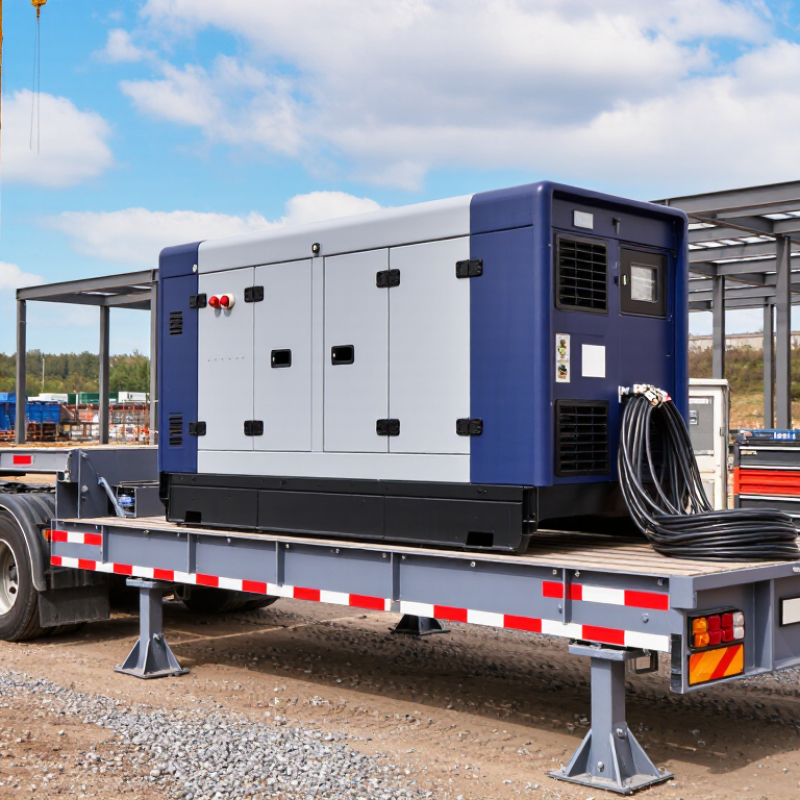
What Is a Trailer Generator and How Does It Work? The answer begins with mobility. A Trailer Generator combines an engine, alternator, fuel system, control panel, and towable chassis. It can deliver electricity at construction sites, outdoor events, emergency work areas, and remote facilities.

Amy Davis, President of Cummins Power Systems, describes the central purpose clearly: “Power matters most when it is available where and when people need it.” This idea explains why trailer-mounted systems remain valuable. A diesel engine turns mechanical energy into rotation. The alternator converts that rotation into electrical power. The control panel regulates output, monitors temperature, and warns operators about overloads or low oil pressure.

Picture the equipment arriving behind a service truck. Steel supports carry the generator. A trailer axle absorbs road movement. Stabilizing jacks help keep the unit level. Thick cables then connect the generator to temporary distribution equipment or approved building connections.

The process sounds simple.

It is not always simple.

Choosing the wrong generator size can waste fuel or damage sensitive equipment. A unit rated for light tools may struggle with pumps, heaters, compressors, or medical systems. Noise, ventilation, grounding, weather protection, and towing limits also deserve careful attention. These details are sometimes treated as minor. They should not be.

A reliable explanation must admit one limitation: generator performance changes with altitude, temperature, maintenance, and electrical load. Therefore, understanding how a Trailer Generator works is only the beginning. Safe operation also requires accurate load calculations, proper inspection, and trained supervision. The machine creates portable power, but good planning makes that power dependable.
What Is a Trailer Generator and How Does It Work?

What Is a Trailer Generator?

A trailer generator is a mobile electrical generator built on a towable frame. It combines an engine, alternator, fuel system, control panel, and protective housing. A trailer hitch and axle let a suitable vehicle move it between work areas. These units support construction sites, outdoor events, emergency repairs, and temporary facilities.

The engine burns fuel and turns a shaft connected to the alternator. The alternator converts that mechanical motion into electrical energy. A voltage regulator helps maintain stable output for connected equipment. Operators usually connect cables through outlets or distribution panels. Grounding, ventilation, and correct cable sizing remain essential during setup. Never place the unit inside a closed building.

In practice, technicians inspect tires, hitch connections, oil levels, fuel lines, and warning lights before operation. They also compare the generator’s rated output with the equipment’s starting demand. Motors may need much more power during startup. That detail is easy to miss. A trailer generator is not simply a larger portable generator. Its weight, noise, exhaust, and towing requirements affect every placement decision. The term can also be confusing because some units power trailers, while others are generators mounted on trailers. Checking the specifications prevents expensive mistakes. Regular maintenance records improve reliability, although even a well-serviced unit can fail under extreme heat, dust, or overload.

Key Components of a Trailer Generator

A trailer generator is a mobile power system mounted on a towable frame. It converts fuel energy into electricity for construction sites, outdoor events, emergency repairs, and temporary facilities. Its main parts work together inside a compact, weather-resistant enclosure. However, the generator is only as reliable as its weakest component.

The engine provides mechanical power by turning the alternator. The alternator then produces electrical current through controlled magnetic movement. A fuel tank, fuel lines, filters, and an injection system support steady engine operation.

The control panel monitors voltage, frequency, engine temperature, oil pressure, and operating hours. Small readings matter. A sudden voltage change may indicate overload, poor connections, or a failing component.

The transfer switch directs power safely between the generator and connected equipment. It prevents conflicting power sources from operating together. Heavy cables carry current, while grounding equipment helps reduce electrical risks. The radiator and cooling fan remove heat, and the exhaust system carries combustion gases away from the enclosure.

A strong frame supports the load during transport, although vibration can loosen fasteners over time. Regular inspections should include tire condition, fluid levels, battery terminals, cable insulation, and emergency shutdown controls.

In practical use, clean airflow is often overlooked. Dusty filters can increase heat, fuel use, and engine stress. No trailer generator is maintenance-free.

How a Trailer Generator Produces Electricity

What Is a Trailer Generator and How Does It Work?

A trailer generator is a mobile power system mounted on a towable frame. It can serve construction sites, outdoor events, emergency repairs, and temporary facilities. Most units use a diesel engine, alternator, fuel tank, control panel, and protective enclosure. Some newer systems combine an engine with batteries, which can reduce fuel use during light loads.

The engine burns fuel and creates rotational force. That force spins the alternator’s rotor inside a magnetic field. The alternator then produces alternating current for connected equipment. A voltage regulator adjusts output as electrical demand changes. If several tools start together, the generator briefly increases engine speed and fuel delivery. The process is practical, but never perfectly efficient.

The U.S. Energy Information Administration reports that diesel contains about 137,000 British thermal units per gallon. At roughly 35% electrical efficiency, one gallon could theoretically produce about 14 kilowatt-hours. Real output is lower because of heat, friction, idling, and transmission losses. The U.S. Department of Energy identifies load management as an important factor in generator performance. Running a large unit at very low demand can waste fuel. A smaller, correctly sized generator may perform better, though sizing errors remain common. Operators should check voltage, frequency, grounding, ventilation, and maintenance records before connecting equipment. A quiet control panel does not always mean a healthy machine.

What Is a Trailer Generator and How Does It Work? — How a Trailer Generator Produces Electricity
System Element Typical Specification or Range Function in Electricity Production Relevant Operating Information
Trailer Platform Towable steel frame with road-rated wheels Supports and transports the engine, alternator, fuel system, controls, and protective enclosure. A level, stable setup helps reduce vibration and improves safe operation.
Prime Mover Internal-combustion diesel or gasoline engine Converts the chemical energy in fuel into mechanical rotational energy. Diesel engines are commonly used for larger continuous-duty applications because of their durability and fuel efficiency.
Alternator Three-phase synchronous generator, commonly 10–500 kVA Uses electromagnetic induction to convert shaft rotation into alternating electrical current. The engine rotates the alternator rotor, creating a changing magnetic field inside the stator windings.
Typical Rated Output Approximately 8–400 kW for many portable trailer units Defines the electrical load the generator can supply under specified operating conditions. The usable output depends on the generator rating, ambient conditions, power factor, and duty cycle.
Output Voltage Commonly 120/240 V single-phase or 208/480 V three-phase Delivers electricity at a voltage suitable for temporary facilities, tools, pumps, and distribution equipment. Voltage selection should match the connected equipment and the distribution system.
Frequency 50 Hz or 60 Hz Determines how quickly the alternating current completes its cycles. The engine speed and alternator design work together to maintain the required frequency.
Voltage Regulator Automatic voltage regulation system Adjusts excitation in the alternator to keep output voltage within an acceptable range as loads change. Stable voltage helps protect sensitive electrical equipment from excessive fluctuations.
Control Panel Digital or electromechanical monitoring and control interface Starts and stops the unit and displays voltage, frequency, current, power, engine speed, and fault conditions. Many systems include automatic shutdown protection for low oil pressure, high coolant temperature, and overspeed.
Fuel Tank Approximately 100–2,000 L, depending on generator size Stores fuel for the engine during temporary or remote operation. Operating time varies with tank capacity, electrical load, engine efficiency, and fuel type.
Typical Fuel Consumption About 0.24–0.32 L per kWh for many diesel units Represents the fuel required to produce one kilowatt-hour of electrical energy under typical conditions. Fuel consumption is generally lower near the rated load than during very light-load operation.
Cooling System Radiator, fan, coolant, and airflow system Removes heat produced by combustion and electrical conversion to maintain safe operating temperatures. Adequate ventilation is essential, especially when the trailer generator operates near buildings or in enclosed areas.
Exhaust System Muffler, exhaust piping, and heat shielding Directs combustion gases away from the engine and reduces noise produced by exhaust pulses. Exhaust must never be routed into occupied or poorly ventilated spaces because it can contain carbon monoxide.
Protective Enclosure Weather-resistant acoustic or standard steel enclosure Protects internal components from weather, debris, and accidental contact while helping reduce operating noise. Access panels should remain closed during operation unless maintenance procedures require otherwise.
Circuit Breakers Thermal-magnetic or electronic protection devices Interrupt the electrical supply when current exceeds safe limits or a short circuit occurs. The connected cables and distribution equipment must be rated for the generator's maximum output.
Grounding and Bonding Grounding terminal, bonded frame, and approved earthing arrangement Provides a controlled path for fault current and helps reduce the risk of electric shock. Grounding requirements depend on the local electrical code, site conditions, and connection method.
Load Connection Cam-lock connectors, terminal blocks, receptacles, or distribution cables Transfers generated electricity from the alternator to temporary power systems and connected loads. Loads should be connected gradually to limit starting surges from motors, compressors, and pumps.
Basic Operating Sequence Inspect → position → ground → start → stabilize → connect loads Coordinates mechanical rotation, electromagnetic generation, voltage regulation, and safe power delivery. The unit should be stopped and isolated before refueling, servicing, or moving the trailer.

How to Set Up and Operate a Trailer Generator

What Is a Trailer Generator and How Does It Work?

Setting up a trailer generator begins with choosing firm, level ground away from doors, windows, and flammable materials. Park the trailer securely, apply its brakes, and place wheel chocks beneath the wheels. Keep it level. Check the tires, hitch, cables, fuel lines, oil level, and visible damage before starting. The exhaust must point away from occupied areas, because carbon monoxide has no smell and can become dangerous quickly.

Connect the grounding system according to the operator’s manual and local electrical requirements. A qualified electrician should install any transfer equipment. Never connect a generator directly to a building outlet. That can cause backfeeding and seriously injure utility workers. Use cables with the correct rating, inspect their insulation, and keep connections dry. I still find the cable check easy to overlook. Small details matter.

Start the generator with all circuit breakers off and no equipment connected. Let the engine run briefly, then switch on loads gradually. Large motors may need extra starting power, so avoid turning everything on together. Watch the control panel for voltage, frequency, warning lights, and unusual sounds. Stop immediately if you notice smoke, fuel leakage, or unstable operation. During use, keep the enclosure closed and maintain clear airflow around the radiator. Shut down heavy equipment first, allow the engine to cool, then turn off the generator. Record operating hours for servicing, even if the last run seemed uneventful.

Safety, Maintenance, and Practical Applications

A trailer generator is a portable power system mounted on a towable frame. It converts fuel energy into electrical power through an engine and alternator. The engine drives the alternator, while a control panel distributes electricity to connected equipment. Its trailer design makes temporary power easier to move between work areas.

Safety starts before the generator moves. Park it on firm, level ground, then secure the wheels and frame. Keep the exhaust outlet away from doors, windows, and crowded areas. Carbon monoxide is invisible and dangerous. Never operate the unit in an enclosed space. Use grounded cables rated for the expected load, and avoid wet connections. An overload can damage tools or cause overheating. Follow the manual, but do not rely on memory alone.

Maintenance depends on working conditions. Check oil, coolant, fuel lines, tire pressure, and cable insulation before each trip. Remove dust from air vents and inspect the exhaust system for cracks. Change filters and fluids at the recommended intervals. A loose terminal can create heat. I have seen small defects become expensive failures. Still, inspection can miss hidden wear. A qualified technician should test electrical protection and engine controls regularly.

Trailer generators support construction sites, outdoor events, emergency repairs, farms, and remote communication stations. They can run lighting, pumps, heaters, and essential tools when fixed power is unavailable. At a worksite, place the unit away from pedestrian routes and protect cables with ramps. During storms, keep the control panel dry and reassess the ground frequently. Practical planning is not always perfect. A written load list helps prevent hurried decisions.

What Is a Trailer Generator and How Does It Work?

A trailer generator combines an internal-combustion engine, an alternator, a fuel system, and a control panel to produce electrical power where utility electricity is unavailable. The chart below shows representative running and starting power requirements for common loads that may be supplied by a portable trailer generator. Actual values vary by equipment model and operating conditions.

Practical application: Generator sizing should consider both continuous running watts and the temporary surge watts required when motor-driven equipment starts. Keep the total demand below the generator's rated output, use properly rated cables, provide ventilation, and follow the manufacturer's inspection and maintenance schedule.