
hero image

2026 Top Double Eccentric Butterfly Valve Suppliers?

Choosing reliable suppliers for the 2026 Top Double Eccentric butterfly valve Suppliers list requires more than comparing catalog prices. Industrial buyers need evidence from real applications, verified specifications, and responsive technical support. A dependable manufacturer should explain valve design, material selection, pressure ratings, and sealing performance clearly. These details matter in water treatment, chemical processing, power generation, and large pipeline systems.

This guide examines suppliers associated with Double Eccentic butterfly valves and related industrial flow-control solutions. It considers manufacturing experience, production capacity, inspection procedures, certifications, and delivery performance. Practical factors also receive attention, including disc alignment, seat durability, actuator compatibility, and maintenance access. Small details matter. A poorly matched seat can create leakage, downtime, and unexpected replacement costs.

Supplier claims still require careful checking. A polished website does not prove long-term field reliability. Buyers should request test reports, dimensional drawings, reference projects, and traceable material records. Factory audits can reveal more than promotional language. Service quality also deserves direct discussion, especially when valves operate in remote facilities or harsh environments. Even a strong supplier may have limitations in customization, lead time, or regional support. That is worth admitting. The ranking should therefore remain practical, transparent, and open to revision as verified 2026 data becomes available. This approach supports more confident purchasing decisions while respecting engineering requirements, compliance duties, and total lifecycle value.
2026 Top Double Eccentric Butterfly Valve Suppliers?

What Is a Double Eccentric Butterfly Valve?

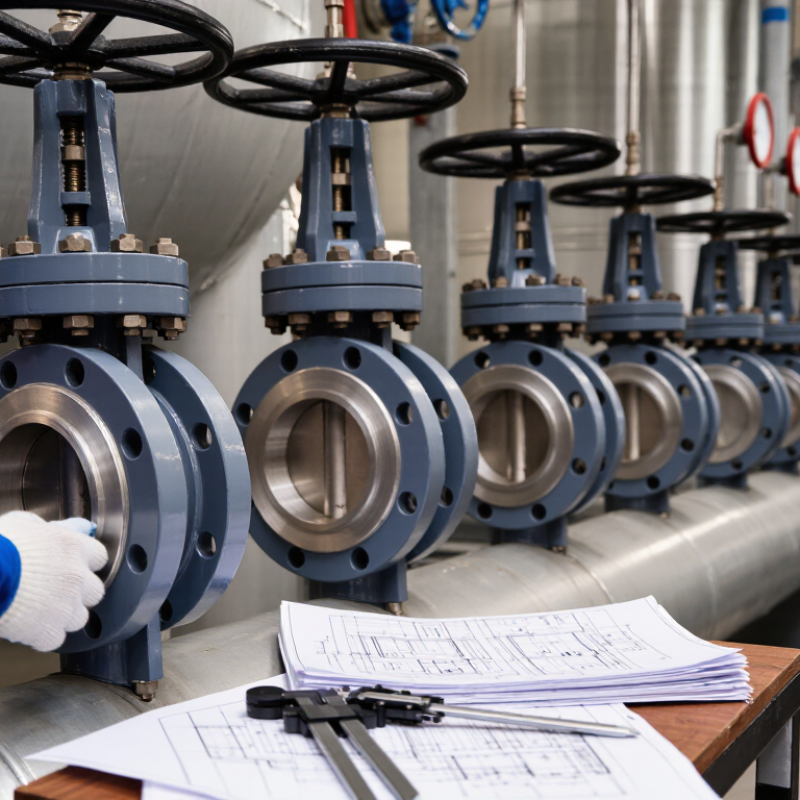
A double eccentric butterfly valve has two offset shafts. The shaft sits behind the disc centerline and slightly away from the pipe center. This geometry reduces disc contact with the seat during opening. Friction drops, and the sealing surface usually lasts longer. When the valve closes, the disc moves into the seat near the final rotation. This creates a tight shutoff for water, air, and many process fluids.

In field applications, operators often notice smoother movement and lower actuator demand. The design also supports larger pipelines where compact equipment matters. However, performance depends on correct sizing, seat materials, pressure rating, and installation alignment. A valve may look suitable on paper but perform poorly with abrasive media or unsuitable temperatures. My practical view is simple: offset geometry helps, but it cannot correct weak specifications or careless maintenance. No valve is perfect.

Tips: Check the flow direction, operating temperature, and pressure before selection. Confirm that the disc, shaft, and seat materials match the medium. Inspect flange alignment before tightening bolts. Uneven loading can damage the seat. Test the actuator through its full travel after installation. If possible, record torque and leakage results during commissioning. These details provide useful evidence when future maintenance decisions become uncertain.

How Double Eccentric Butterfly Valves Work

A double eccentric butterfly valve controls flow with a circular disc mounted inside a pipe. Its shaft sits off-center from both the pipe centerline and the disc centerline. This offset changes how the disc contacts the seat. During opening, the disc moves away from the seat quickly, reducing rubbing and wear. During closing, the disc approaches the seat and creates a tight shutoff near the final rotation.

In practical installations, this design can lower operating torque compared with a concentric valve. Lower torque may allow a smaller actuator, but sizing still depends on pressure, temperature, fluid density, and cycling frequency. Field technicians should check shaft alignment, flange condition, and seat damage before blaming the valve. Small installation errors matter. A scratched flange can cause leakage.

Reliable suppliers should provide pressure-test records, material certificates, dimensional drawings, and clear maintenance instructions. Engineers often compare sealing materials against the actual medium, not only the catalog temperature range. This step is easy to overlook. A valve may perform well in clean water but react differently with abrasive slurry or chemically active fluids. Double eccentric construction improves durability, yet it is not maintenance-free. Periodic inspection remains necessary, especially after repeated thermal cycles or unexpected pressure surges.

Key Criteria for Evaluating Suppliers in 2026

2026 Top Double Eccentric Butterfly Valve Suppliers?

Key Criteria for Evaluating Suppliers in 2026

Choosing a double eccentric butterfly valve supplier requires more than comparing prices. Field experience matters. Review proven applications, operating pressures, temperatures, and media conditions. Ask for documented torque calculations and seat leakage results. Reliable suppliers should provide material certificates, dimensional drawings, and traceable inspection records. Their engineers should explain how disc design, shaft alignment, and sealing materials affect service life.

Supplier evaluation should also include manufacturing control and after-sales support. Request factory audit access, test procedures, calibration records, and realistic delivery schedules. Check whether replacement seals and technical assistance remain available after installation. Independent inspection can confirm coating thickness, pressure testing, and actuator performance. A clear warranty helps, but it cannot replace strong quality systems. No supplier is perfect. A polished brochure may still hide weak documentation or slow technical responses.

Tips: Build a comparison sheet with identical questions. Score quality, testing, delivery, support, and total lifecycle cost. Speak with recent users, not only supplied references. Visit the production site when project risk is high. Small details matter. A missing certificate today may become a costly delay later. Keep room for reassessment, because specifications and supply conditions can change during 2026.

2026 Top Double Eccentric Butterfly Valve Suppliers? - Key Criteria for Evaluating Suppliers in 2026

Evaluation Dimension Recommended 2026 Benchmark Evidence to Request Suggested Weight
Applicable Design Standard Valve design and construction aligned with API 609, EN 593, or an equivalent internationally recognized standard. Current design standard declaration, technical datasheet, and third-party certification where applicable. 12%
Pressure Rating Coverage A documented range covering common flange ratings such as PN 10, PN 16, Class 150, or higher where required by the project. Pressure-temperature tables, shell-test pressure, seat-test pressure, and rating limitations. 10%
Valve Size Range Availability across the required nominal diameter range, commonly DN 50 to DN 1200 or project-specific sizes. Dimensional drawings, face-to-face dimensions, mass data, and available size schedule. 7%
Double-Eccentric Performance The disc stem axis is offset from the pipe centerline and the sealing axis, reducing rubbing during opening and closing. Cross-sectional drawing, operating-torque curve, seat-design description, and cycle-test results. 10%
Leakage Control Seat leakage tested according to ISO 5208, API 598, or the project-specified acceptance level; zero visible leakage may be required for resilient seats. Pressure-test procedure, test medium, duration, acceptance criteria, and sample test reports. 12%
Material Suitability Body, disc, stem, and seat materials selected for the fluid, pressure, temperature, corrosion exposure, and required service life. Material certificates, chemical-composition reports, hardness results, coating specification, and compatibility statement. 10%
Temperature Capability A published operating-temperature range matched to the selected seat and body materials; elastomer limits must be clearly stated. Temperature-pressure chart, seat-material data, low-temperature information, and thermal-cycle test records when required. 7%
Actuator Compatibility ISO 5211-compatible mounting interface or another documented interface, with actuator sizing based on breakaway, running, and seating torque. Mounting dimensions, torque curve, safety factor used for sizing, and actuator load calculations. 8%
Testing and Inspection Routine shell and seat testing completed for every valve, with additional inspection based on the service risk and purchase specification. Inspection and test plan, calibrated-equipment records, hydrostatic test reports, and nonconformance process. 9%
Traceability and Documentation Complete traceability from raw materials through assembly and final testing, with documentation delivered in the required format. Material certificates, serial-number register, drawings, operation manuals, certificates of conformity, and final data book. 6%
Manufacturing Capacity and Delivery Capacity demonstrated for the required volume, size range, customization, inspection plan, and confirmed production schedule. Production-load statement, realistic lead-time schedule, capacity evidence, and delivery-performance records. 4%
After-Sales and Lifecycle Support Documented warranty terms, spare-seat and stem availability, maintenance guidance, technical support, and failure-response procedure. Warranty conditions, spare-parts list, maintenance manual, service contacts, and response-time commitment. 5%
Total Suggested Evaluation Weight 100%

Note: Acceptance limits should be finalized against the project specification, fluid characteristics, applicable legislation, and the selected valve standard. The benchmark values above are intended for supplier prequalification and technical comparison rather than a universal product rating.

Leading Double Eccentric Butterfly Valve Suppliers in 2026

Leading Double Eccentric Butterfly Valve Suppliers in 2026

In 2026, reliable double eccentric butterfly valve suppliers offer more than catalog products. They provide application guidance, verified materials, and documented testing. Experienced suppliers should understand pipeline temperature, pressure, fluid type, and cycling frequency before recommending a valve. A valve for cooling water may need different sealing materials than one for abrasive slurry. Look for suppliers with proven project experience, qualified engineers, and traceable manufacturing records. Standards such as API 609, EN 593, and ISO 5211 can support consistent evaluation, but certificates alone do not prove field performance.

Tips: Ask for torque calculations, pressure-test reports, material certificates, and clear actuator specifications. Confirm whether the valve uses a resilient or metal seat. Check coating thickness and shaft protection for outdoor installations. Request references from similar operating environments. Small details matter. Installation support is also valuable, especially when alignment or actuator sizing is sensitive.

A dependable supplier communicates limitations honestly. No supplier is perfect. Some may offer shorter delivery times but less customization, while others provide stronger engineering support with longer production schedules. Review response quality, inspection procedures, spare-part availability, and warranty terms before signing a contract. Site visits and sample inspections can reveal workmanship that brochures hide. I would also question unusually low prices; they may reflect thinner materials, weaker testing, or incomplete documentation. Good purchasing decisions come from evidence, not promises.

Applications, Standards, and Purchasing Considerations

2026 Top Double Eccentric Butterfly Valve Suppliers?

Double eccentric butterfly valves suit pipelines that need reliable isolation with reduced disc-to-seat friction. They are common in water treatment, cooling systems, fire protection, power plants, and selected process lines. In field inspections, operators often value smooth quarter-turn operation and accessible maintenance. However, abrasive solids can still damage seats quickly. Application details matter more than a catalog label.

Standards provide a useful purchasing framework. Depending on the project, review API 609, EN 593, ISO 5752, and relevant ASME requirements. These documents address design, dimensions, pressure performance, and testing in different ways. Do not assume one standard covers every service condition. Confirm pressure class, temperature range, flow direction, face-to-face dimensions, and shutoff requirements. Seat materials should match the medium, especially with chlorine, seawater, hydrocarbons, or suspended particles.

A dependable supplier should provide material certificates, pressure-test records, torque data, and traceable inspection documents. Ask whether the valve has been tested at the specified pressure and temperature. Check actuator sizing under maximum differential pressure, not normal operating pressure. This is where many purchasing decisions become weak. Request coating details, shaft construction, disc material, spare-part availability, and documented quality controls. A supplier may appear competitive until delivery changes, drawings arrive late, or replacement seats become unavailable. Independent inspection can be worthwhile for critical services, although it adds cost and time. Be willing to question familiar assumptions.

Article Source: